BWCA · Northern Minnesota · 35mm & Digital
Boundary Waters BWCA Photography | Canoe Country Minnesota | 35mm Film & Digital
Boundary Waters
four days,
four people
It was always my goal to go to the Boundary Waters Canoe Area Wilderness (BWCAW) since my years at the University of Minnesota Duluth. It sat there on the edge of possibility, close enough to feel real, never quite happening. It took the right people to finally make it happen.
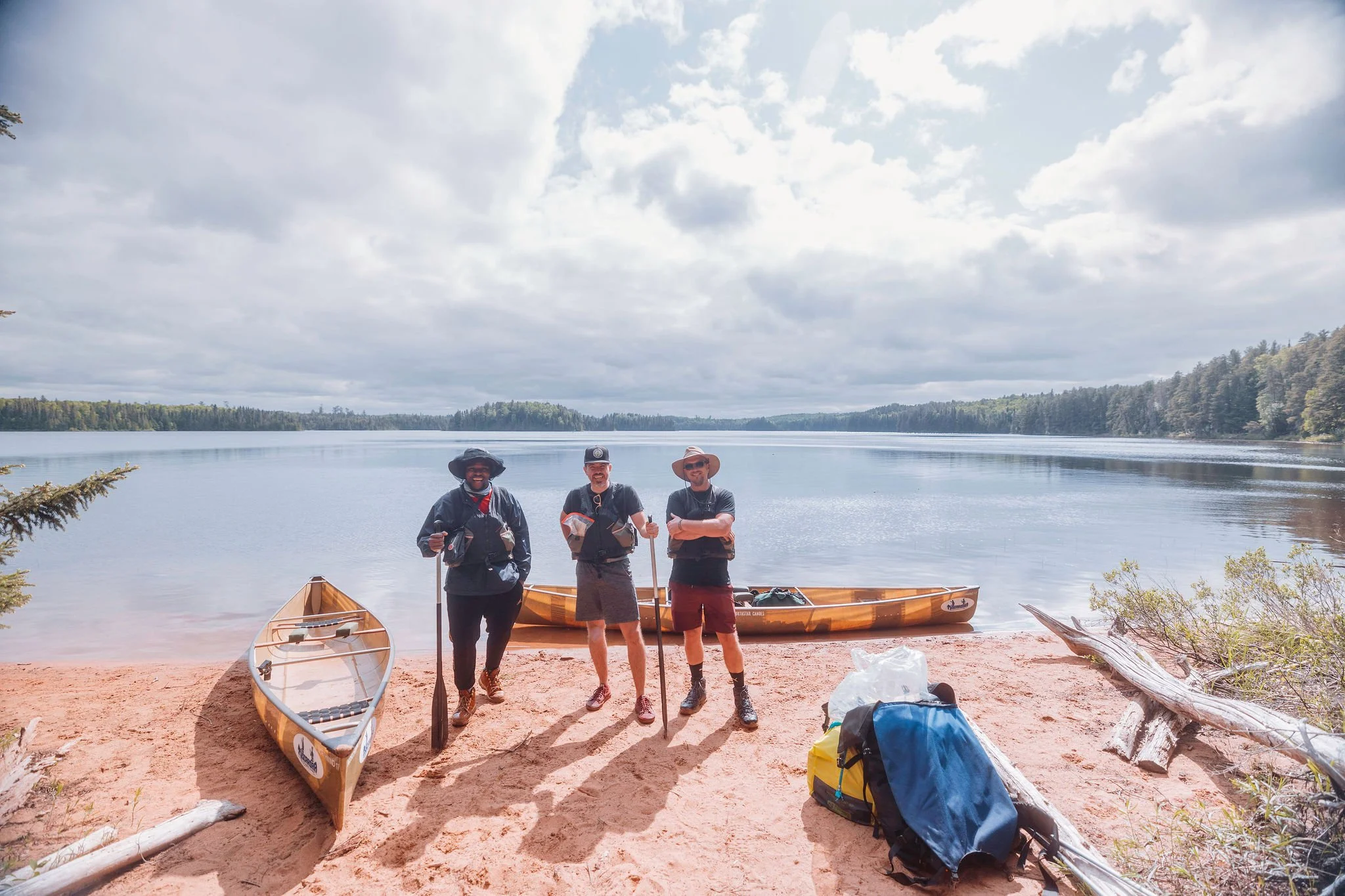
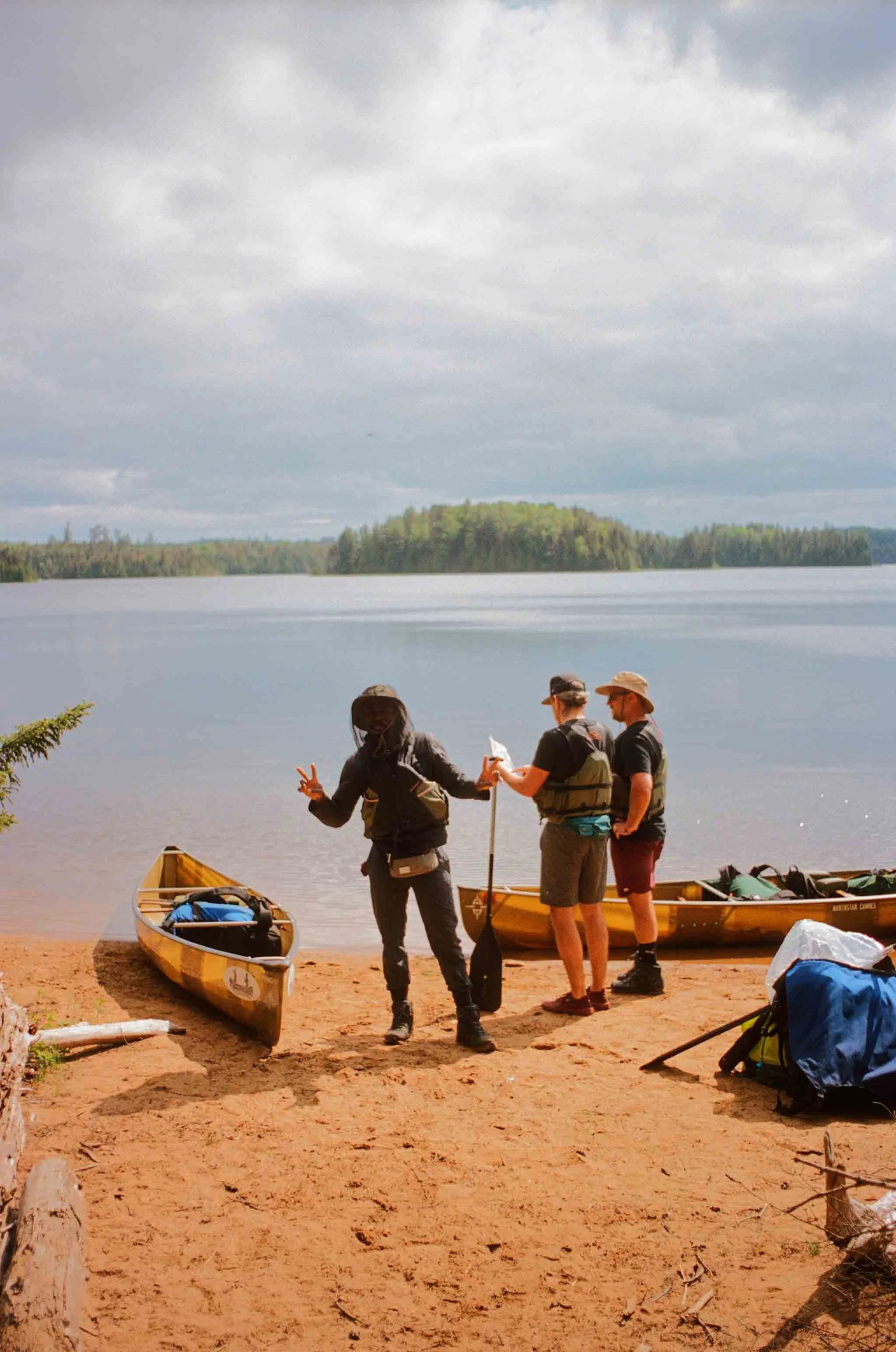
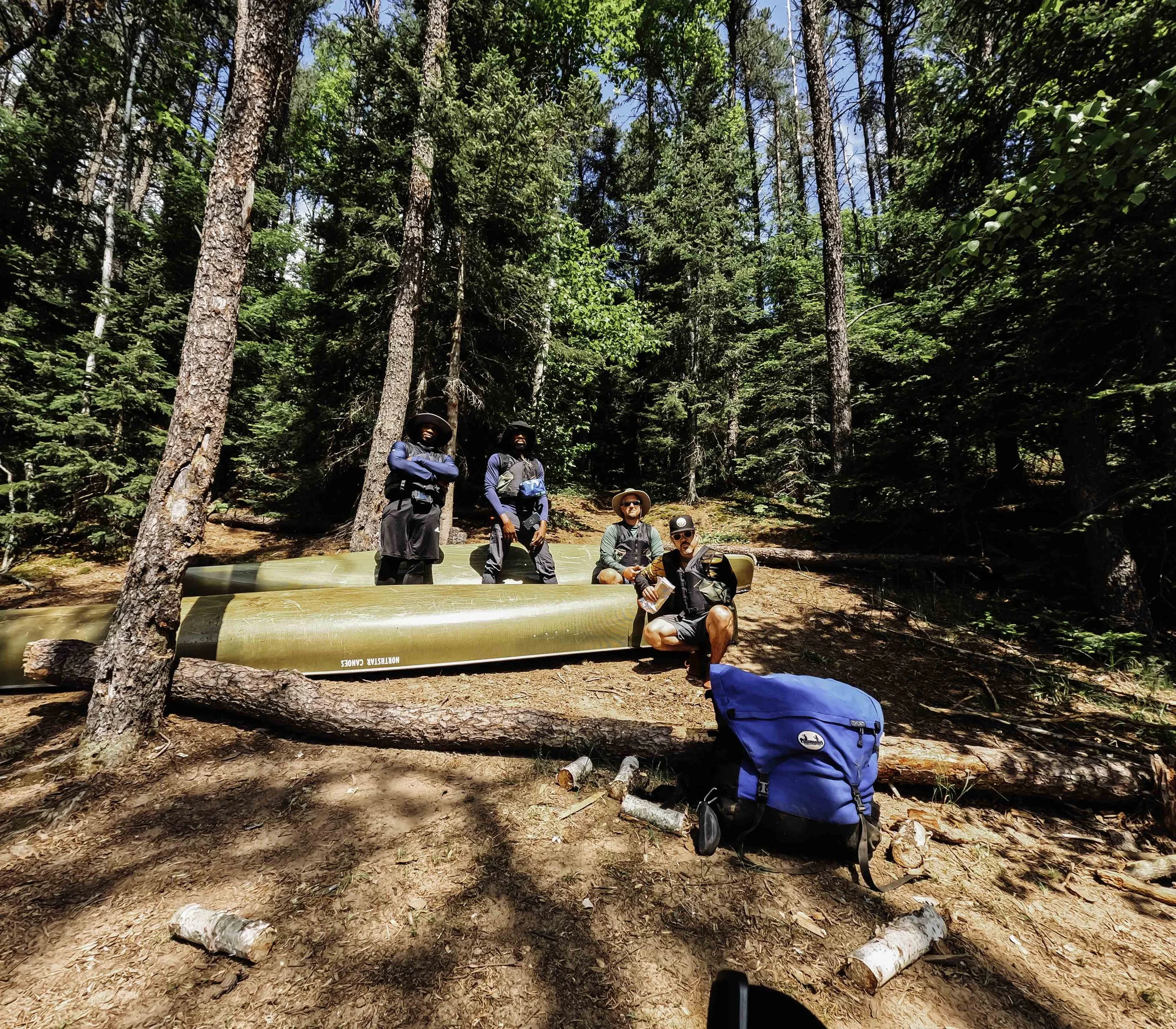
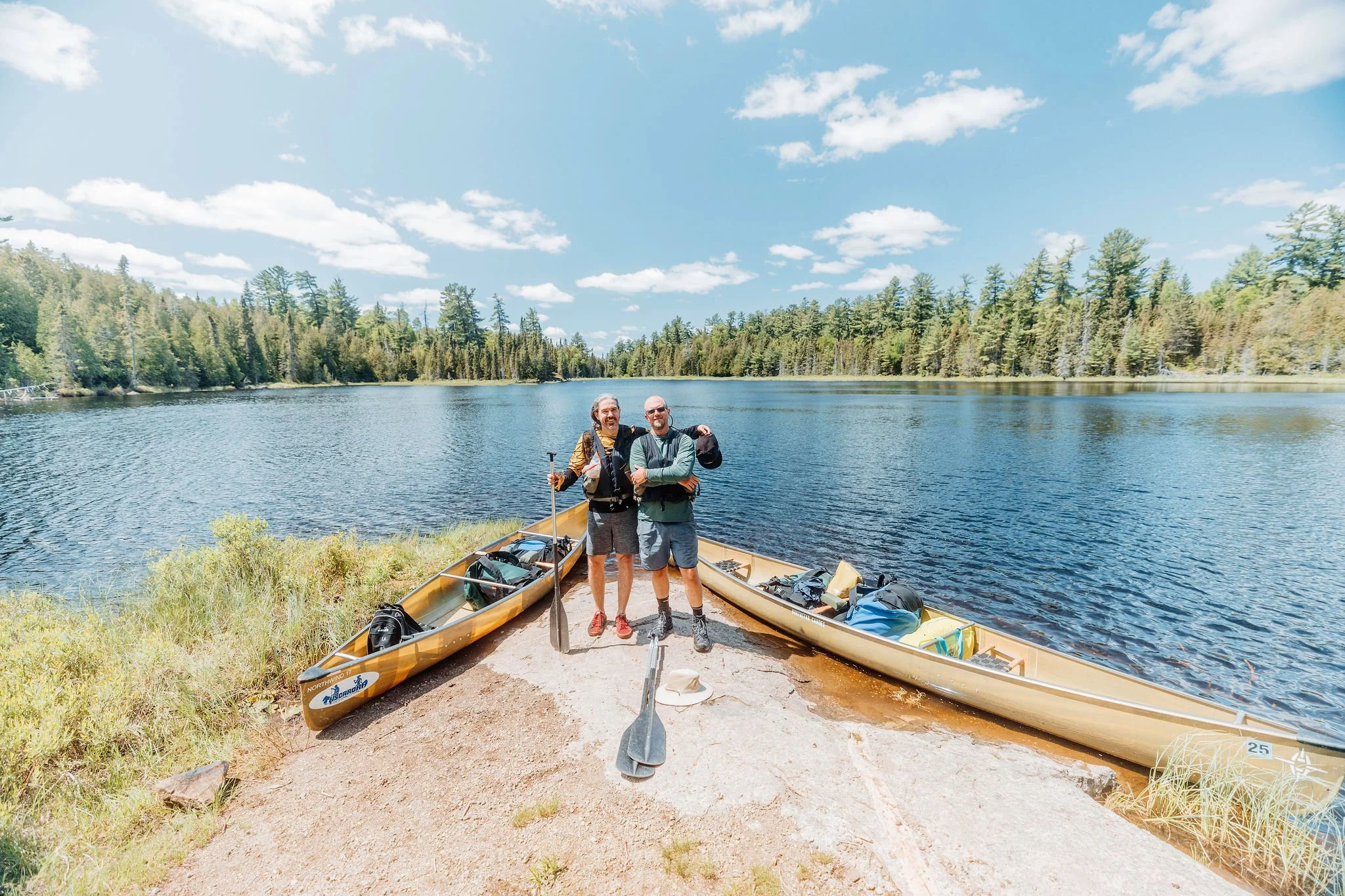
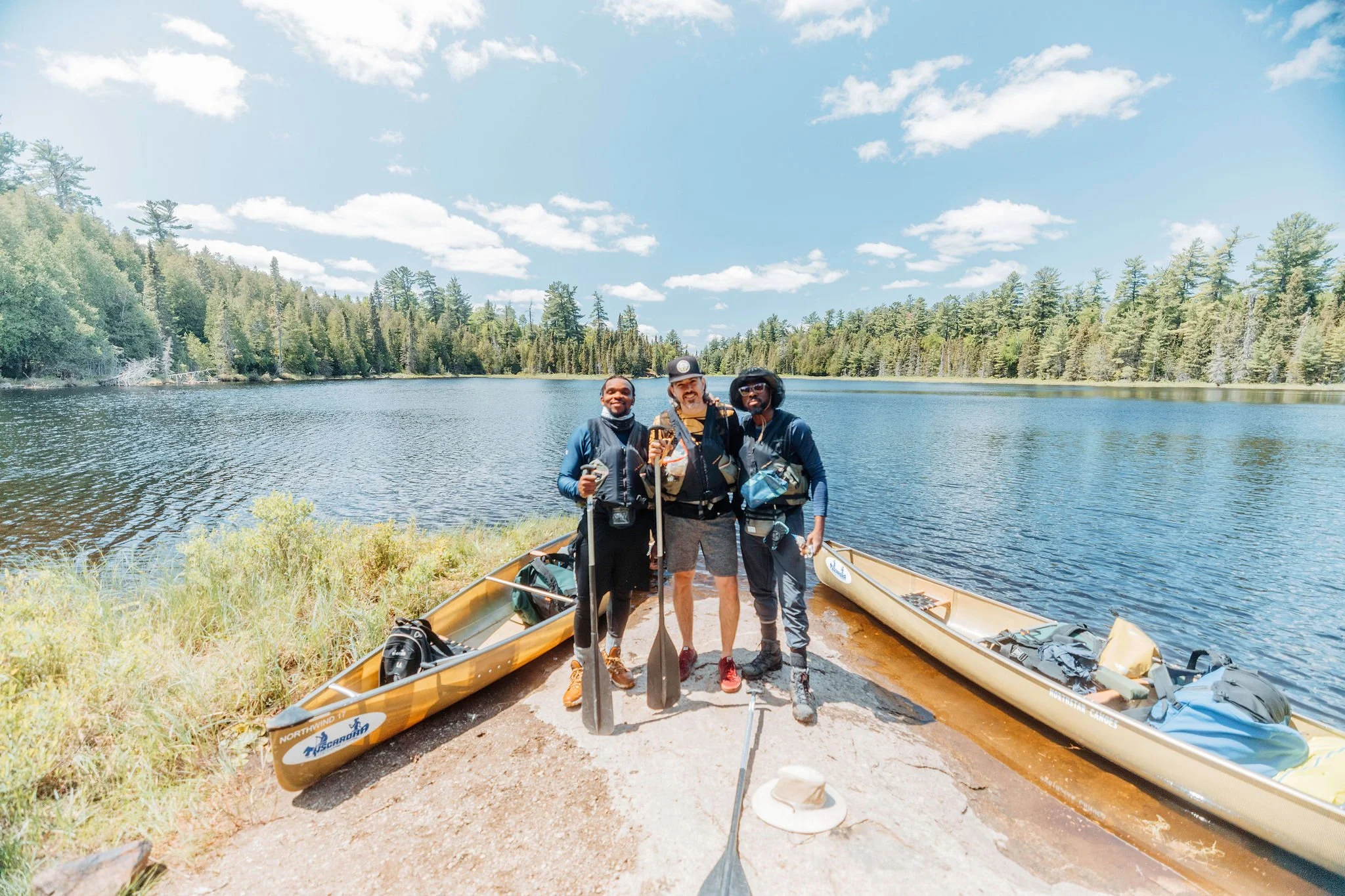
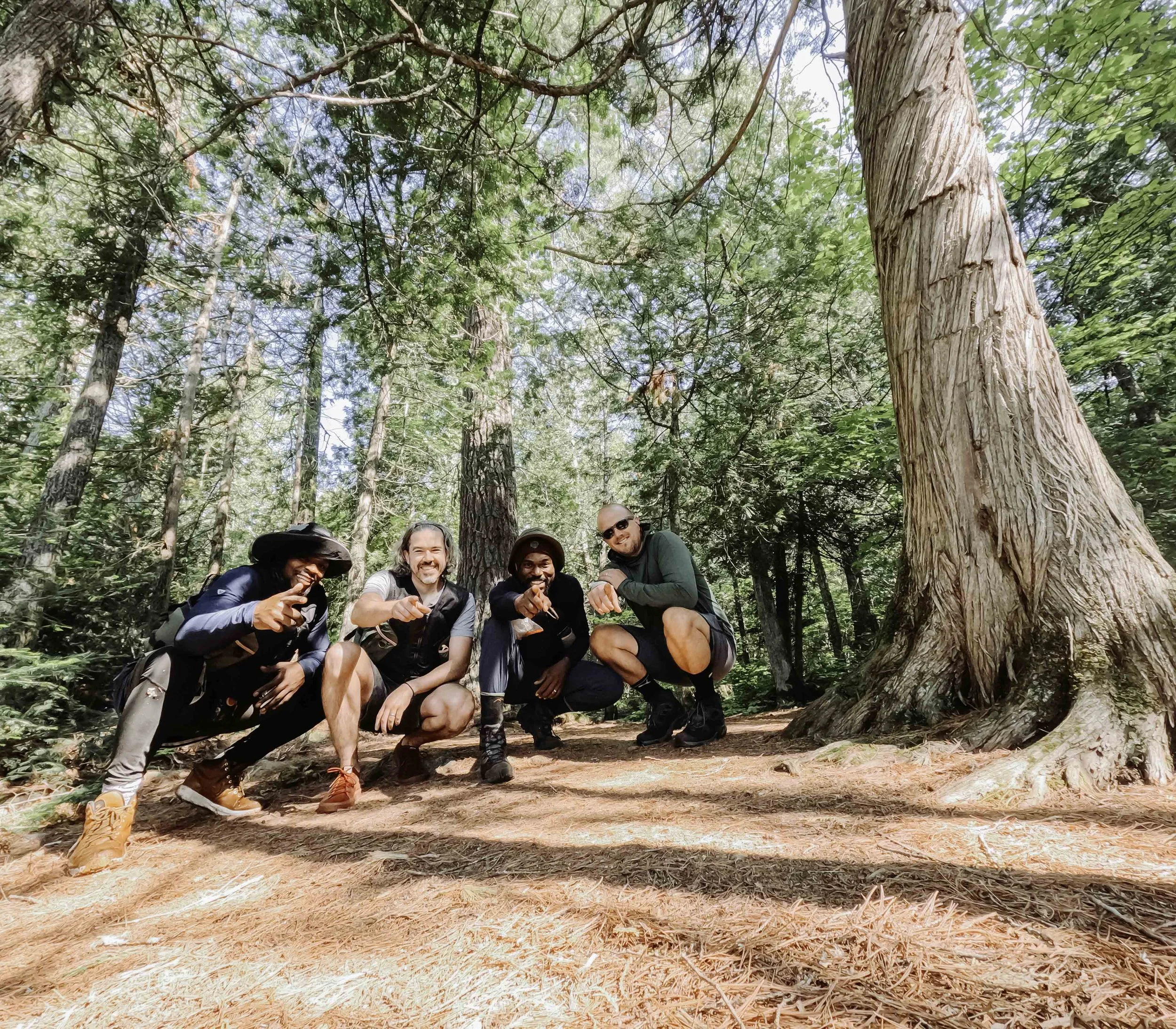
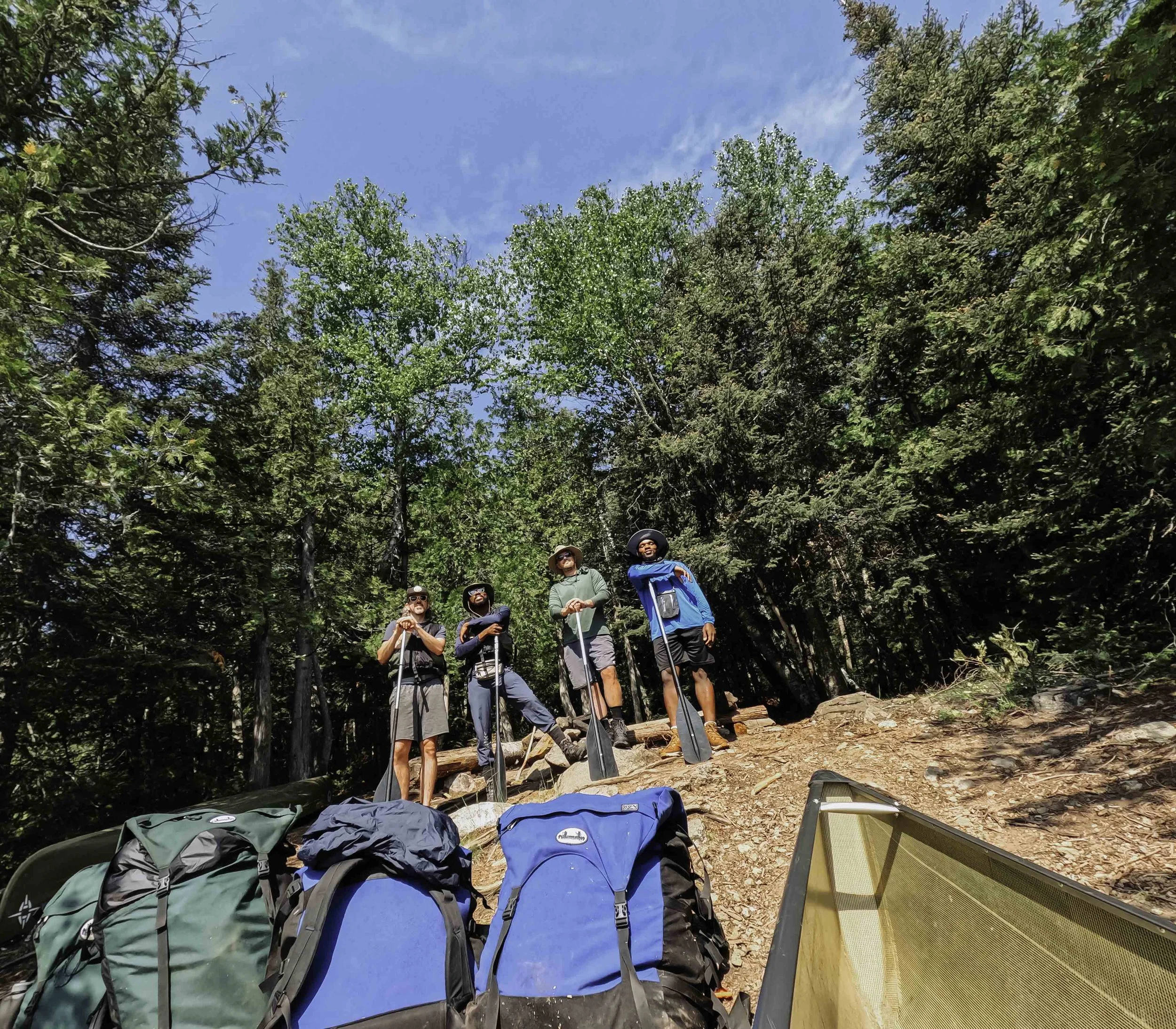
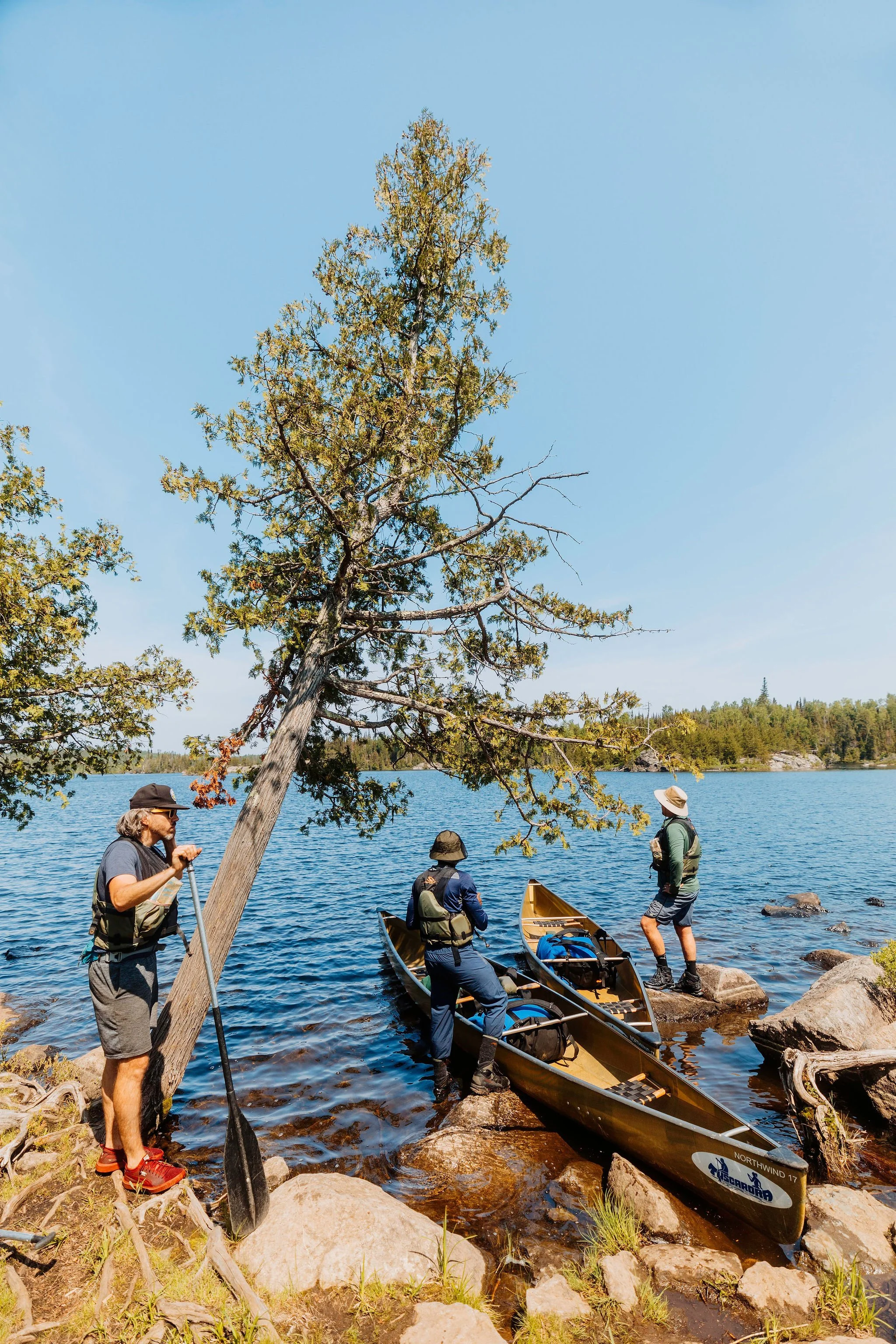
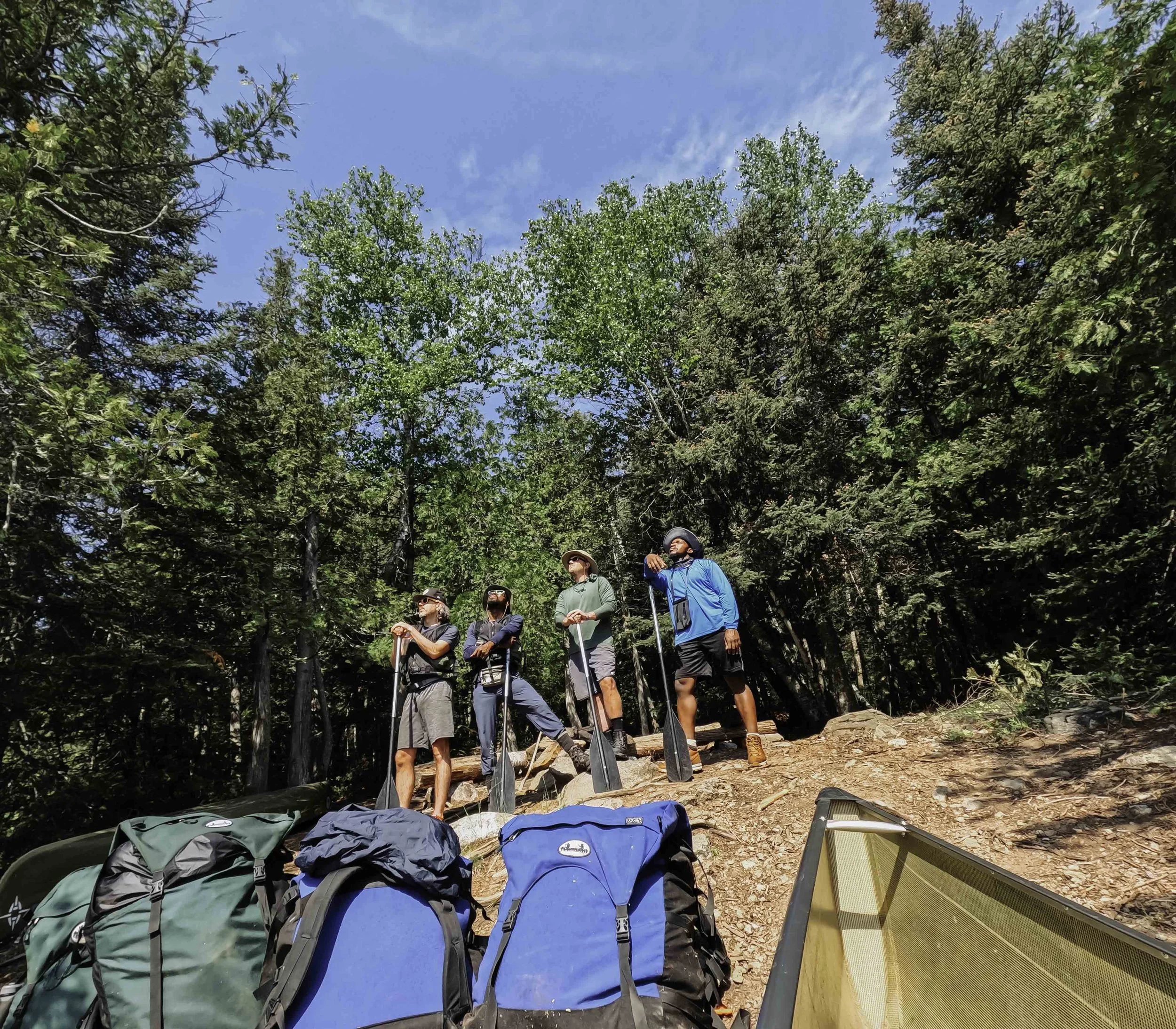
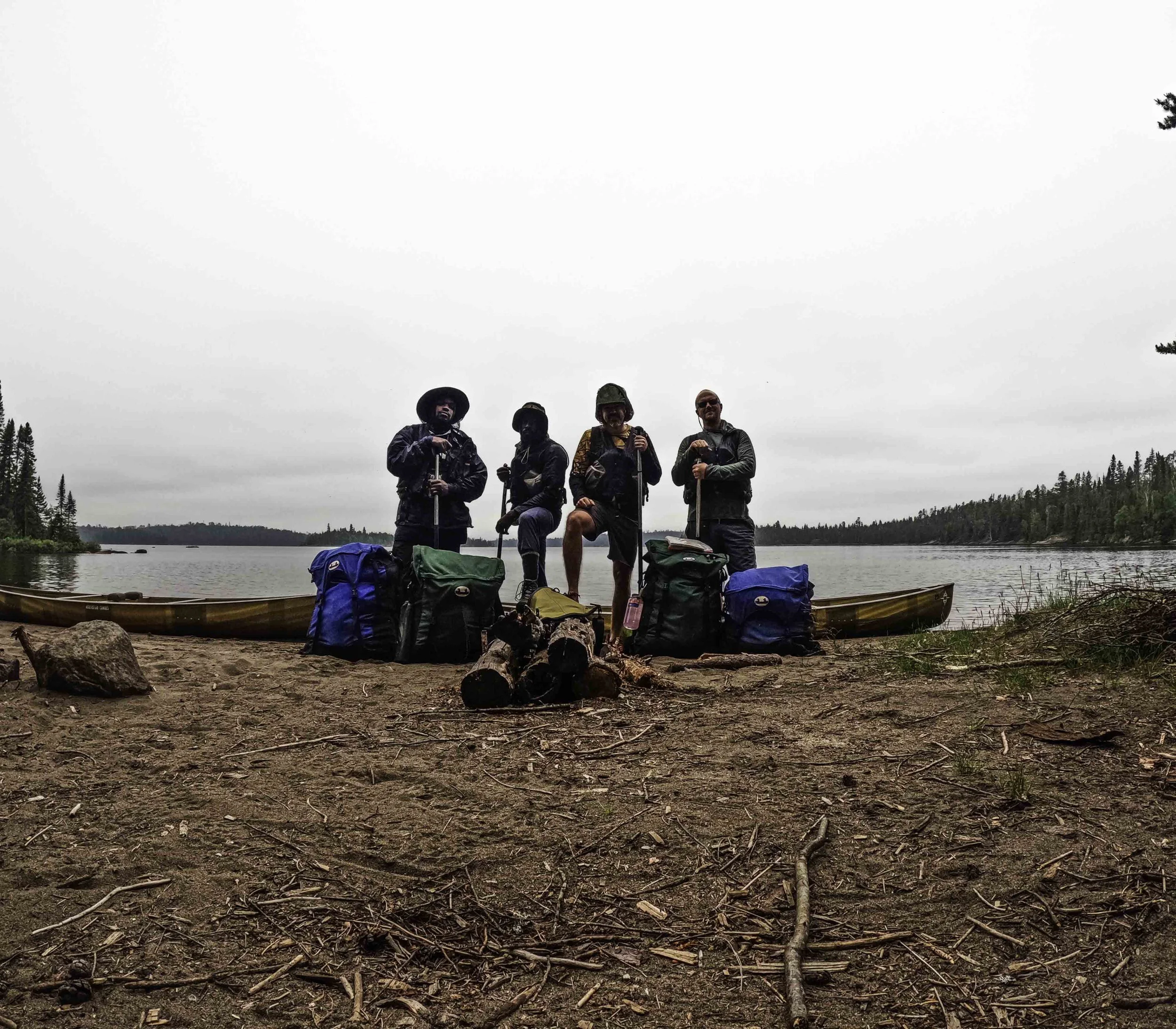
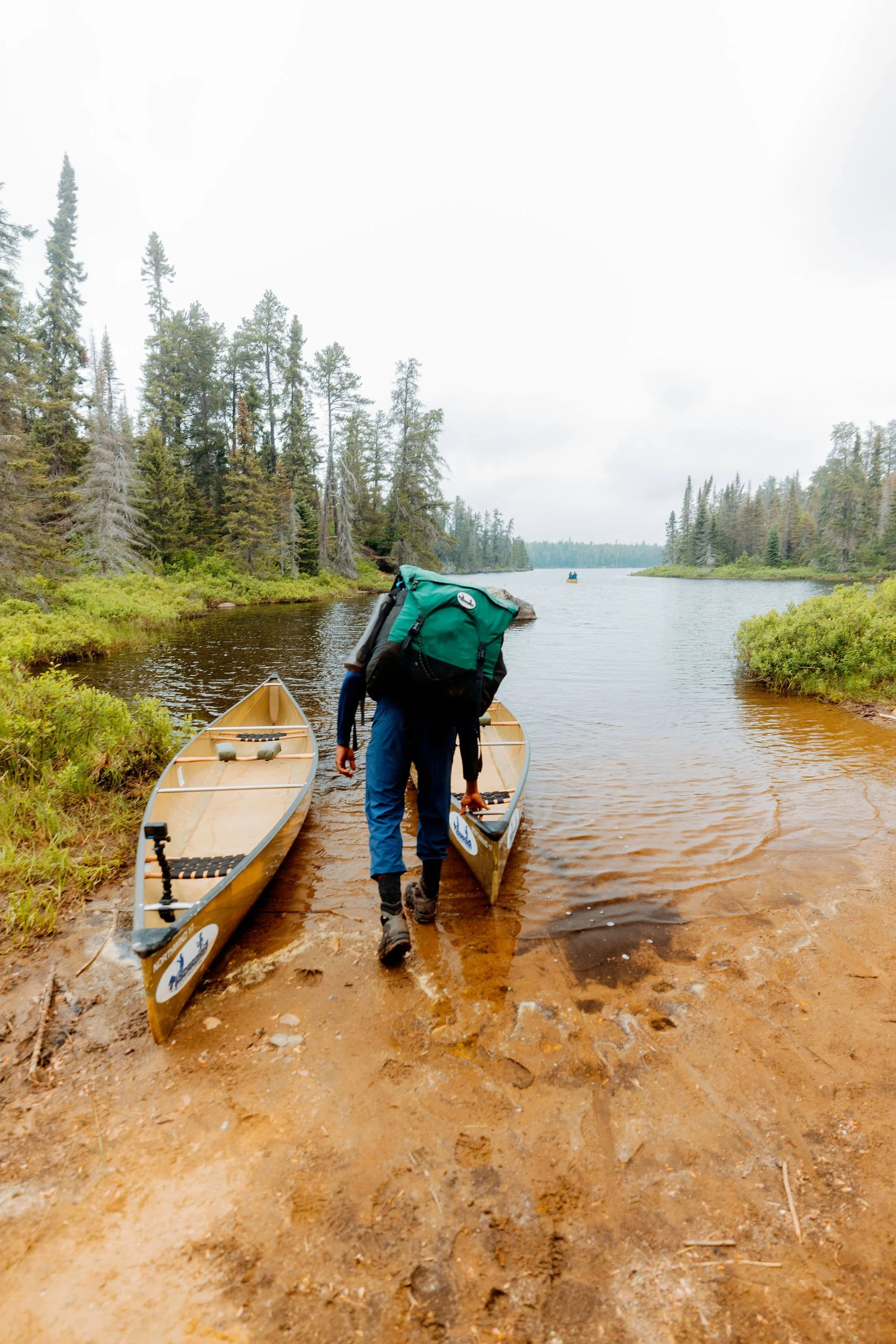
It was me, Daniel, Paul, and Corey. Me and Daniel were first-timers. Paul and Corey had been before, several times, and became our unofficial guides without ever making us feel like it. They knew what to carry, what to leave, and when to stop fighting the portage and just breathe.
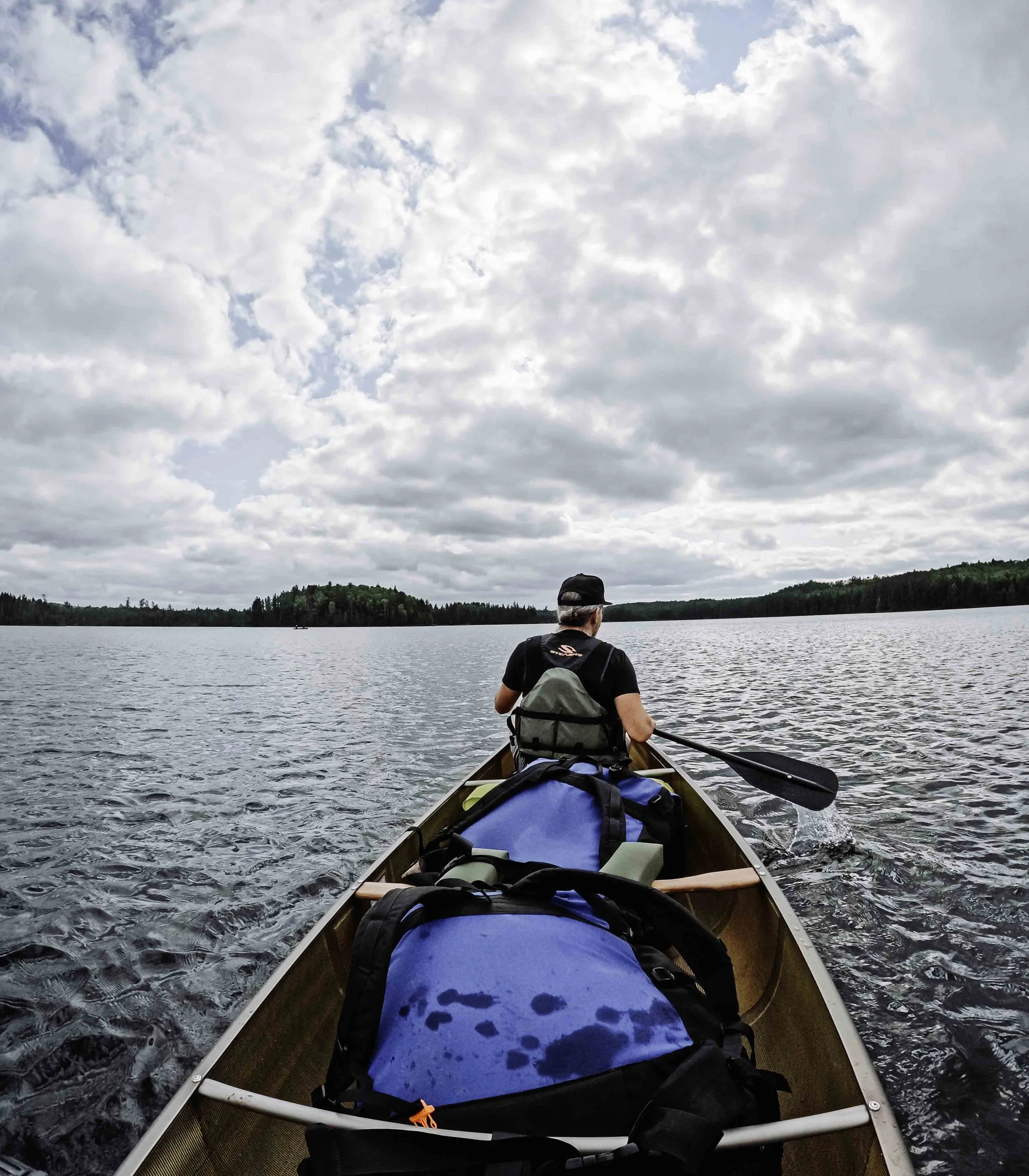
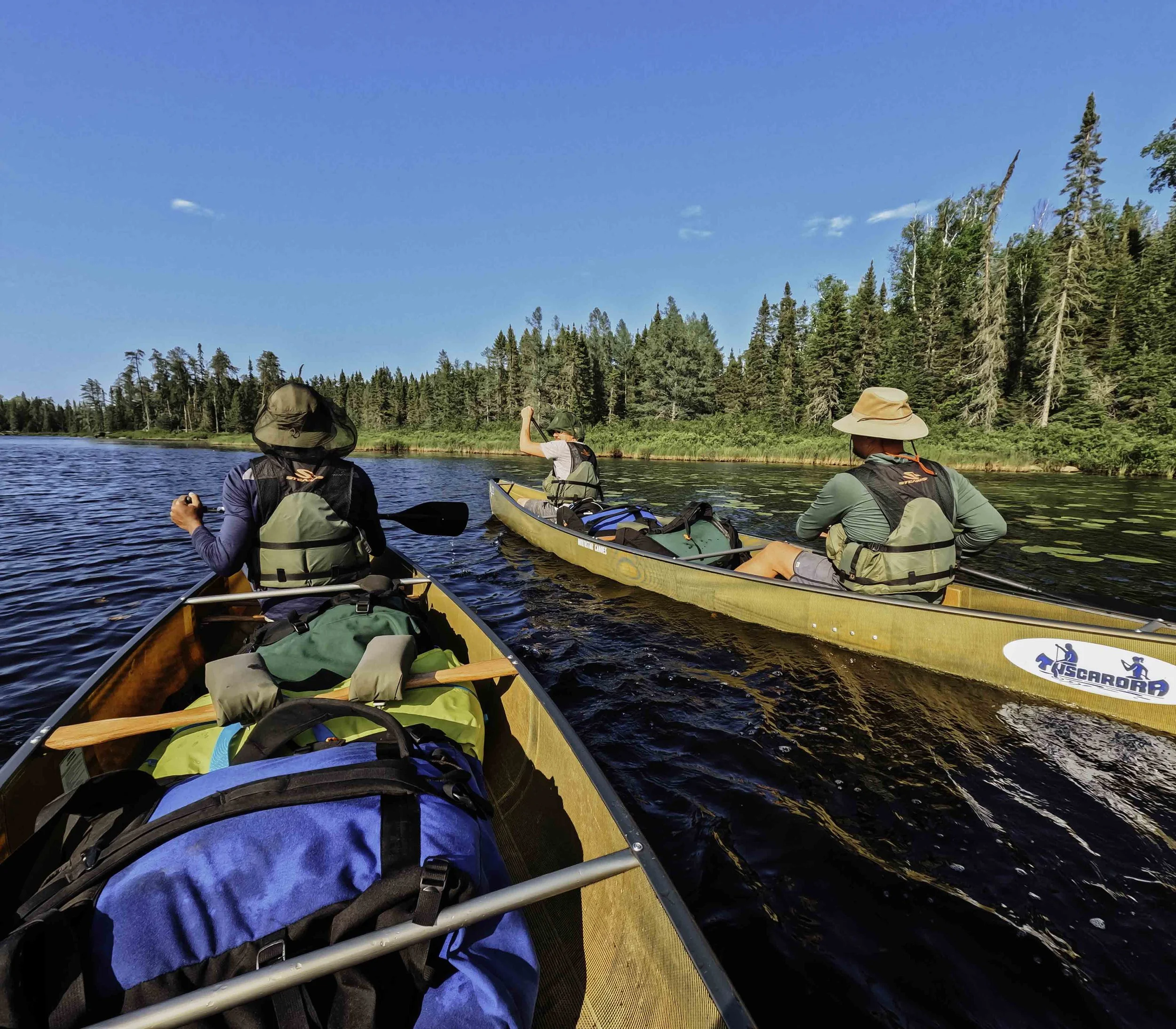
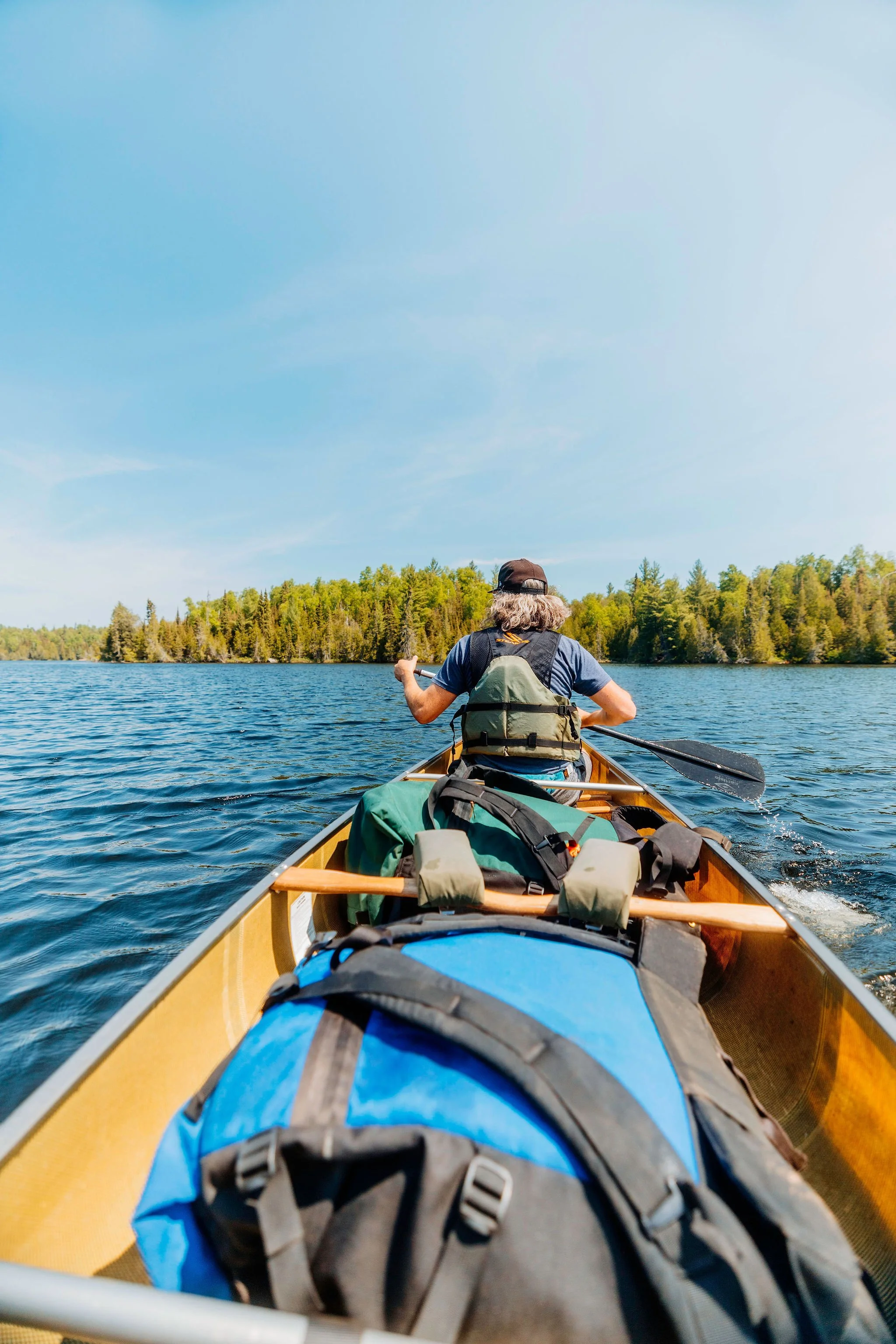
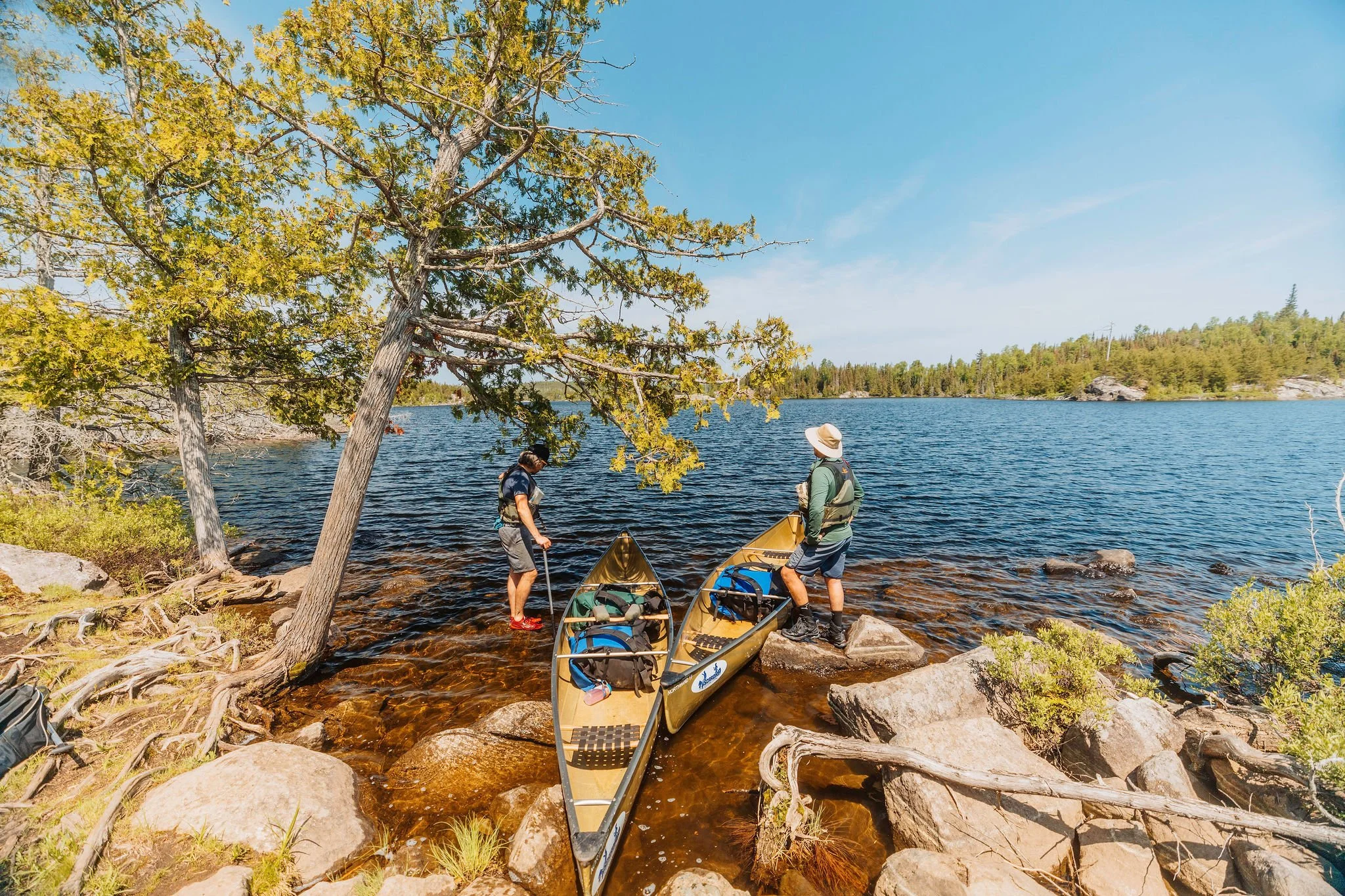
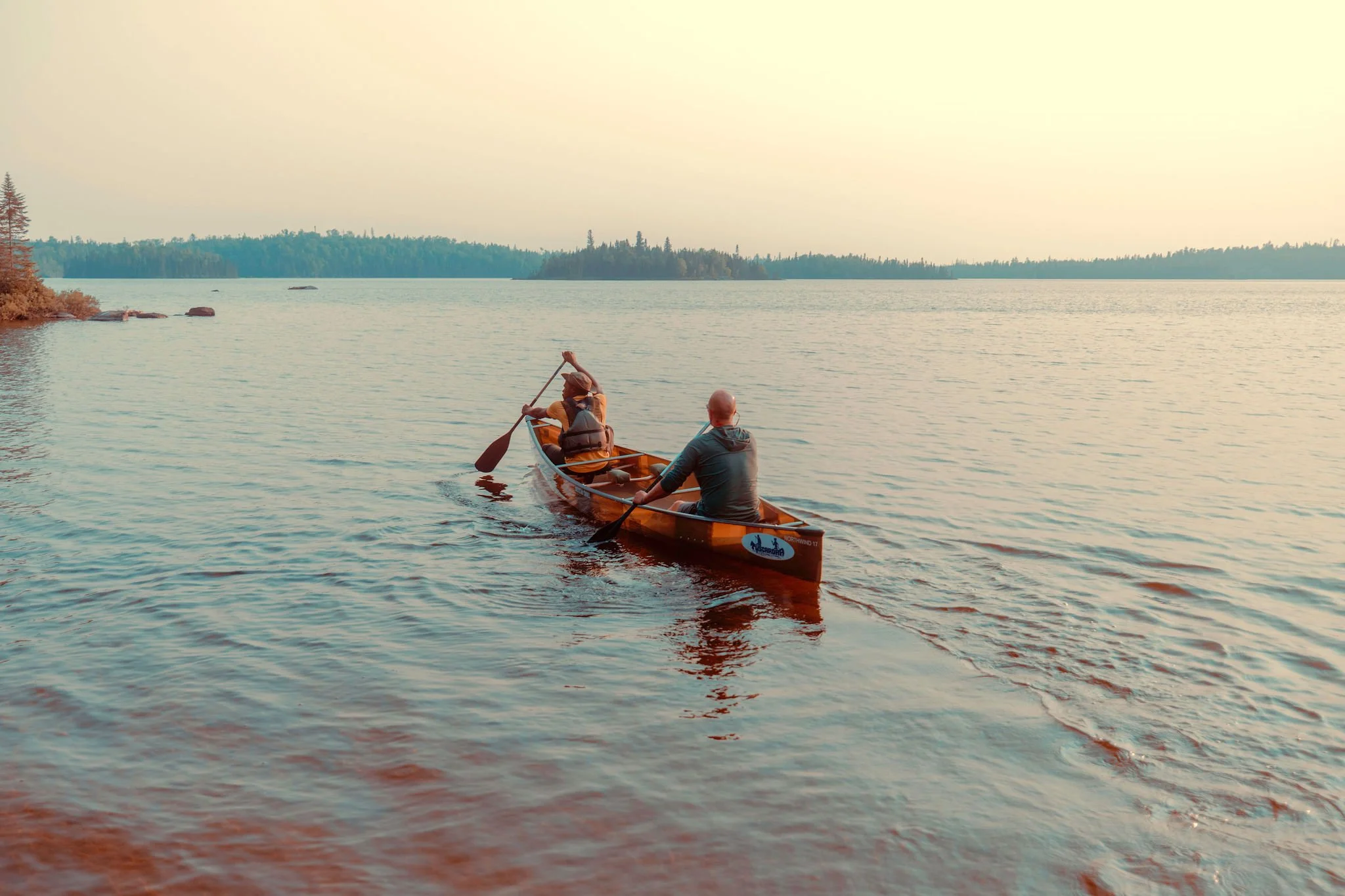
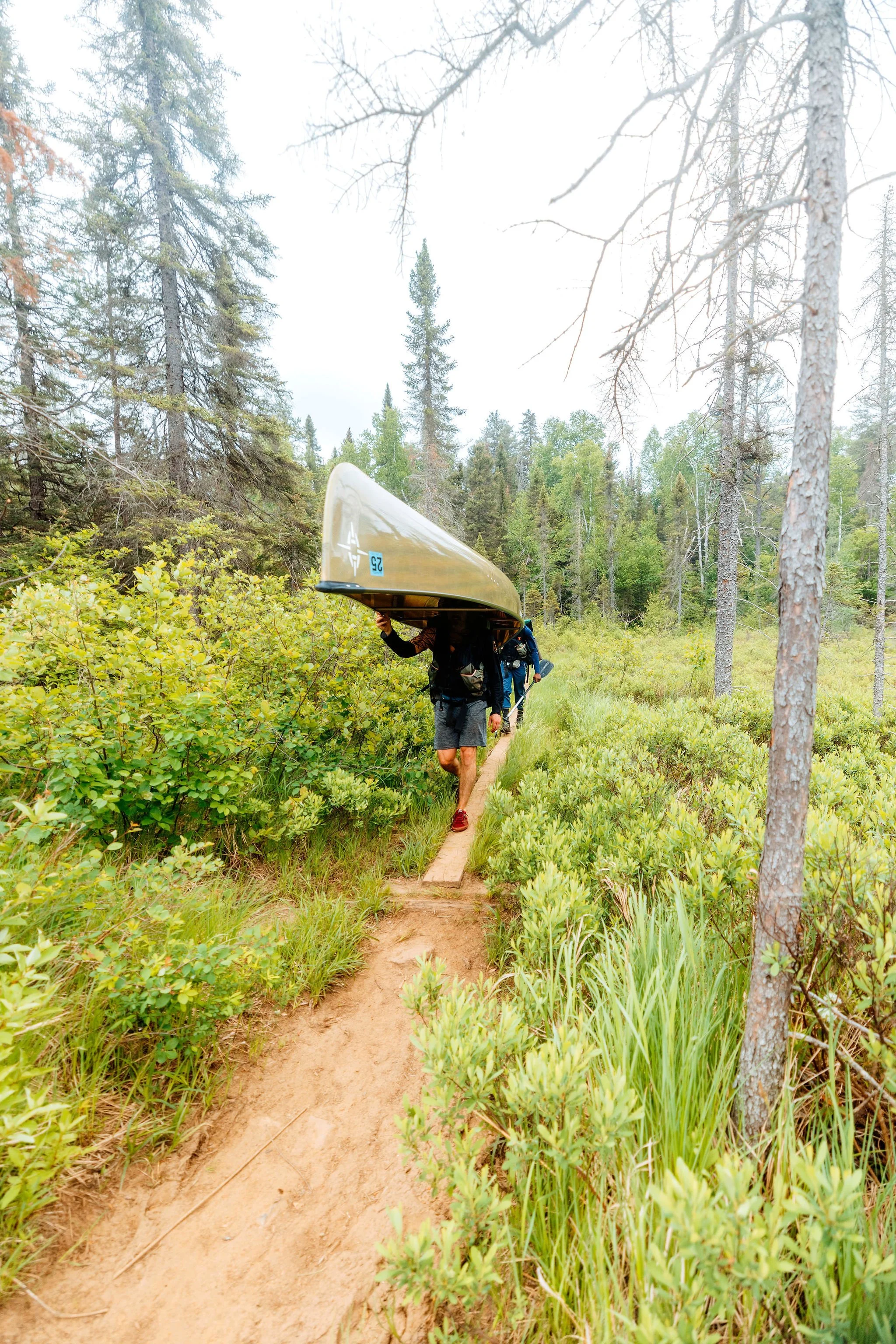
Five days in the BWCA is physically testing in a way that surprises you. The paddling, the portages, the weight of a pack you thought you'd packed light, it accumulates. But so does everything else. The quiet. The light on the water in the morning. The particular stillness of a lake with no motor on it.
Day 1
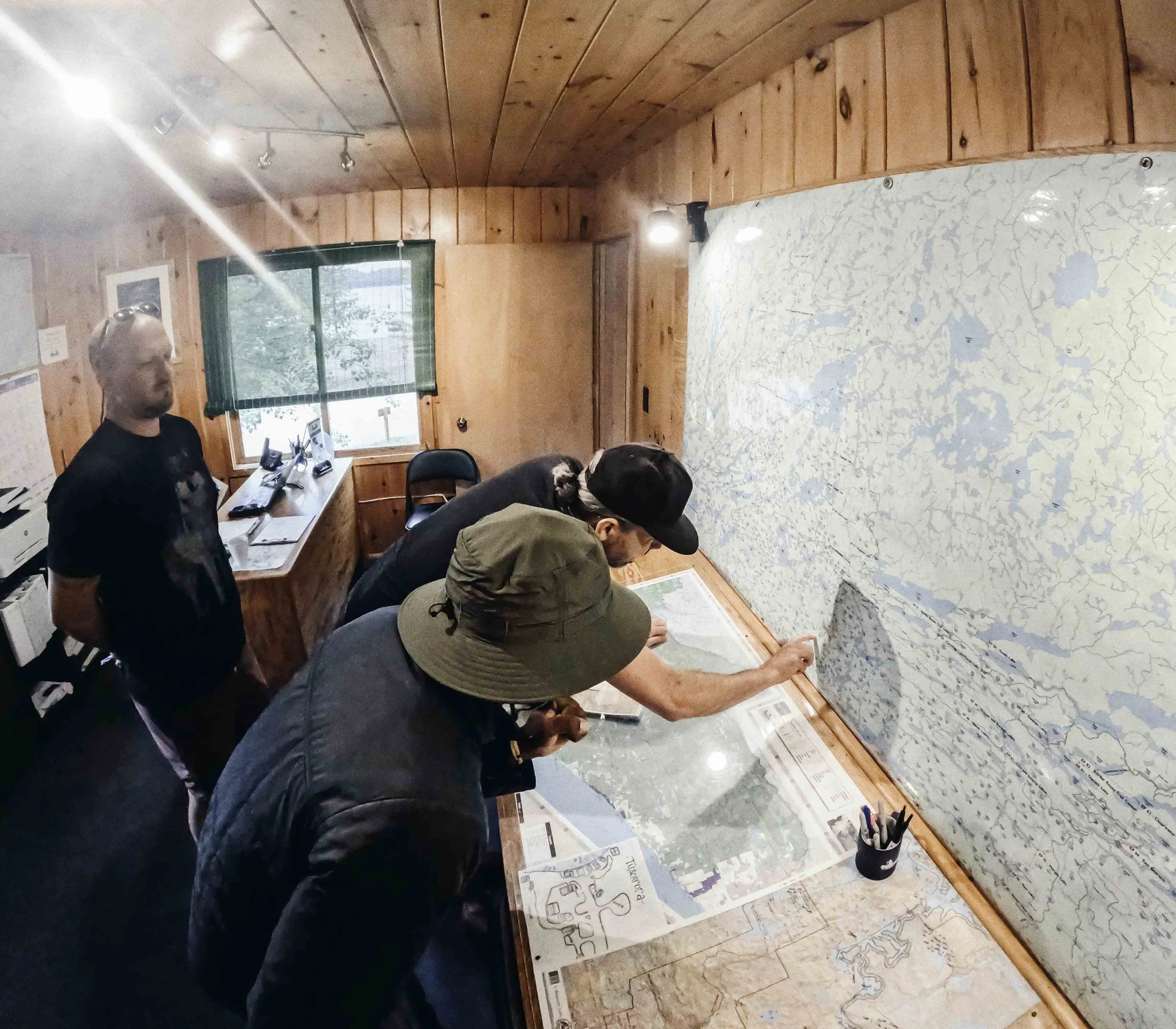
Tuscarora Lodge to Long Island Lake
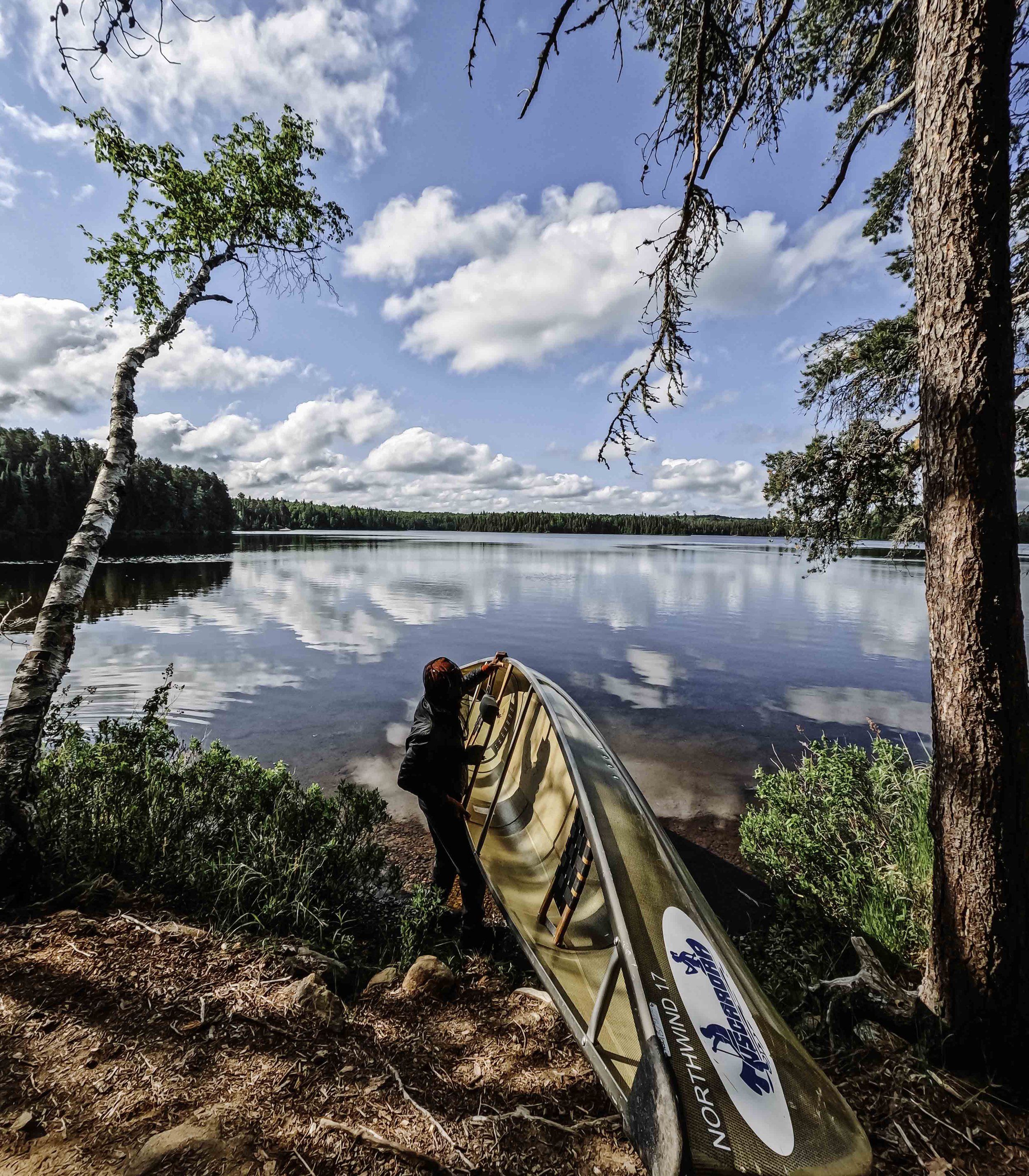
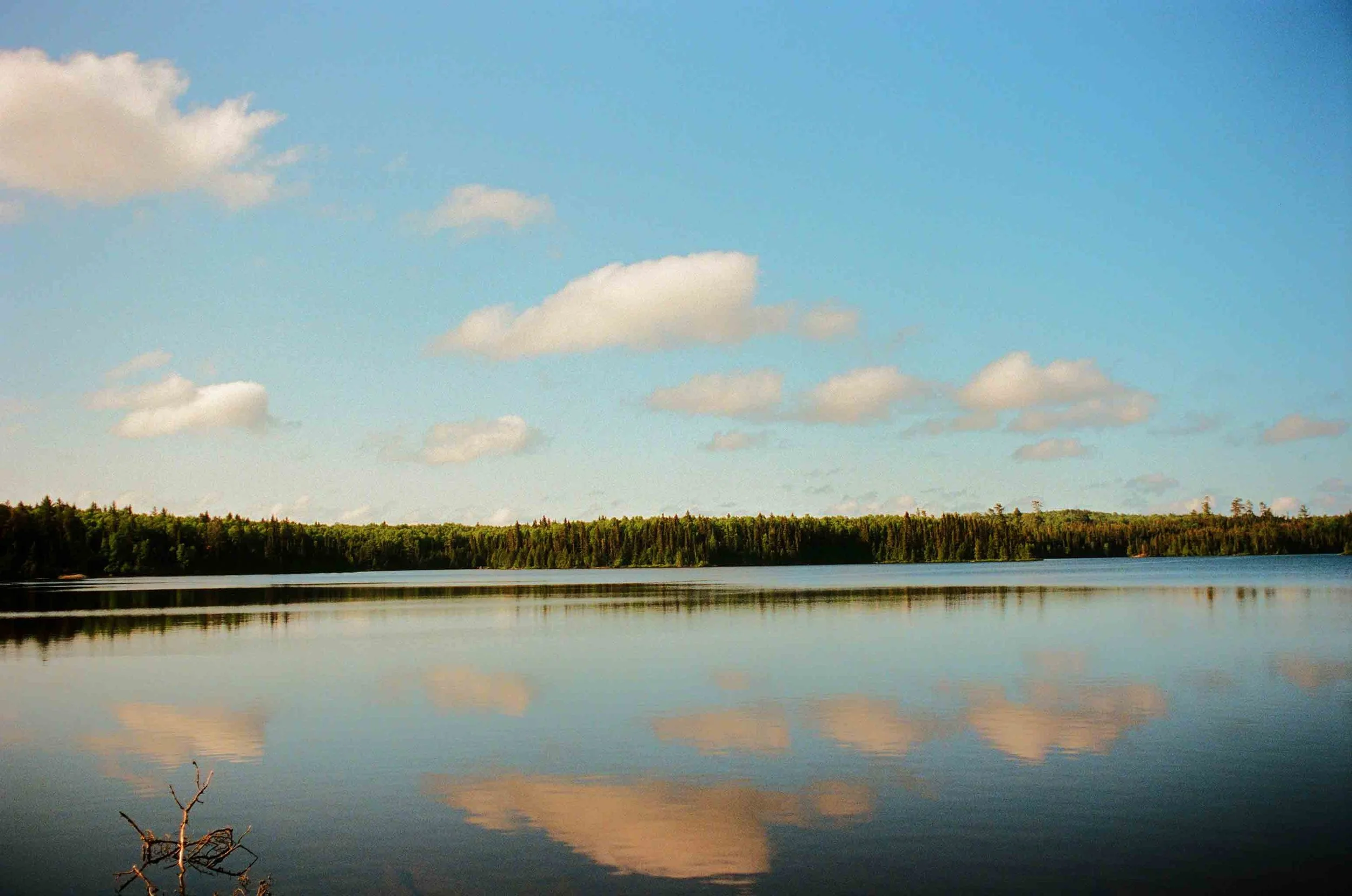
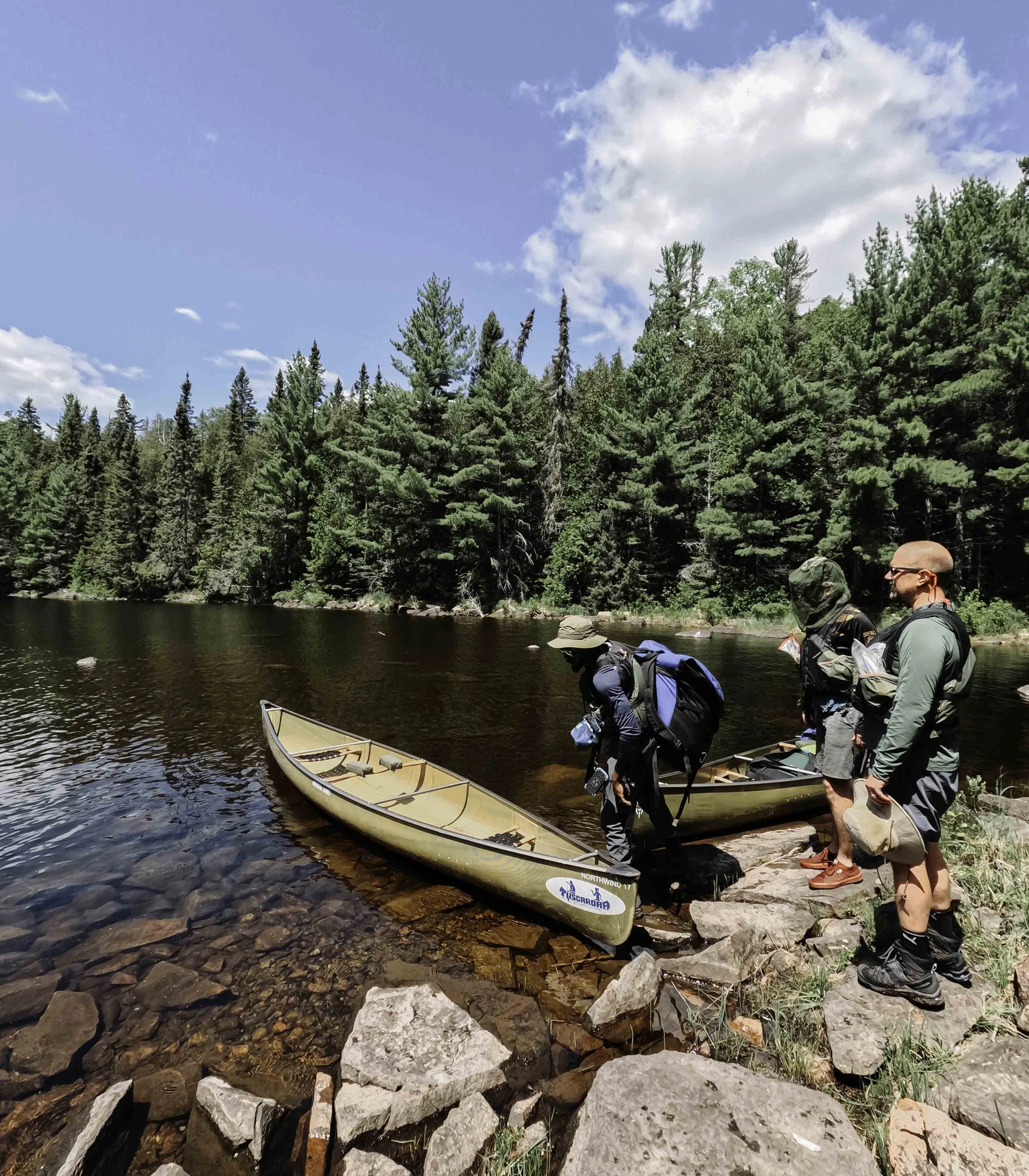
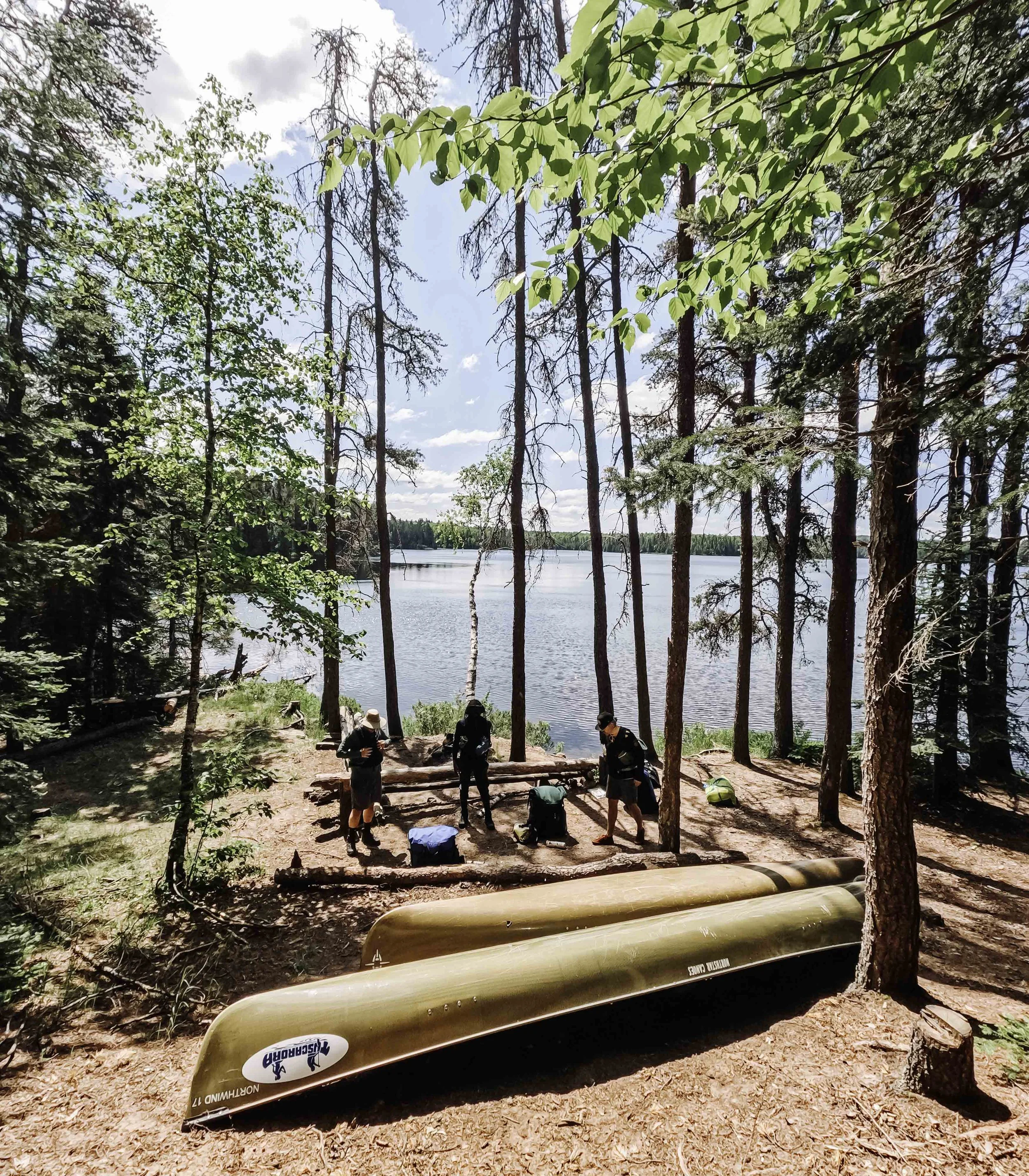
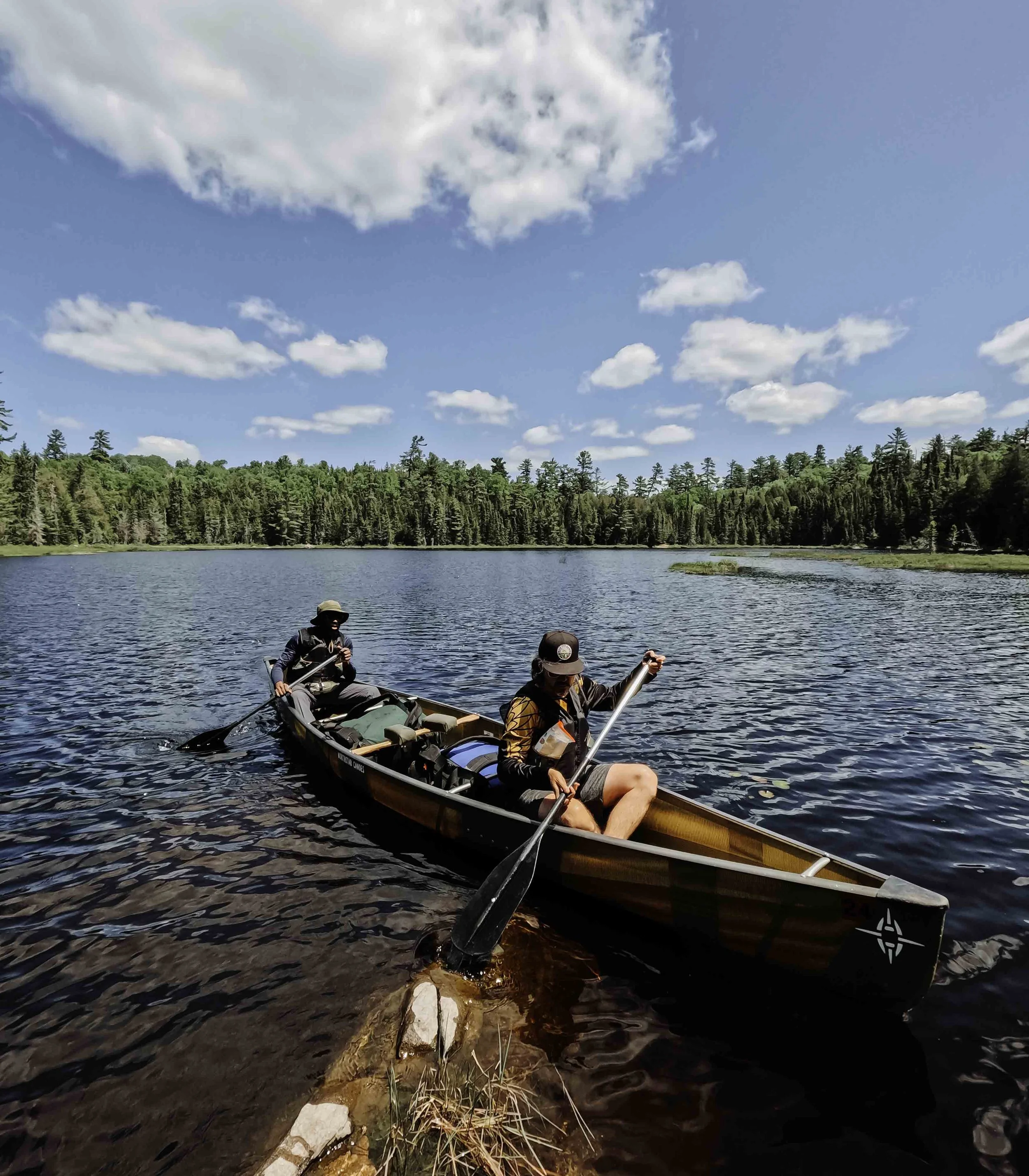
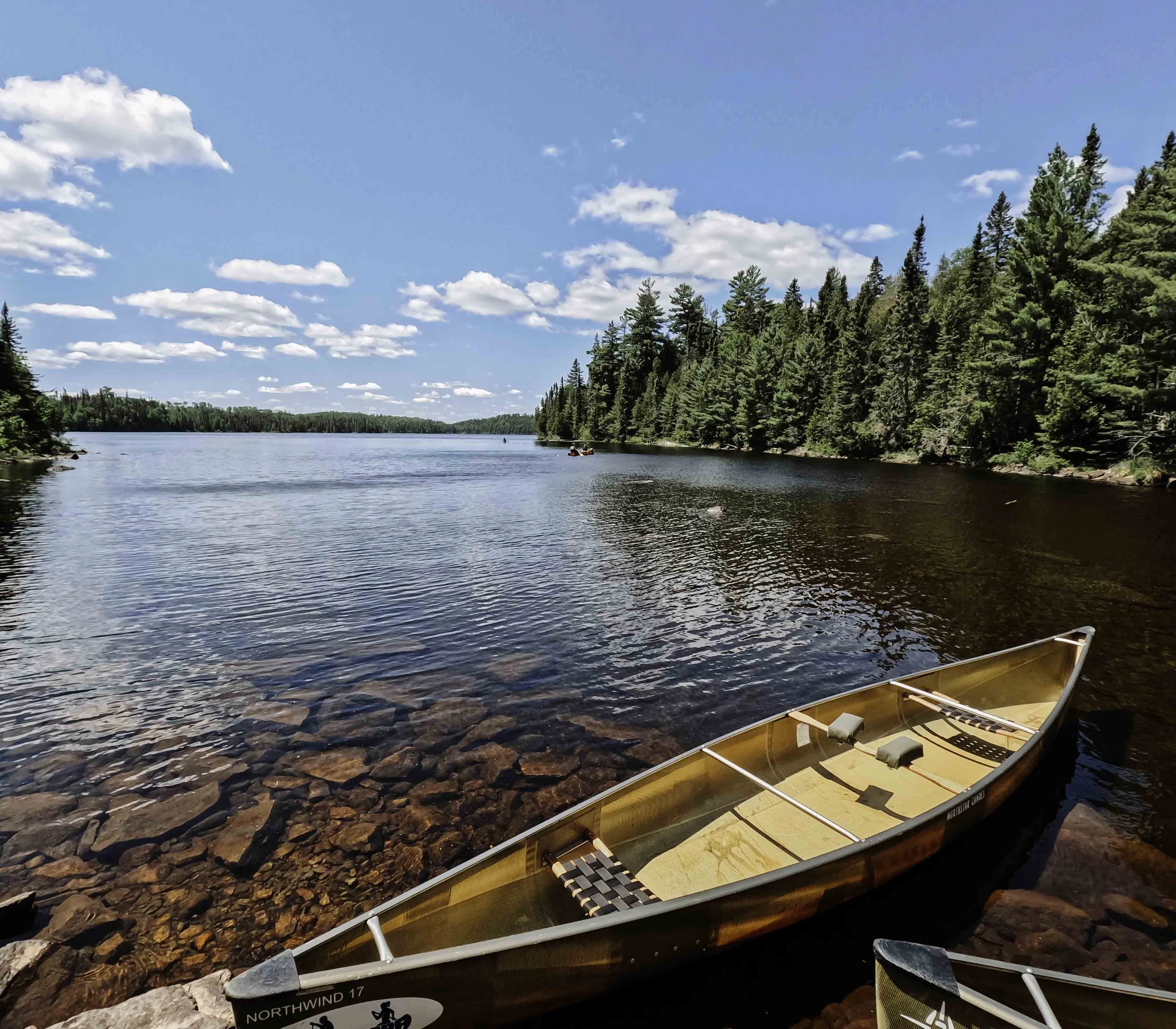
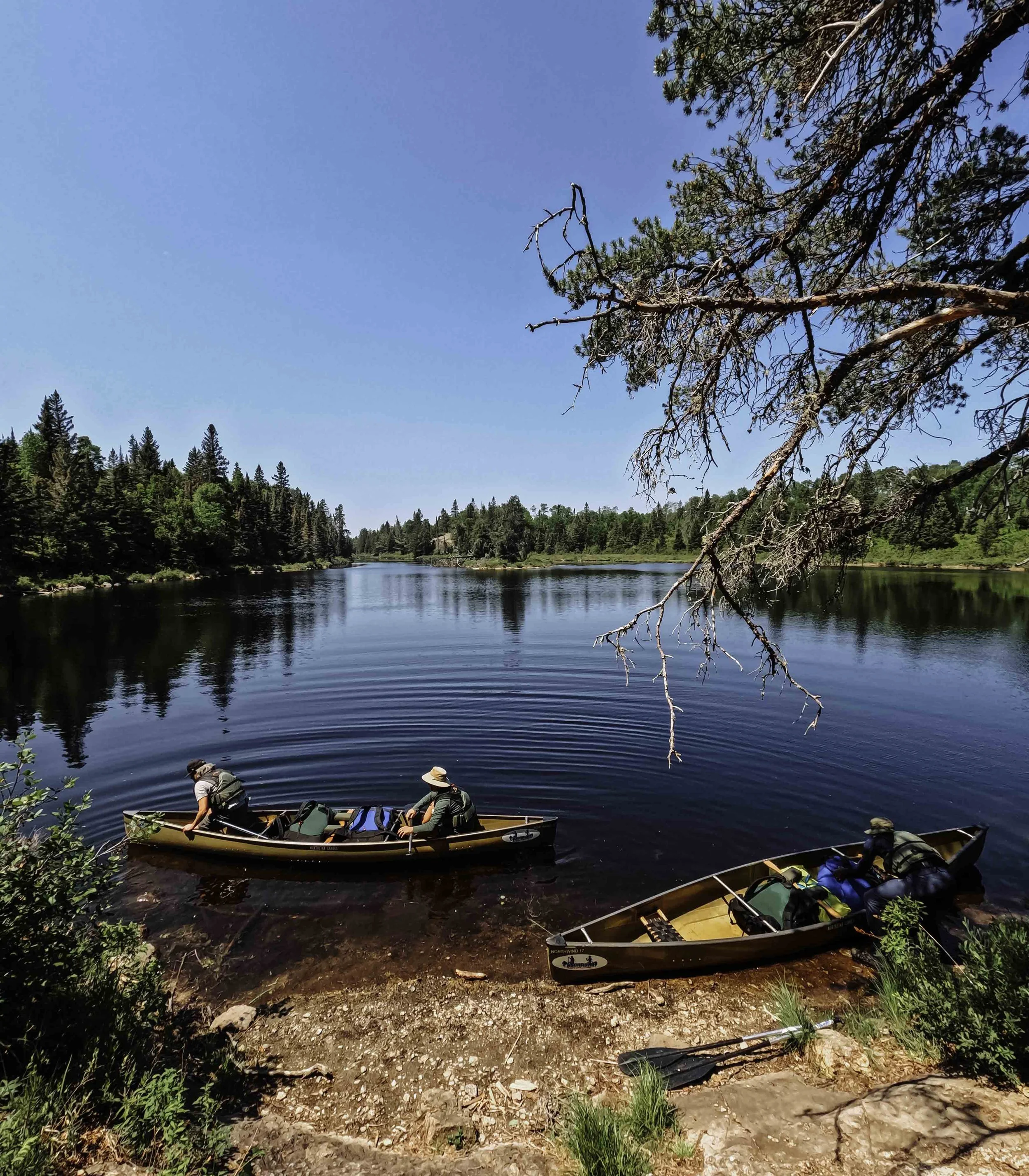
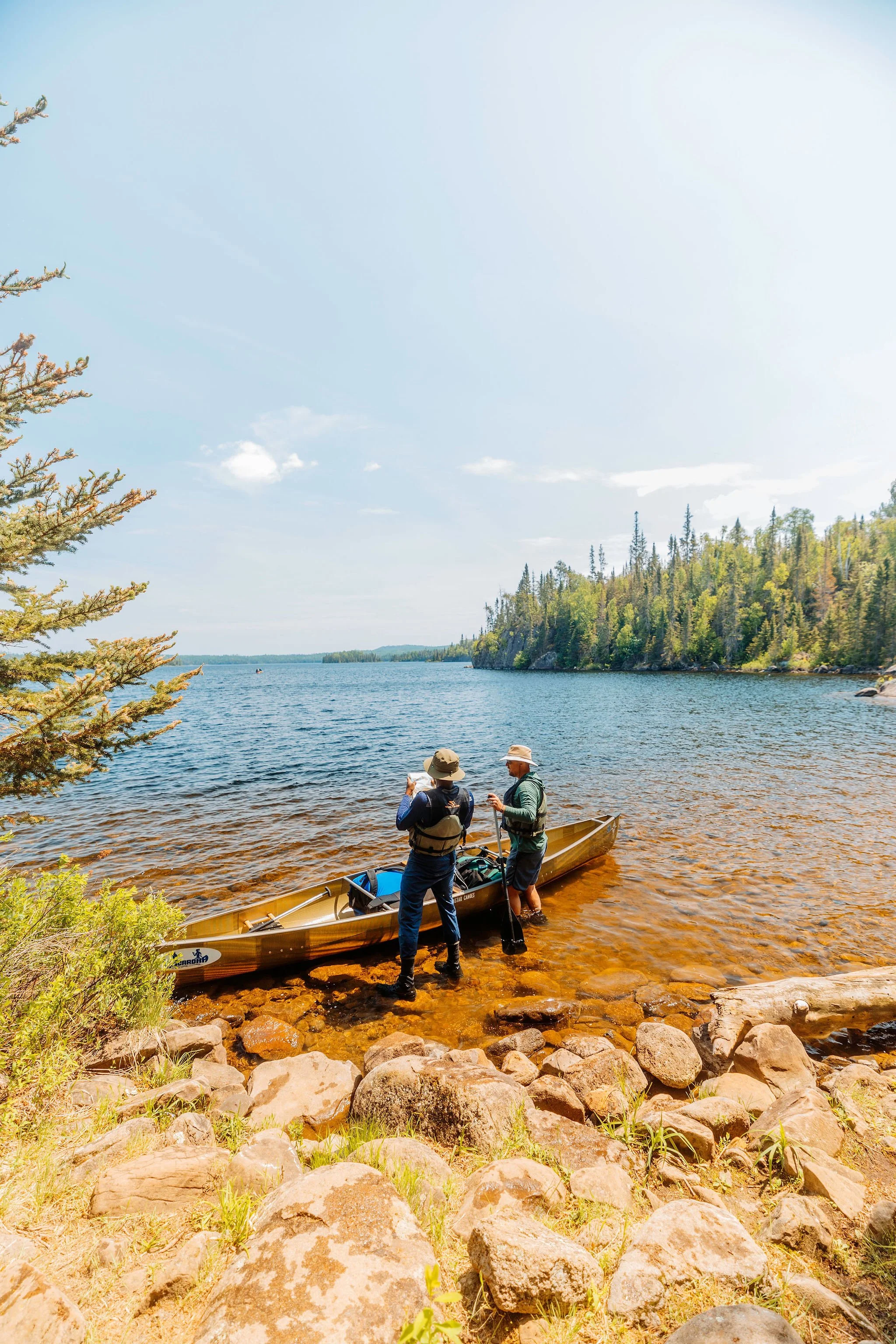
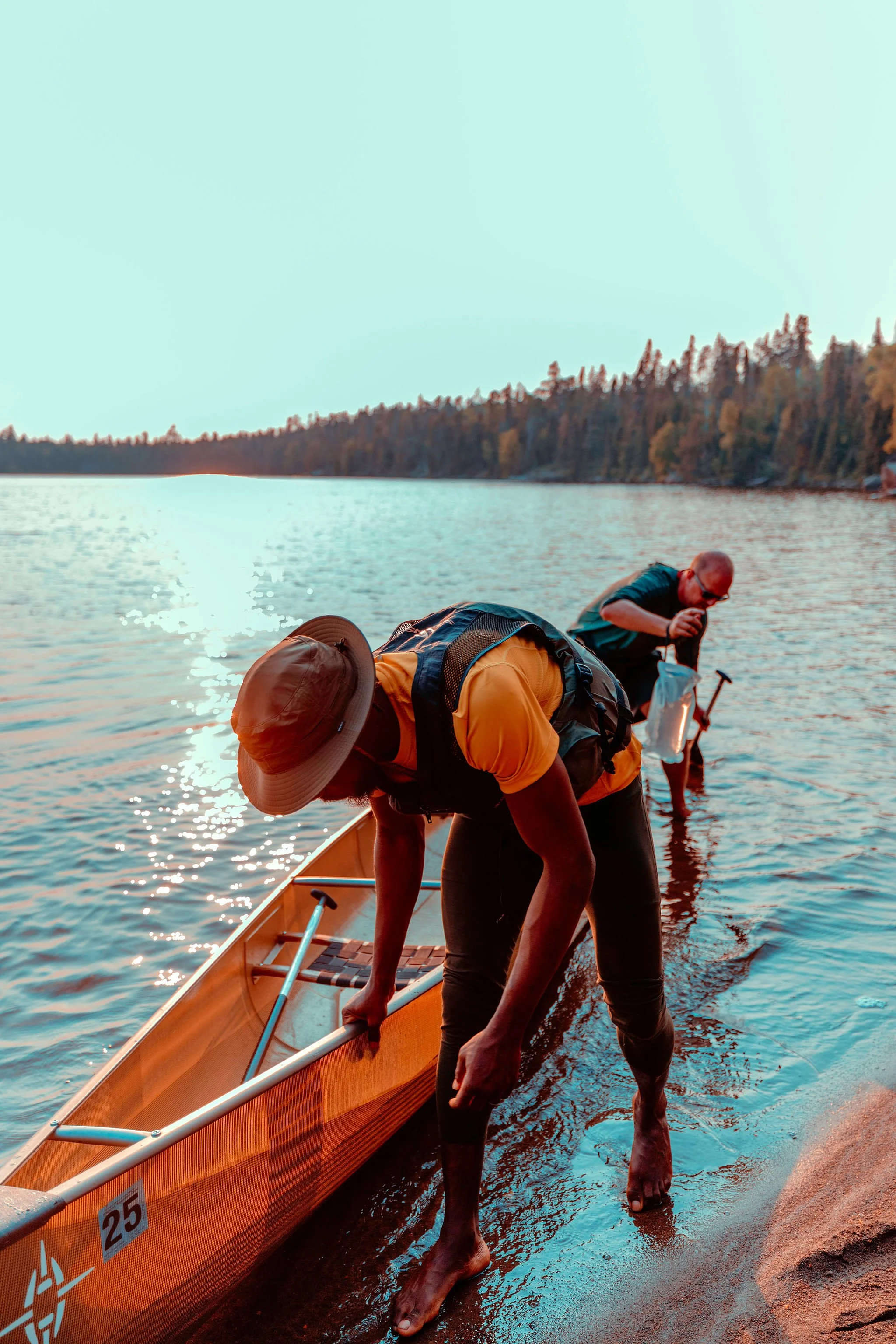
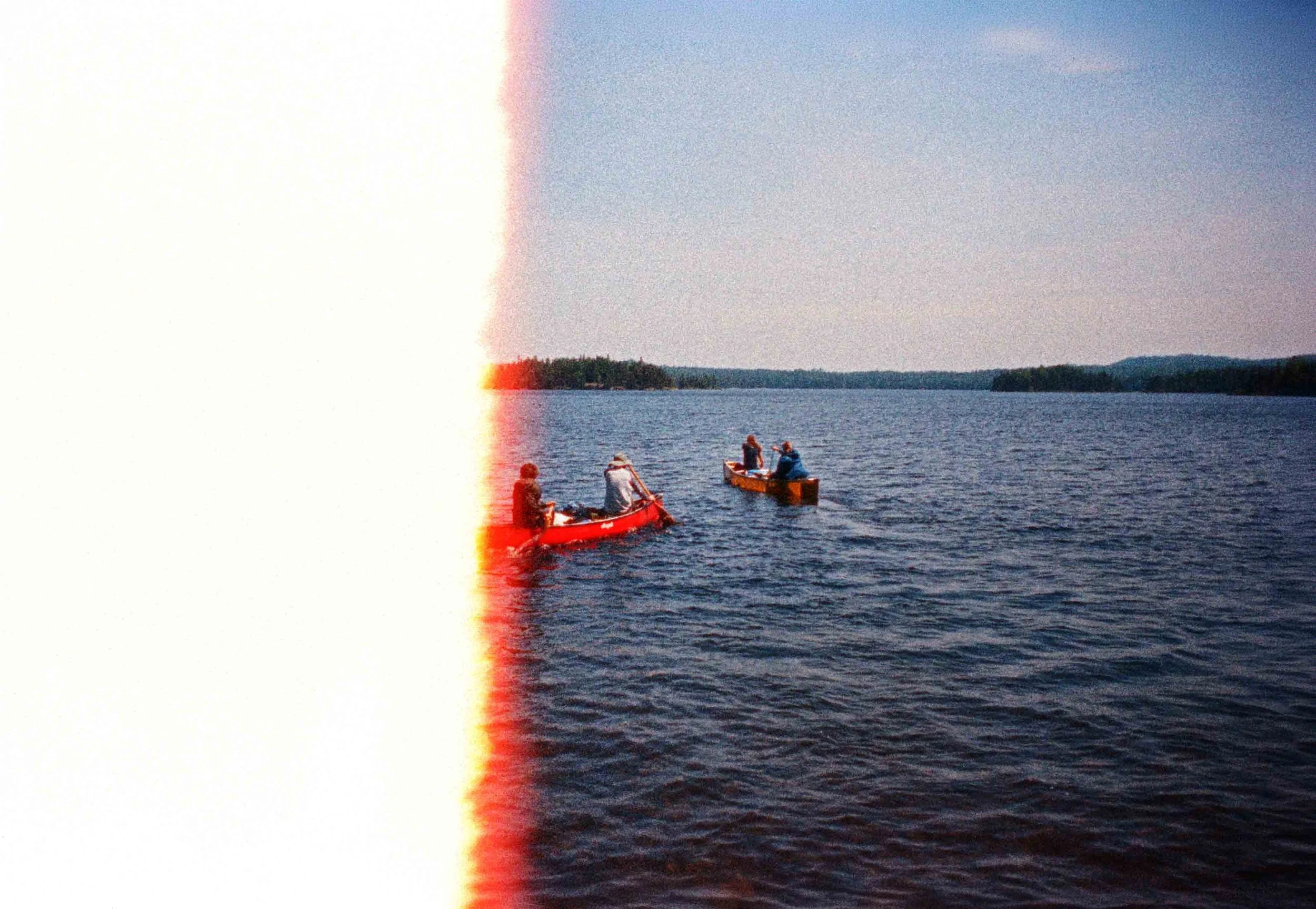
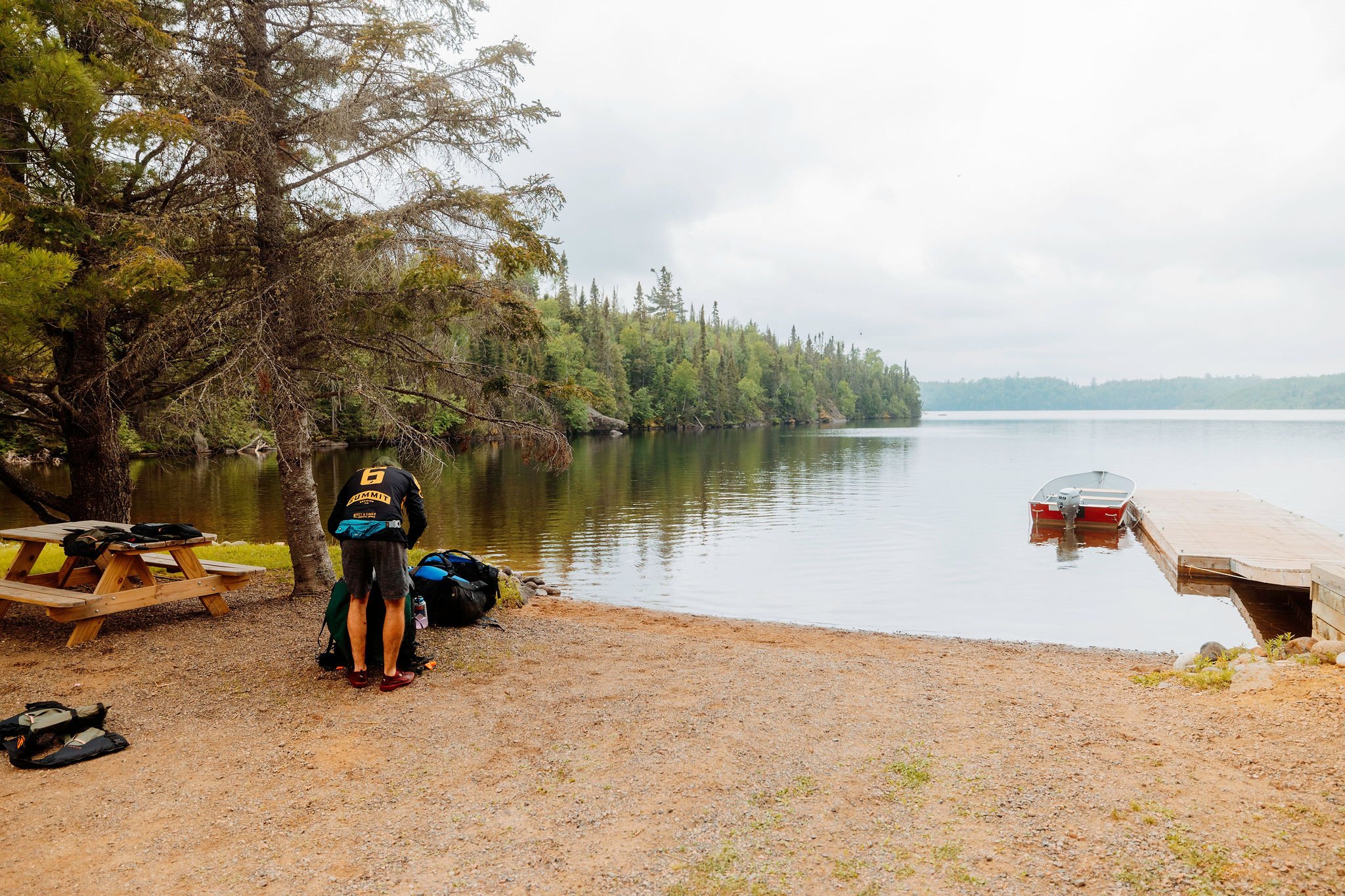
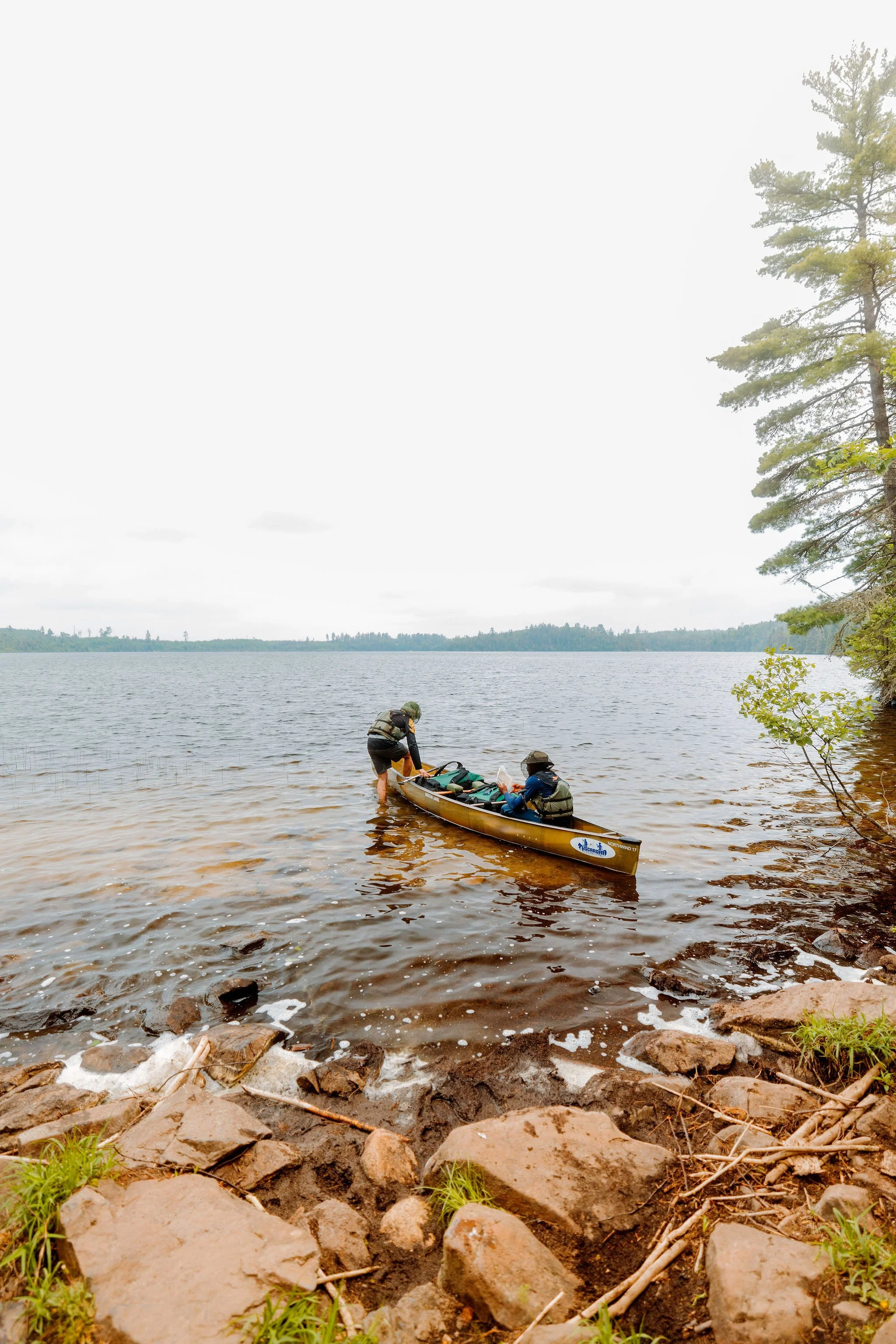
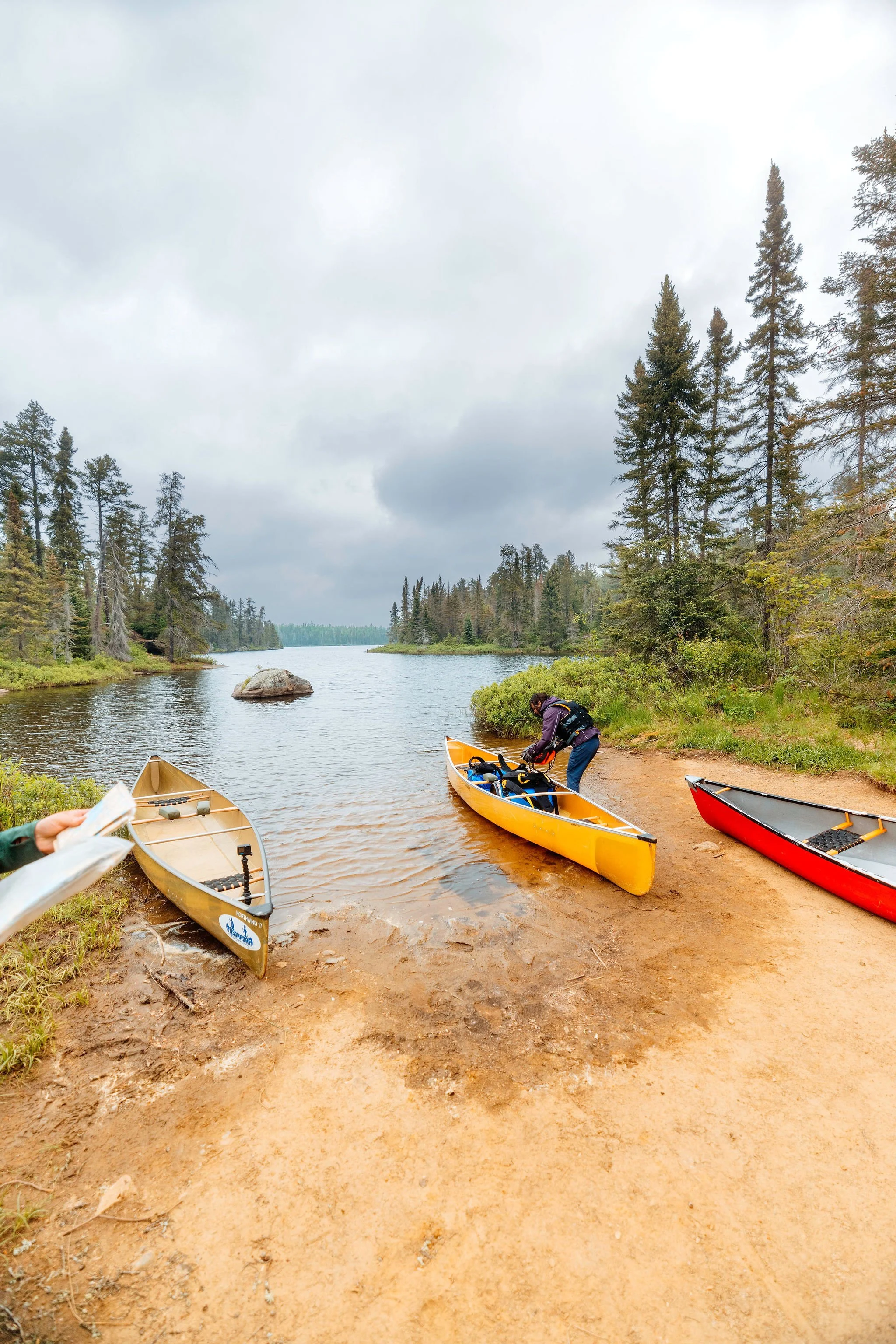
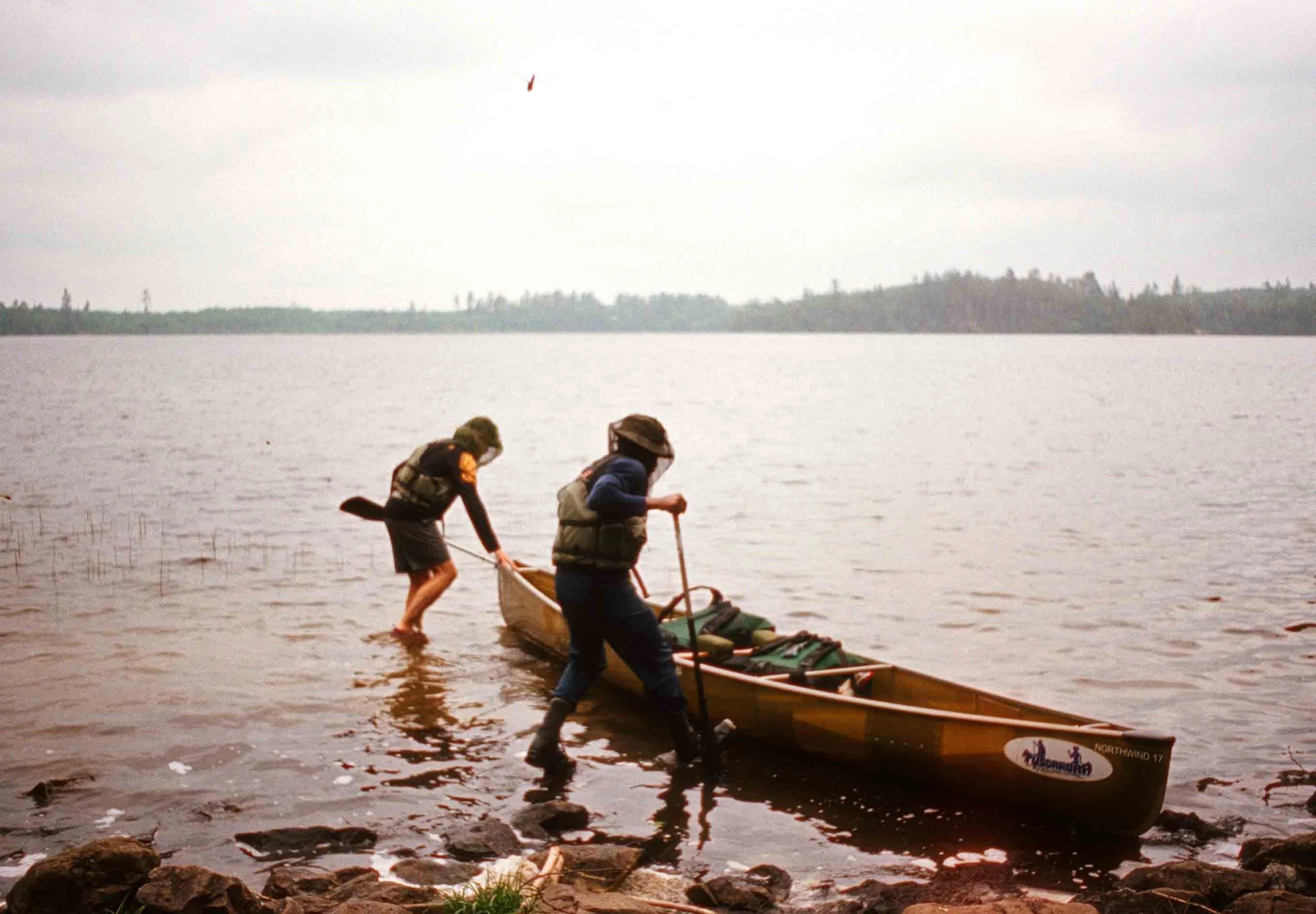
We launched from Tuscarora Lodge and canoed through the afternoon. The first campsite on Long Island Lake. The first night in the BWCA settles in differently, the quiet finds you, and you realise how far you are from anything with a road.
Day 2
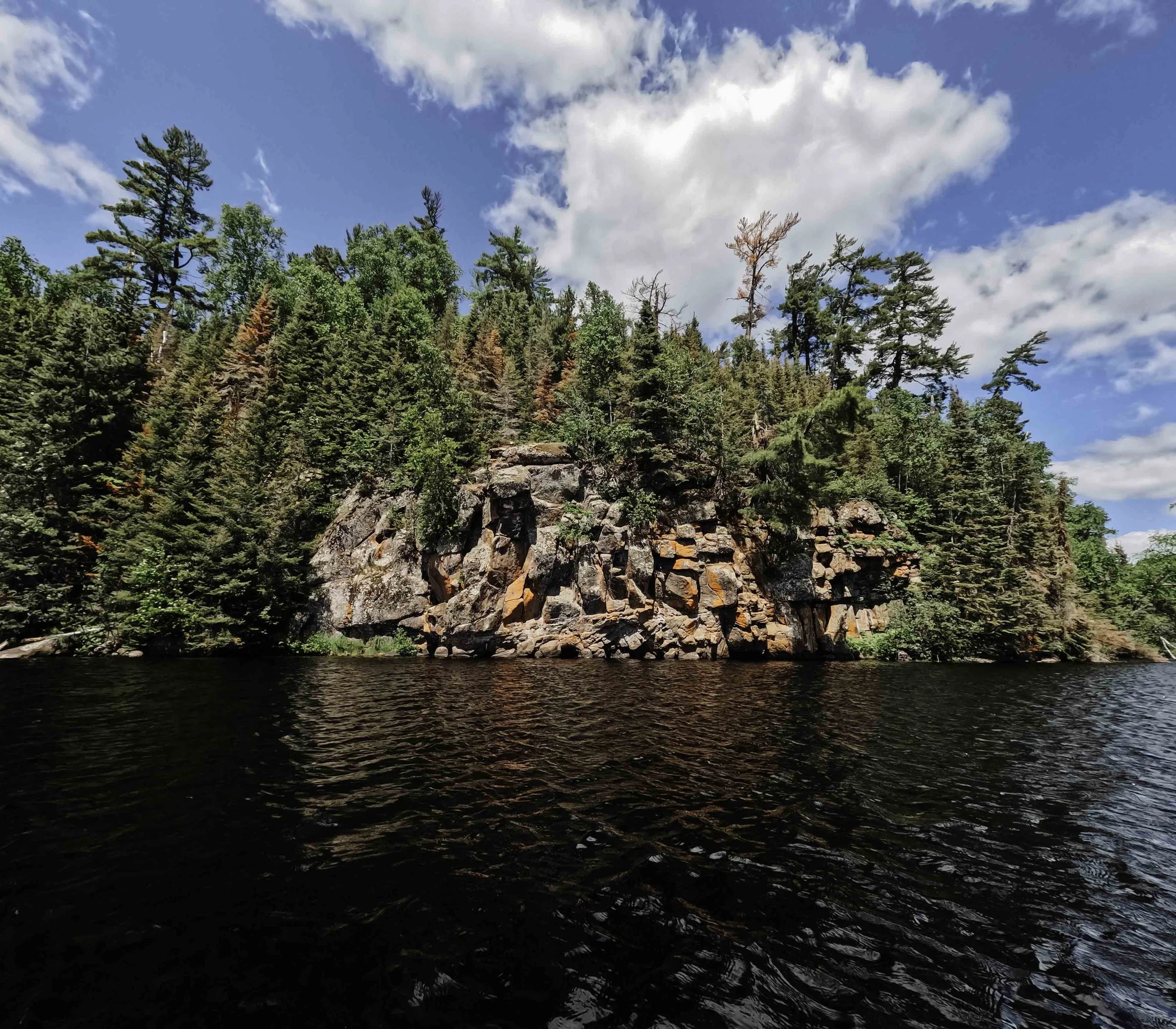
Frost Lake, the jackpot campsite
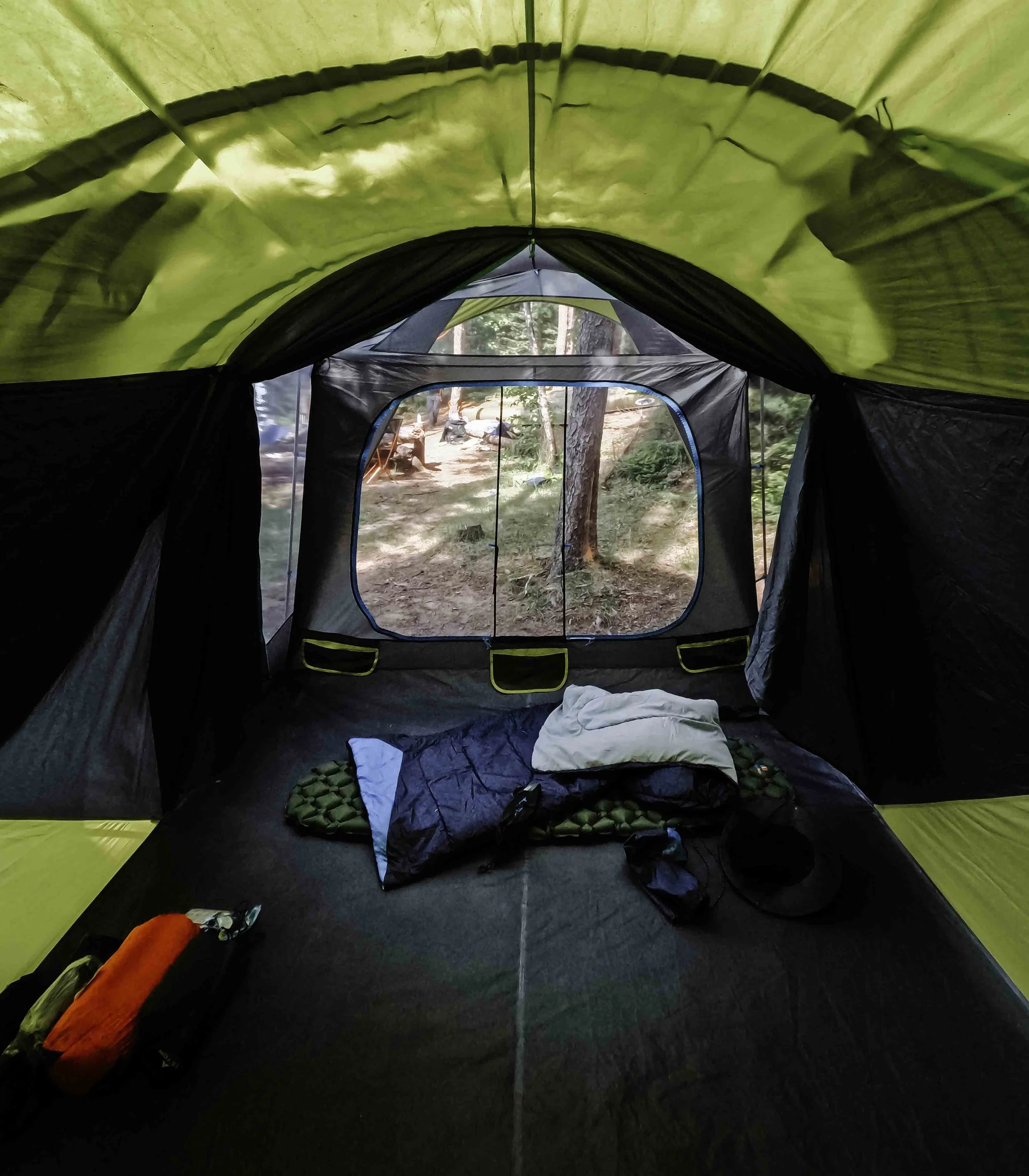
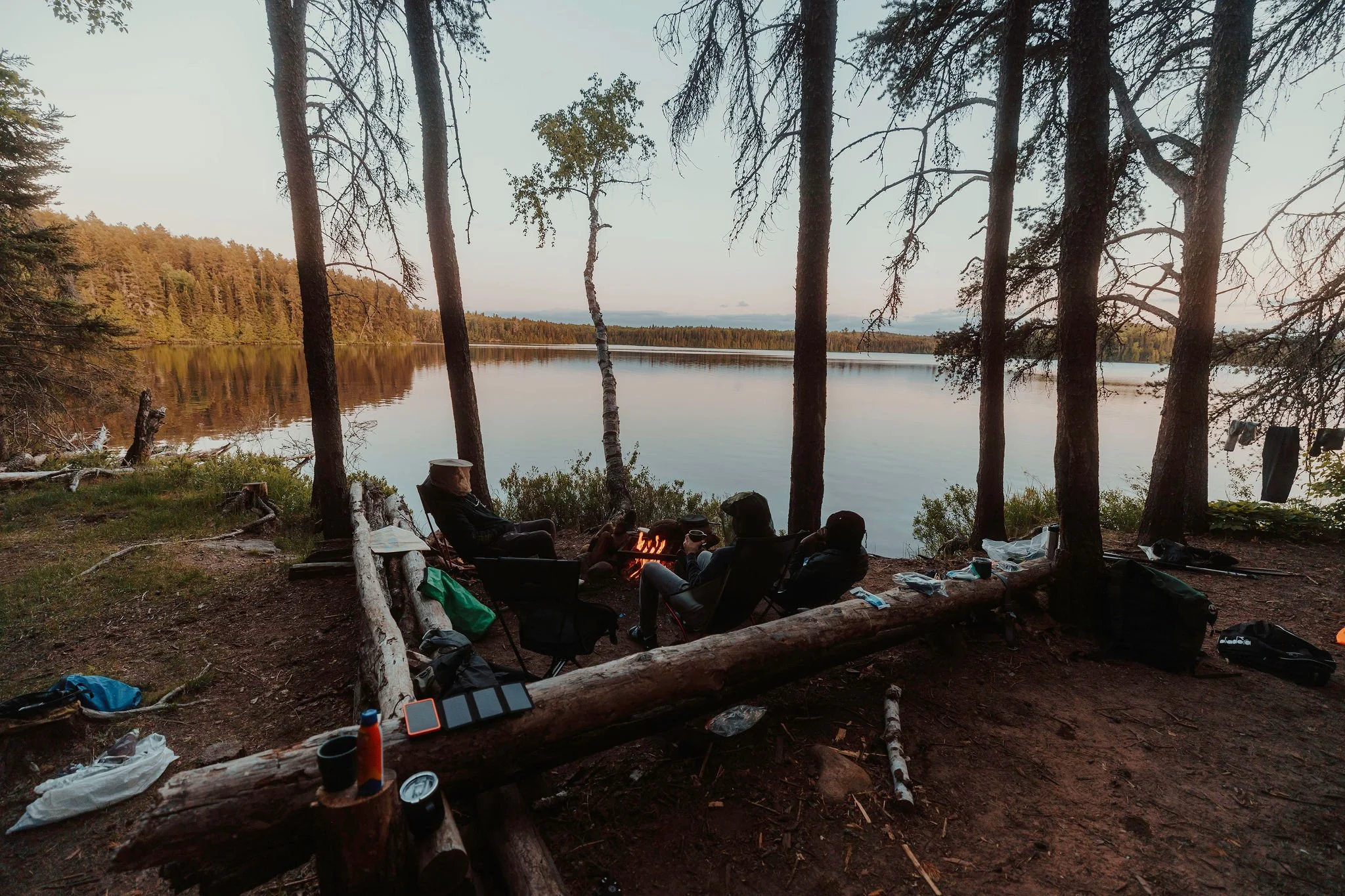
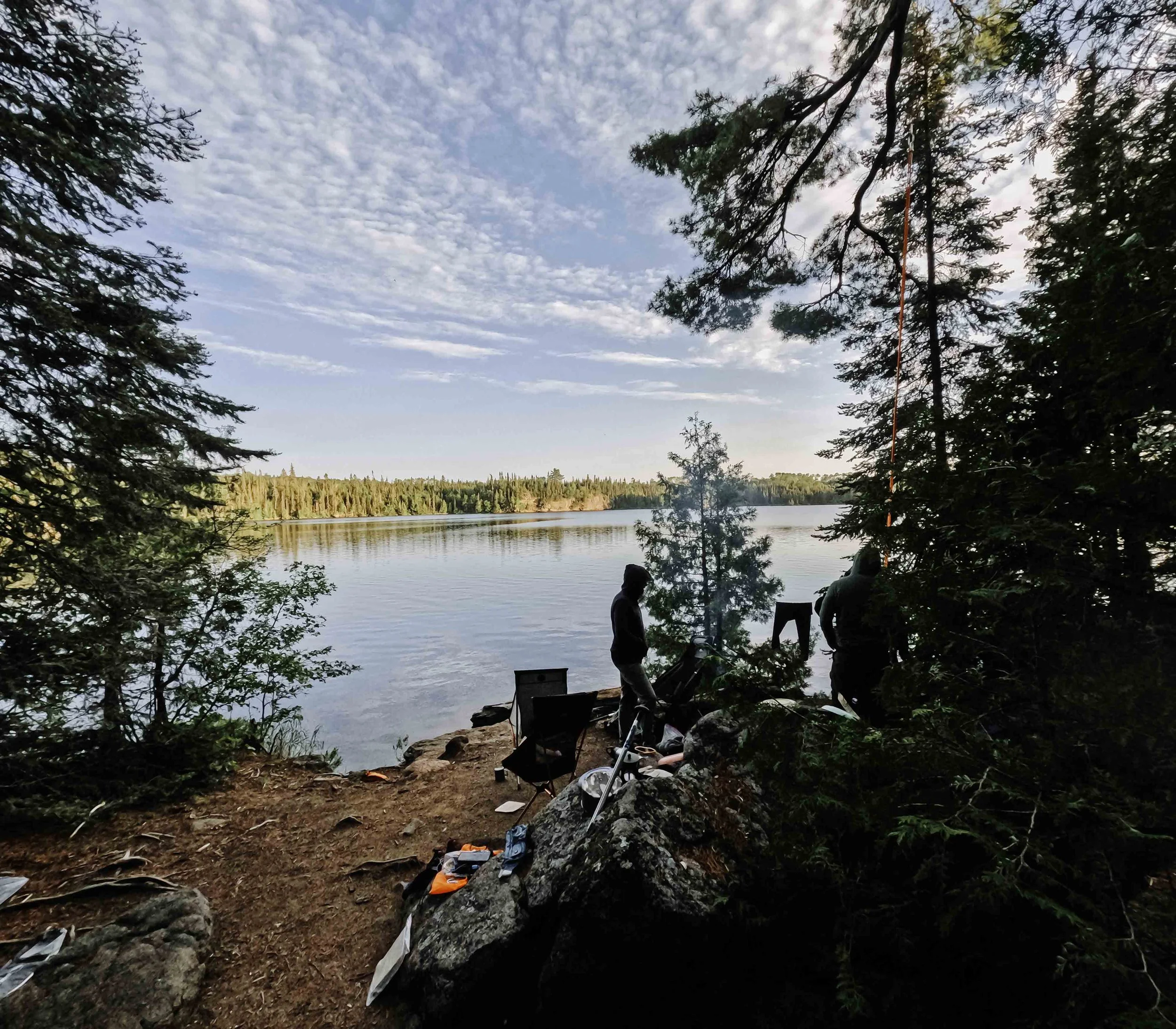
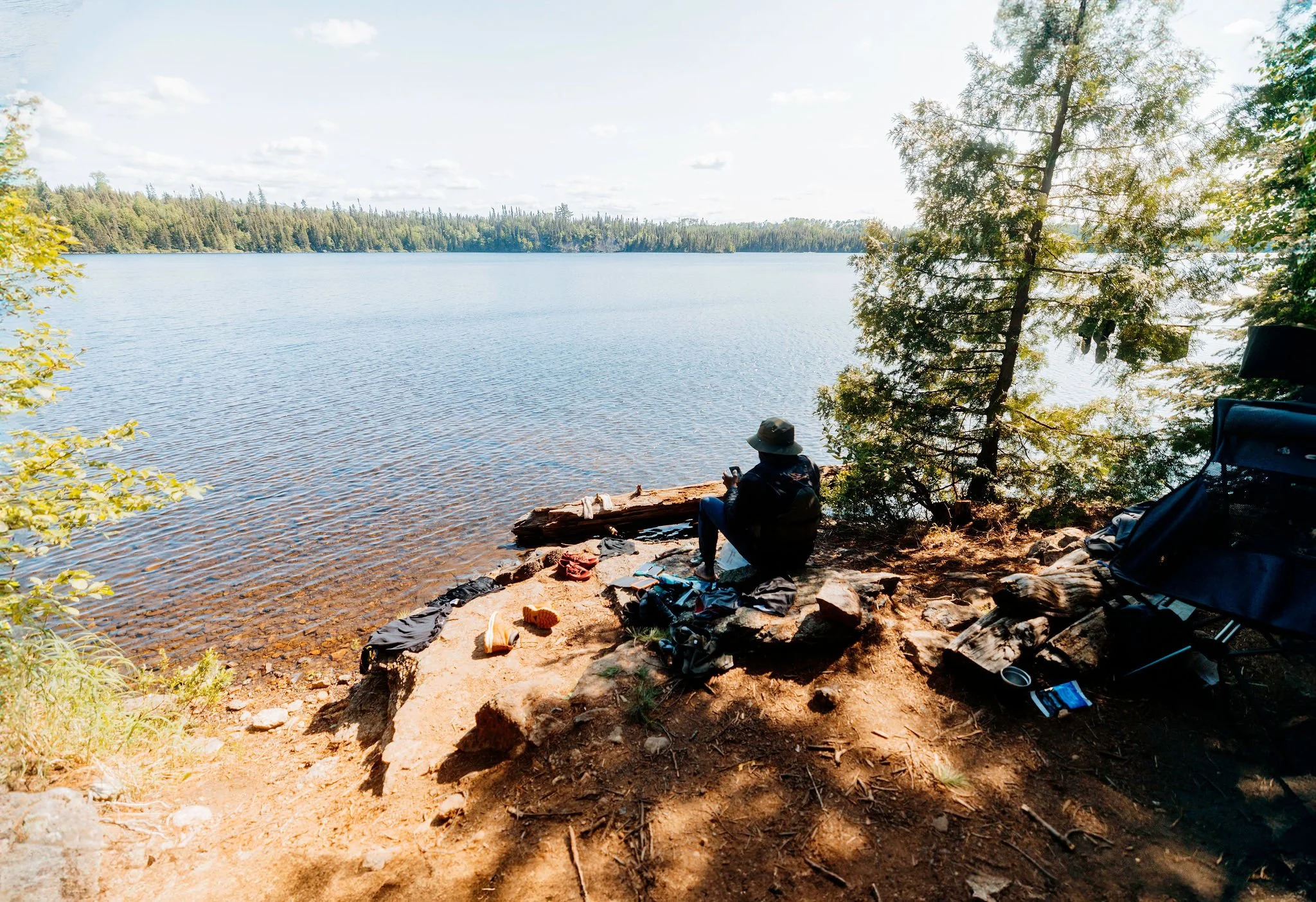
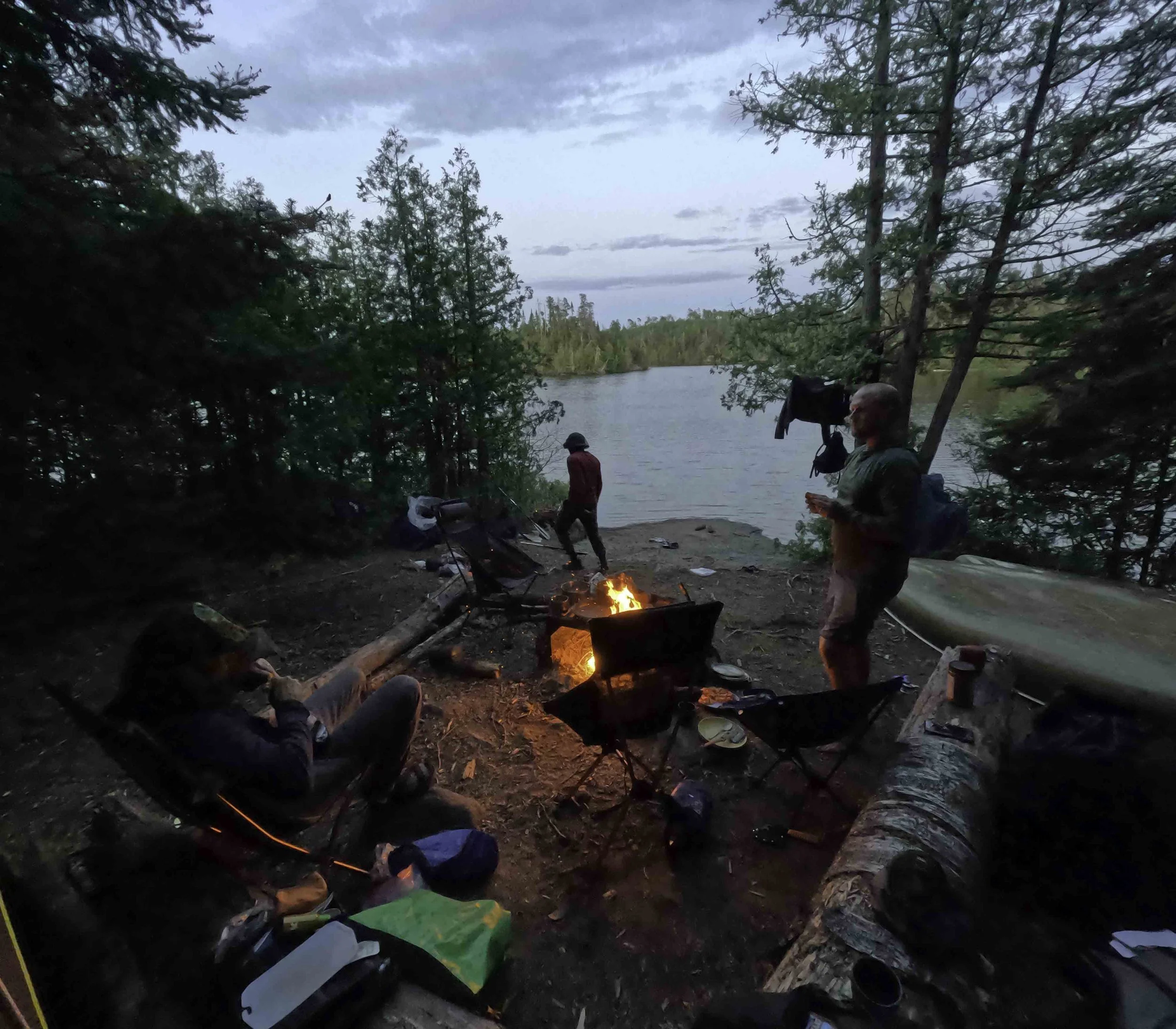
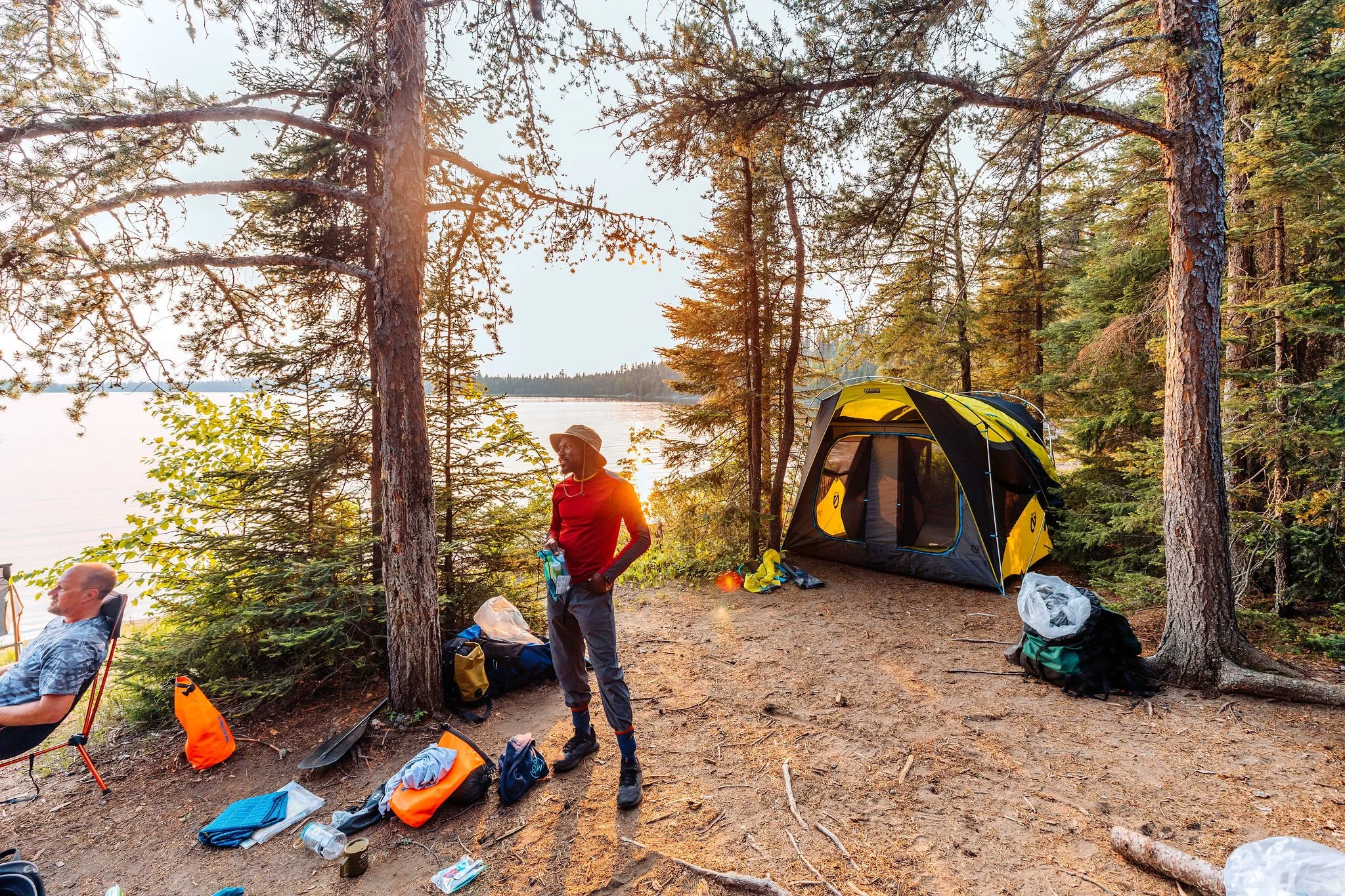
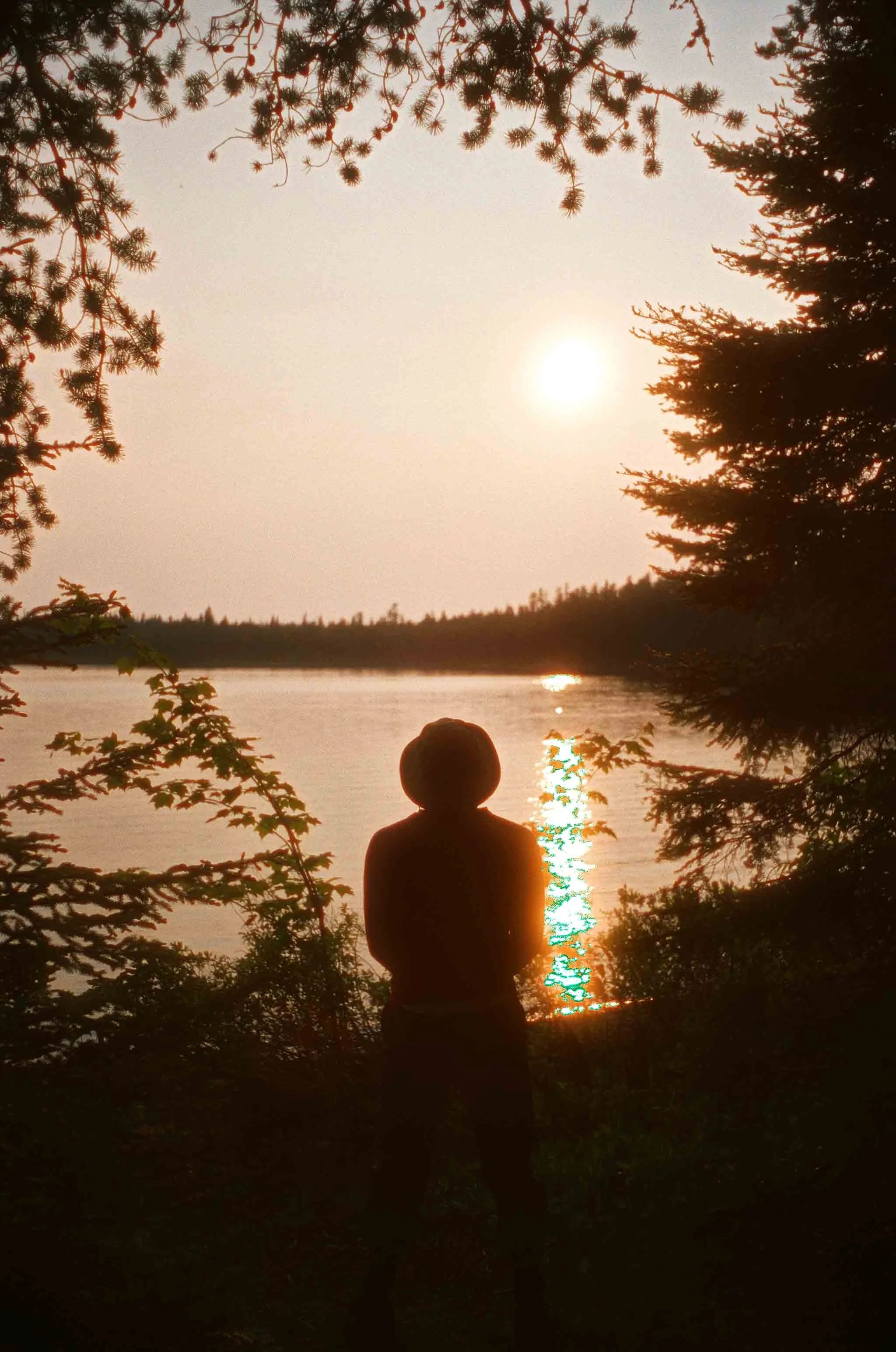
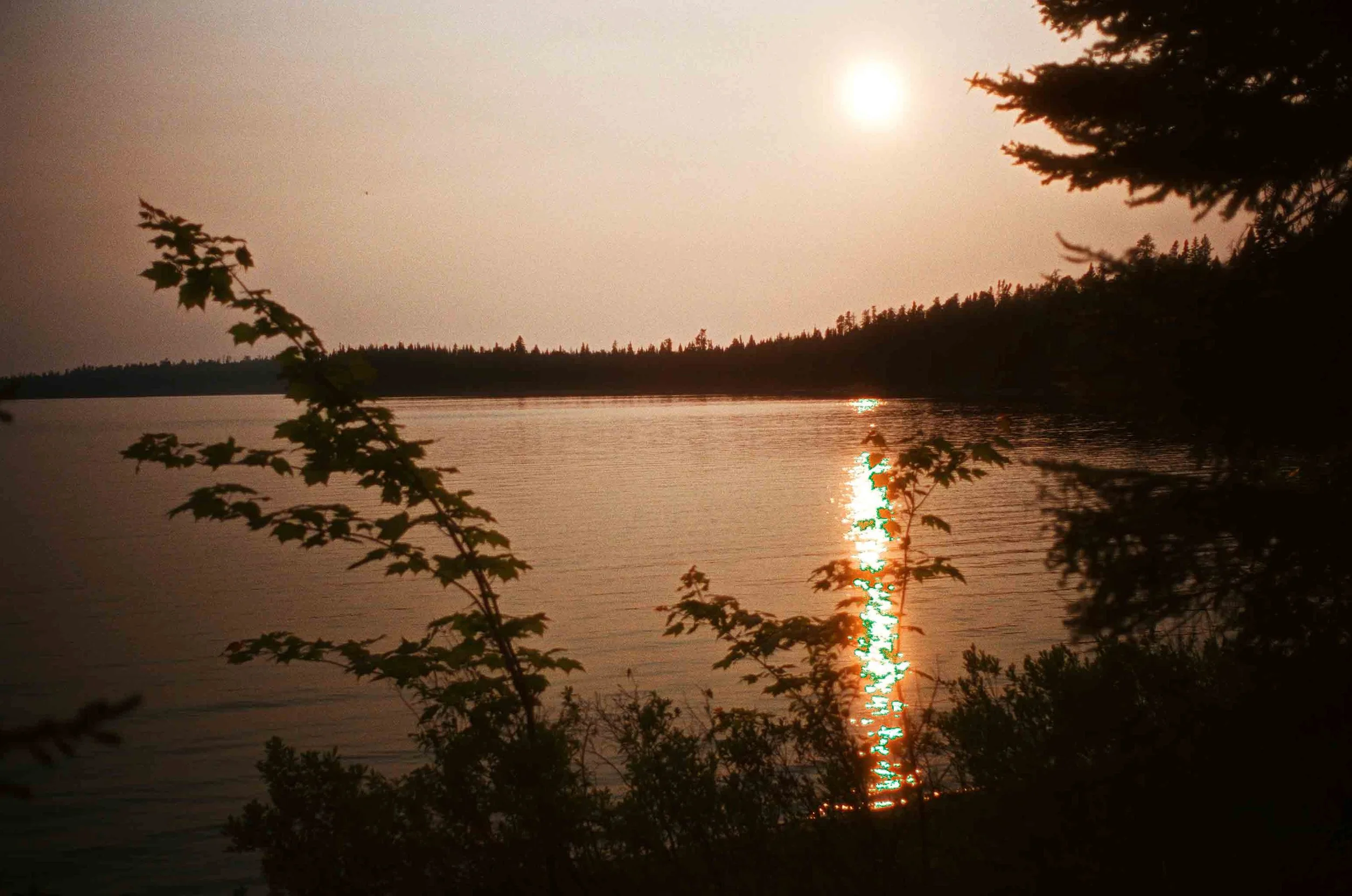
The second day had us paddling and portaging until we found a campsite on Frost Lake with an overlook that stopped us all mid-conversation. We knew immediately we'd hit the jackpot. The kind of campsite you spend the whole trip hoping for and don't always get.
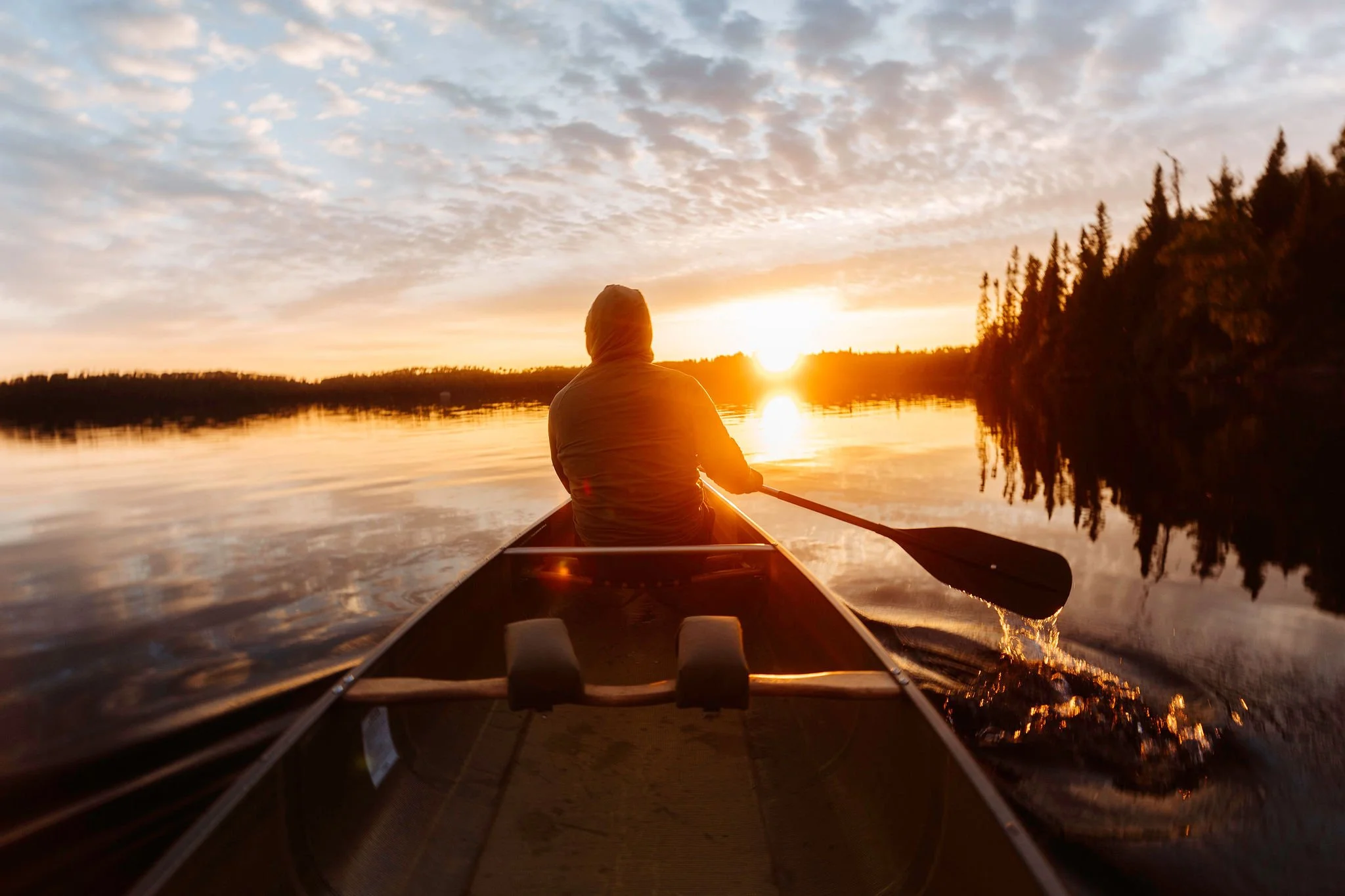
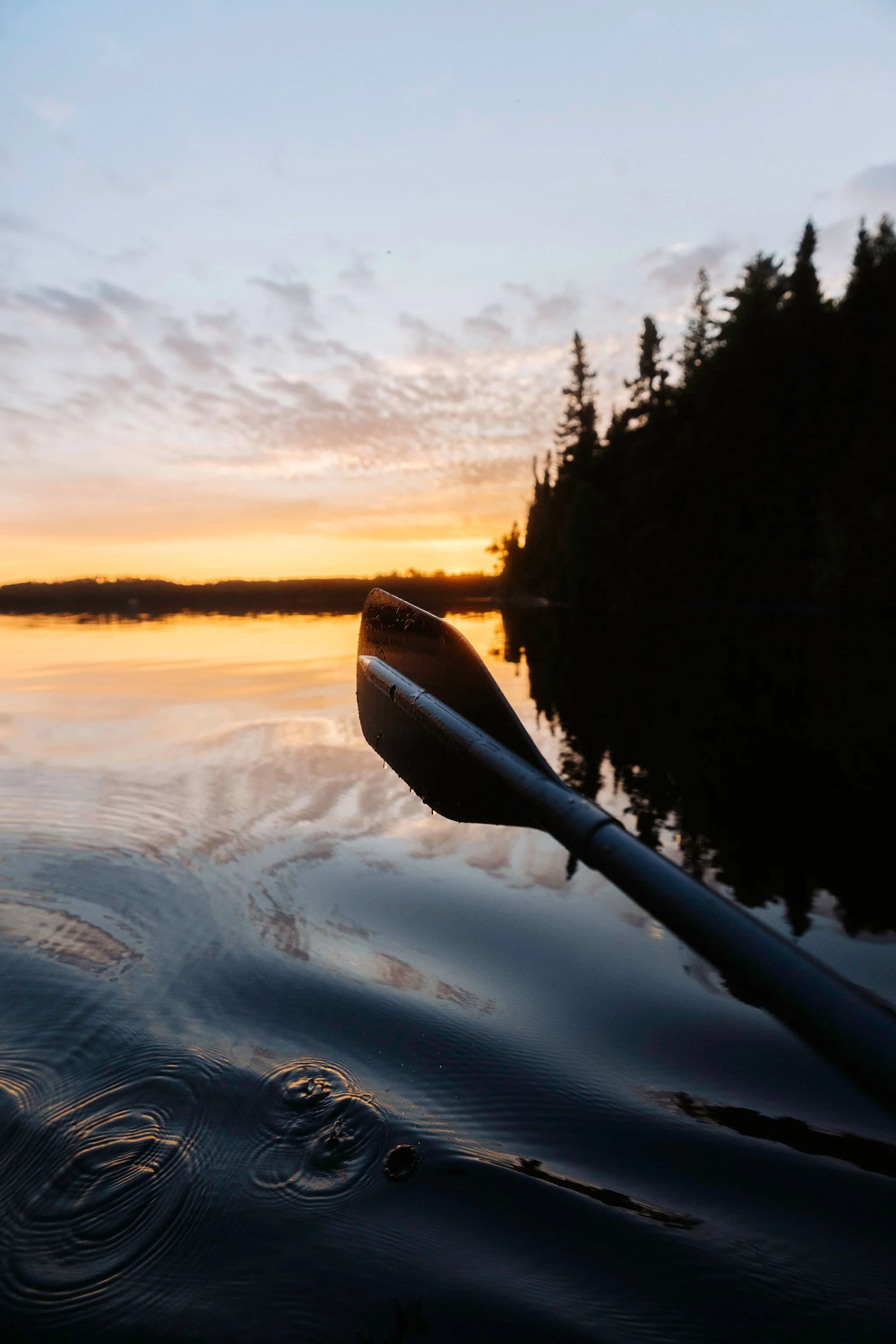
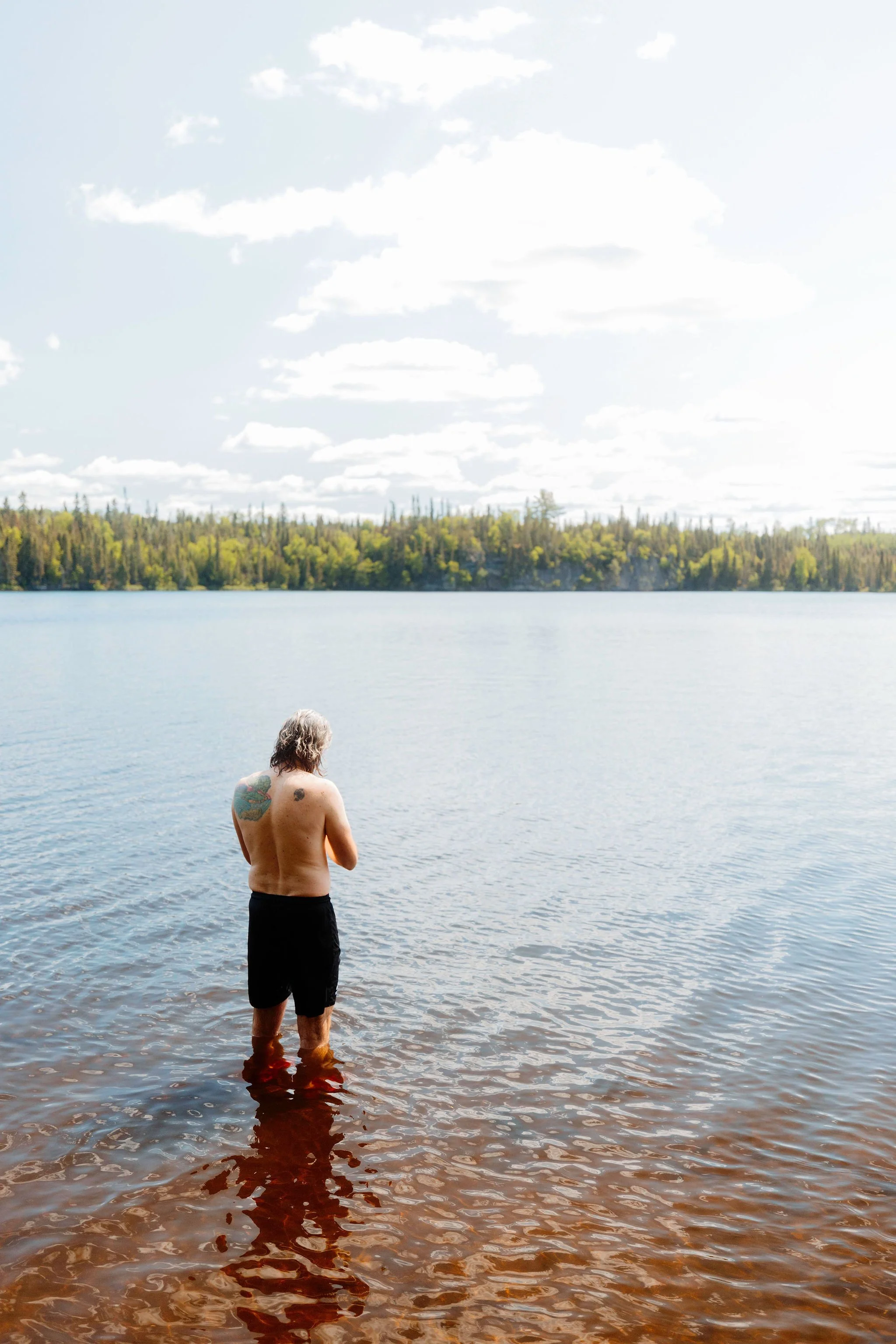
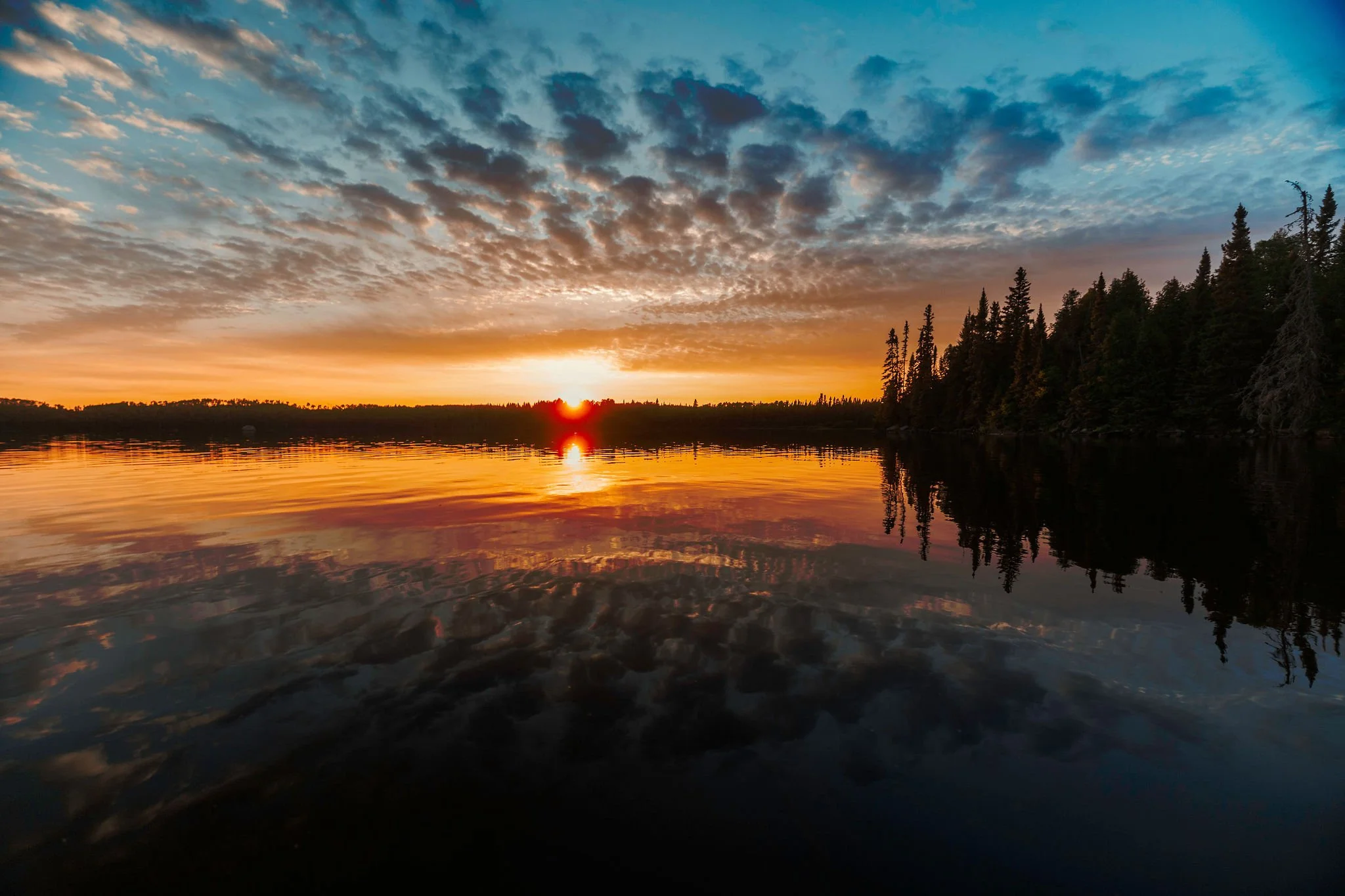
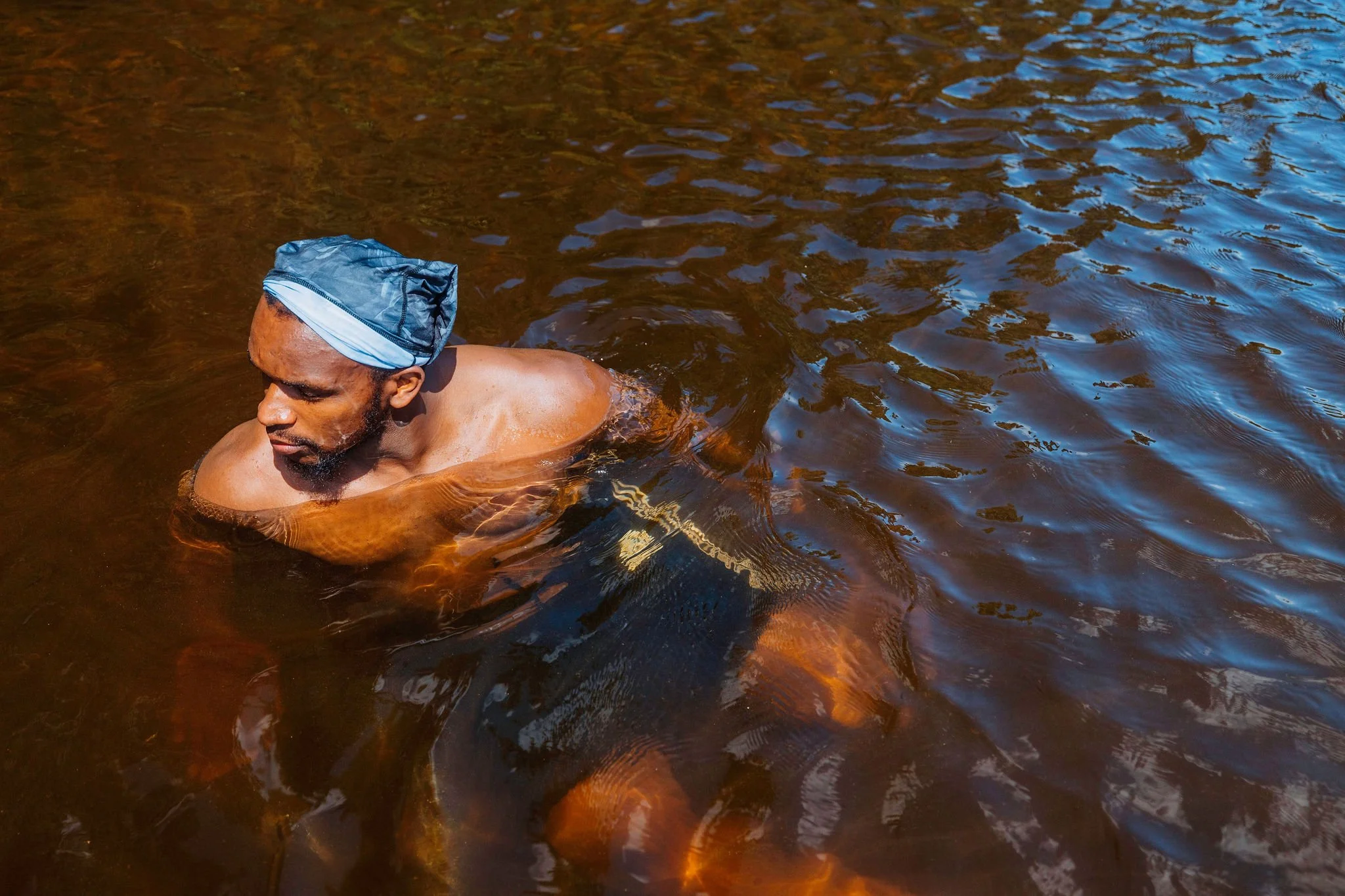
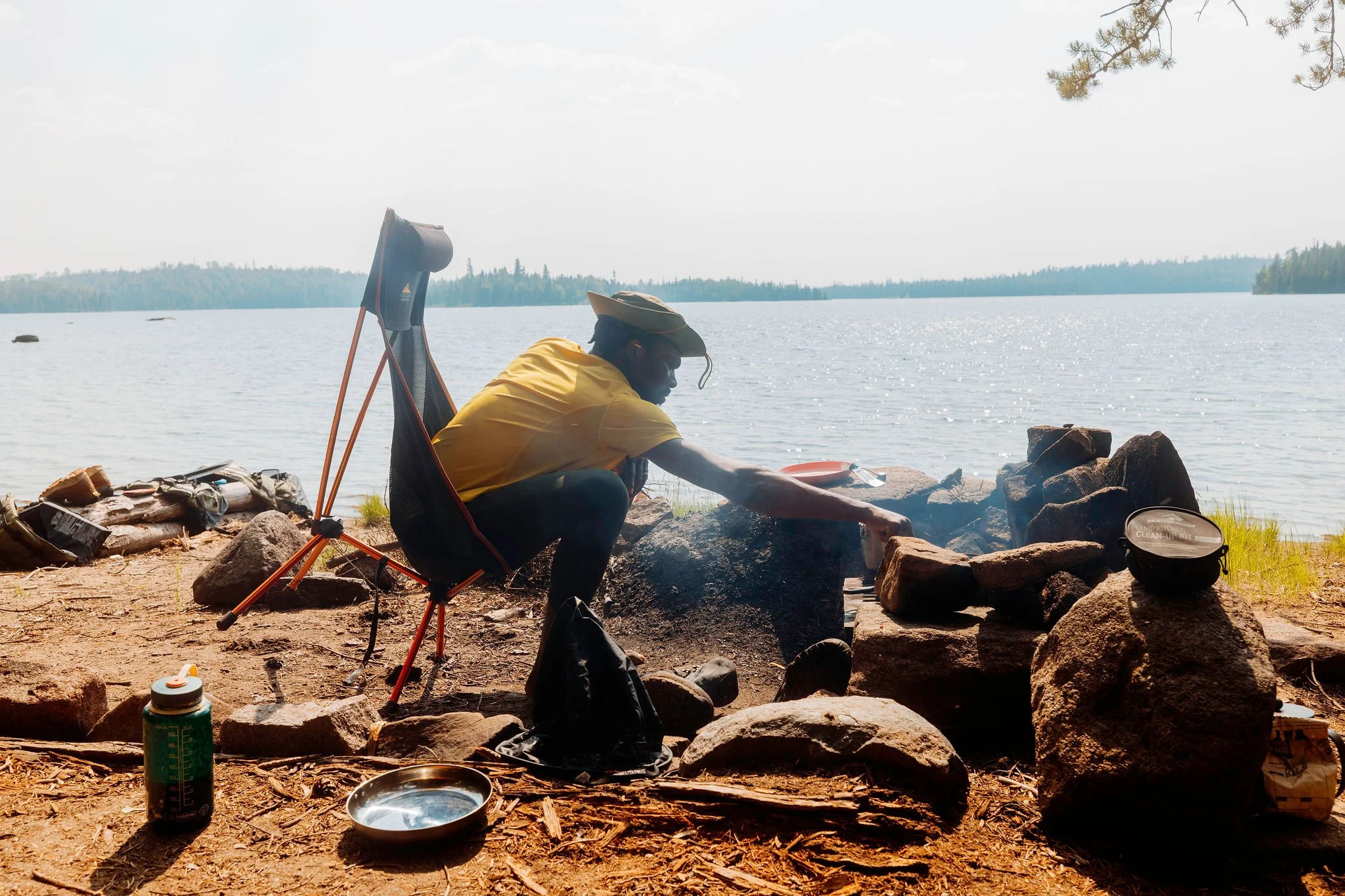
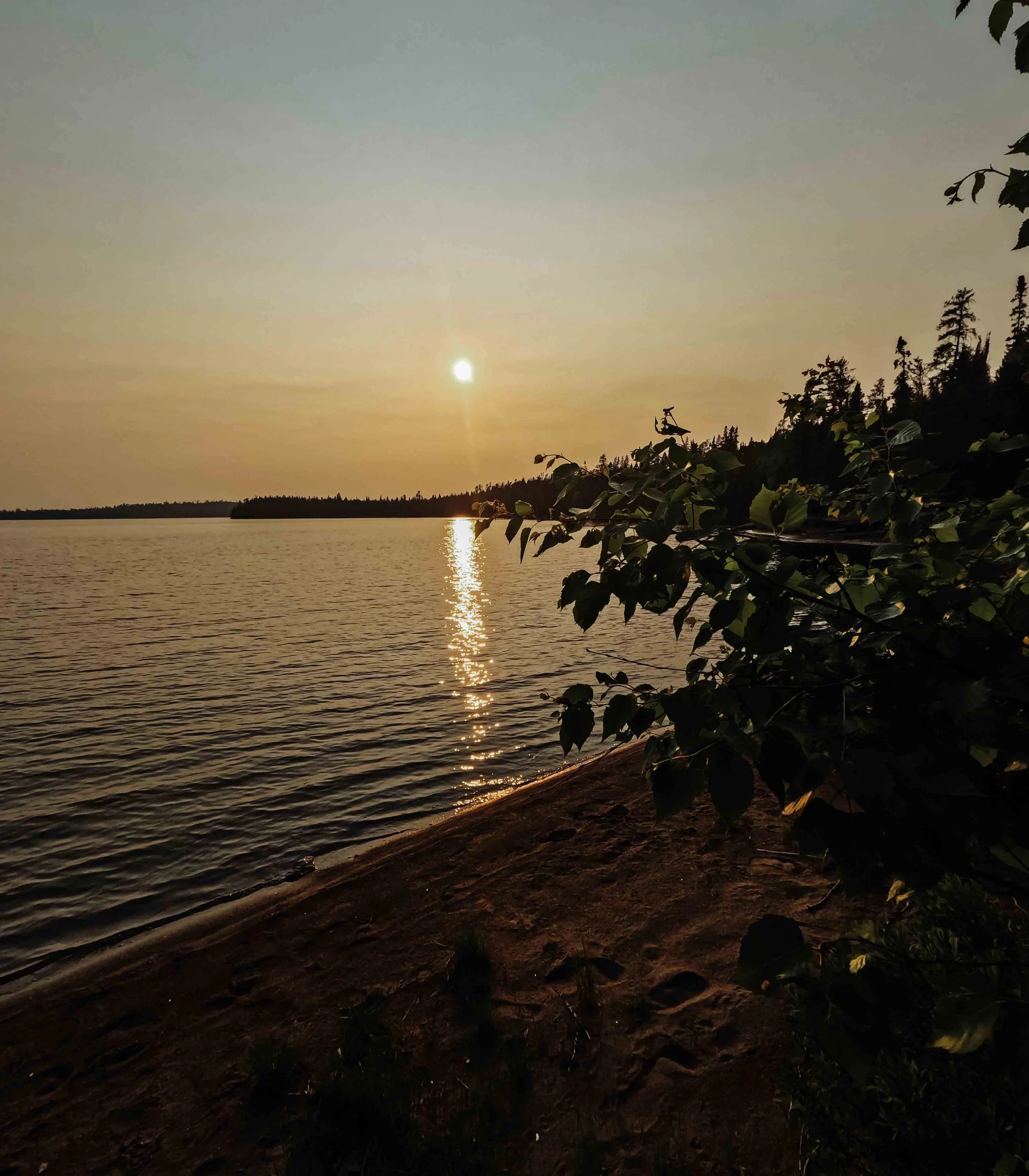
We swam in the afternoon. Watched the sunset from the shore. Didn't move from that spot until we had to.
“That campsite on Frost Lake, watching the sun go down over the water — that's the one I keep coming back to.”
Frost Lake · BWCA · Northern Minnesota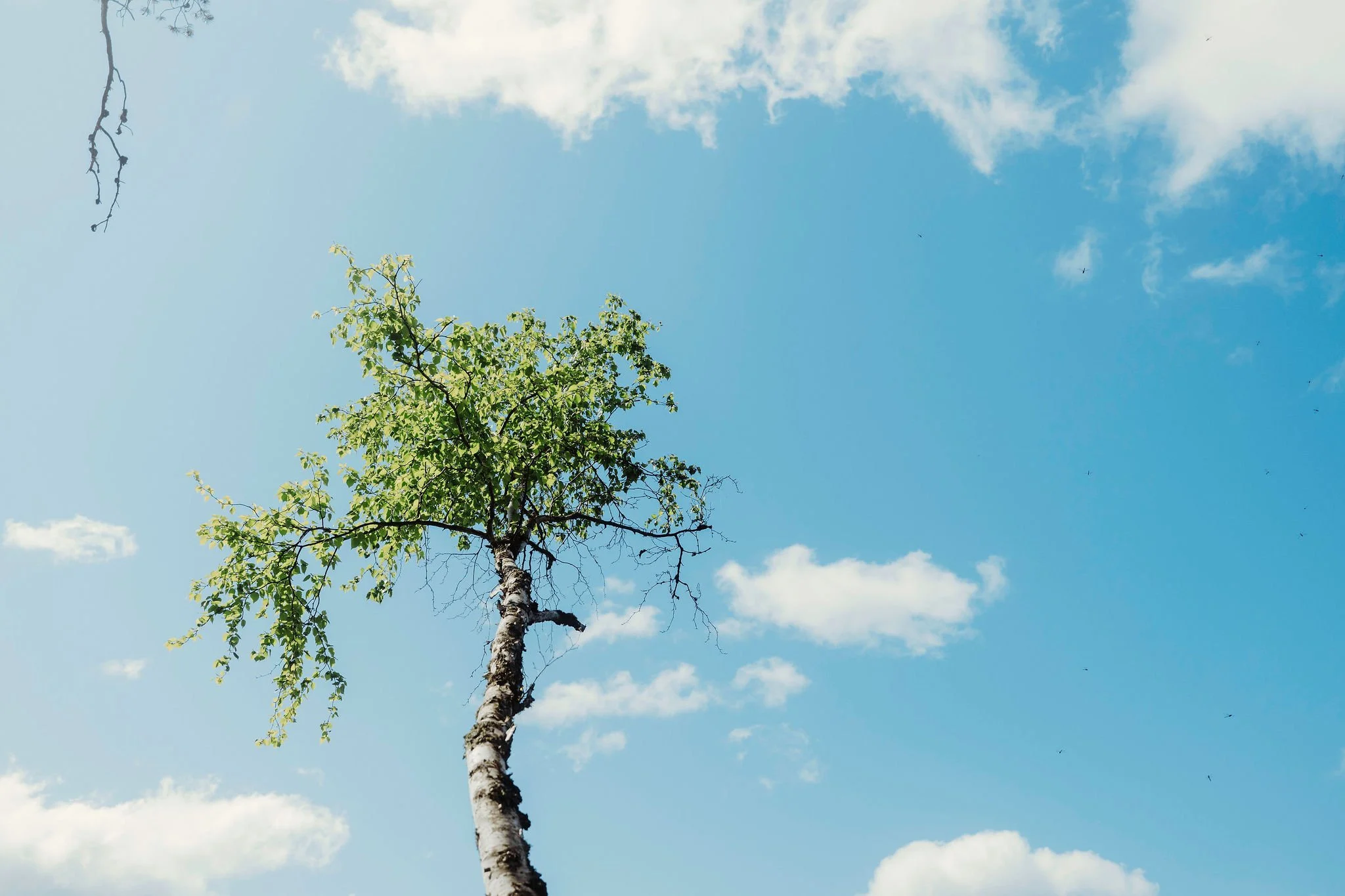
Day 3
Frost River, the bear, and loons at Mora Lake
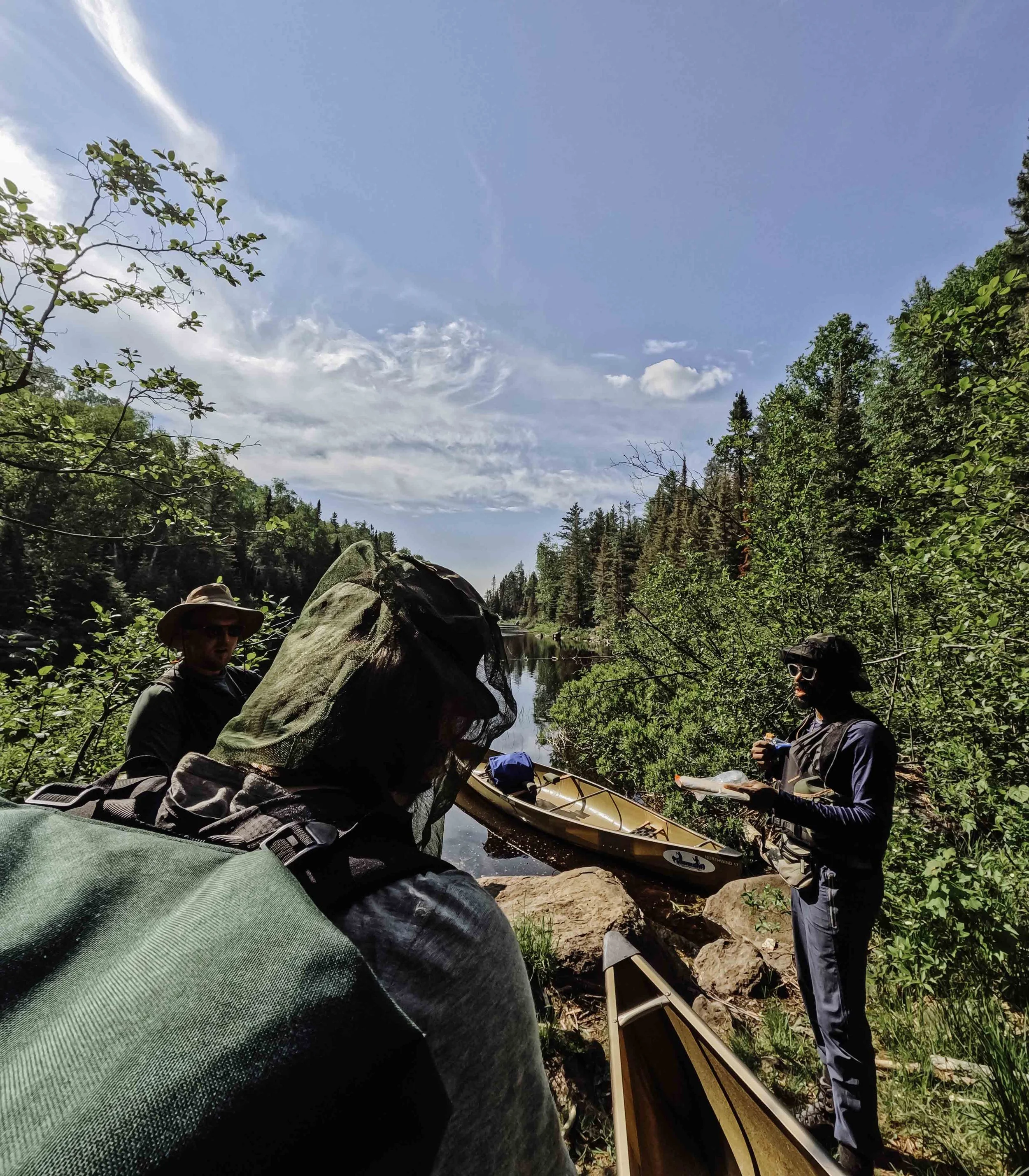
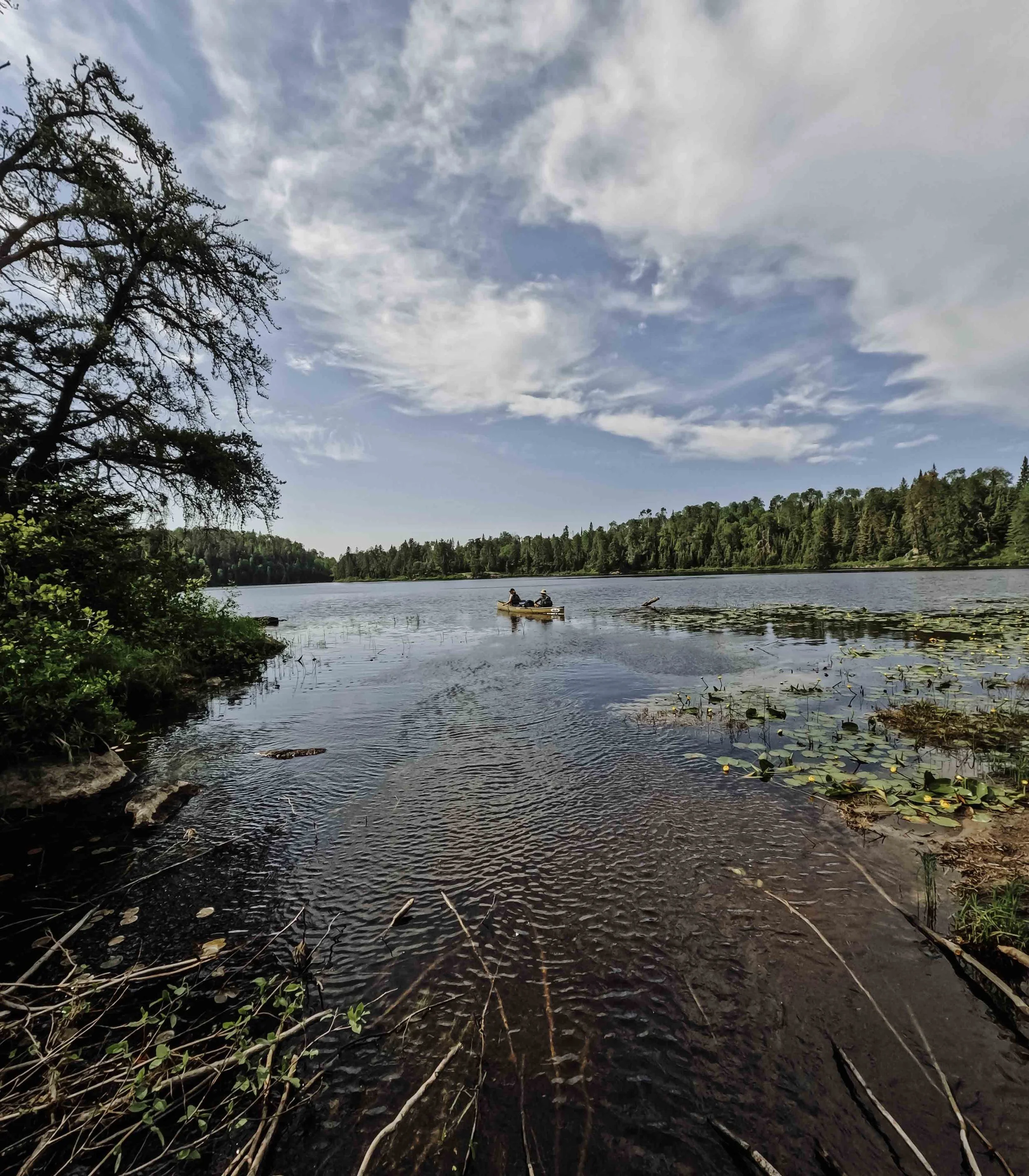
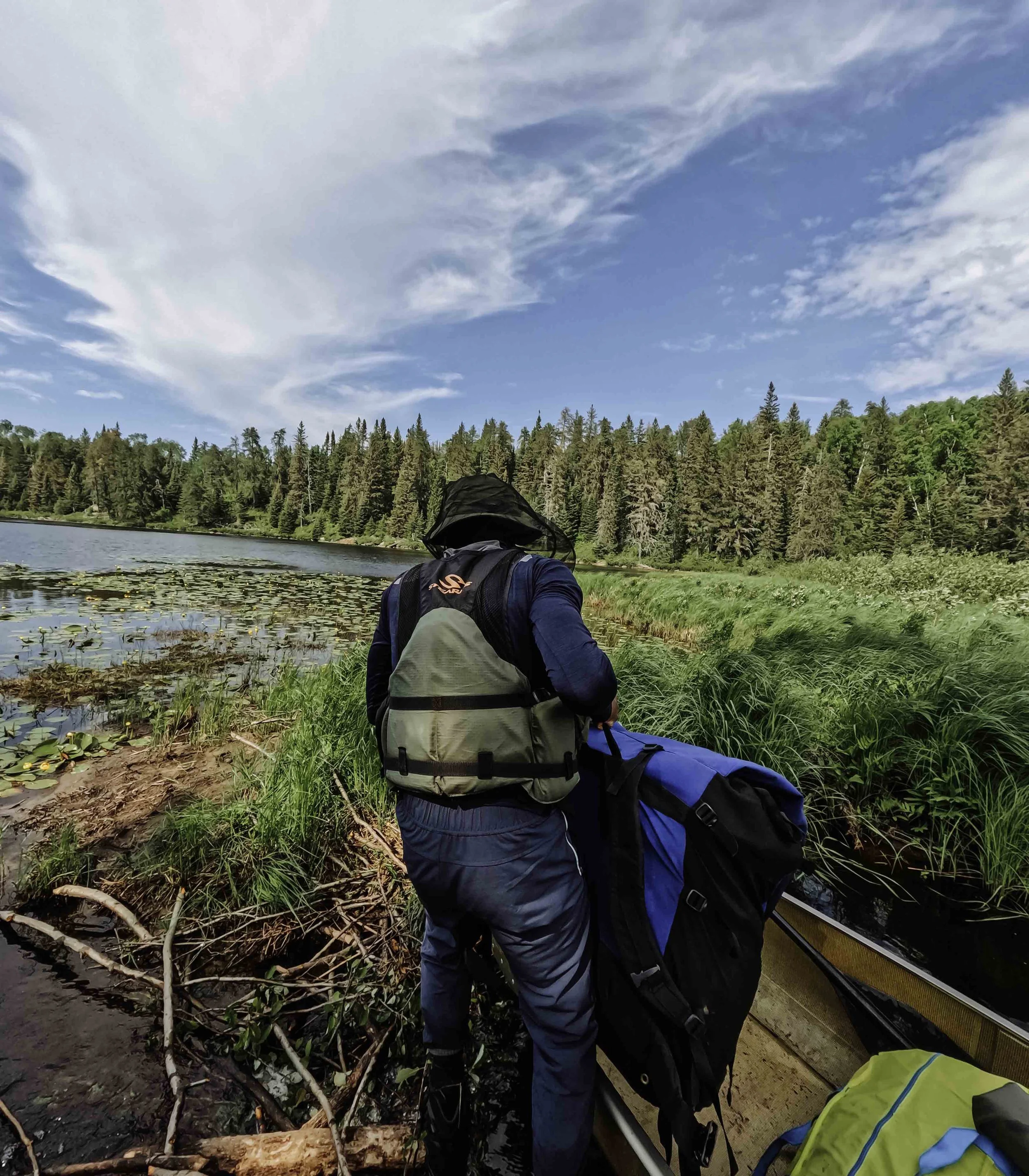
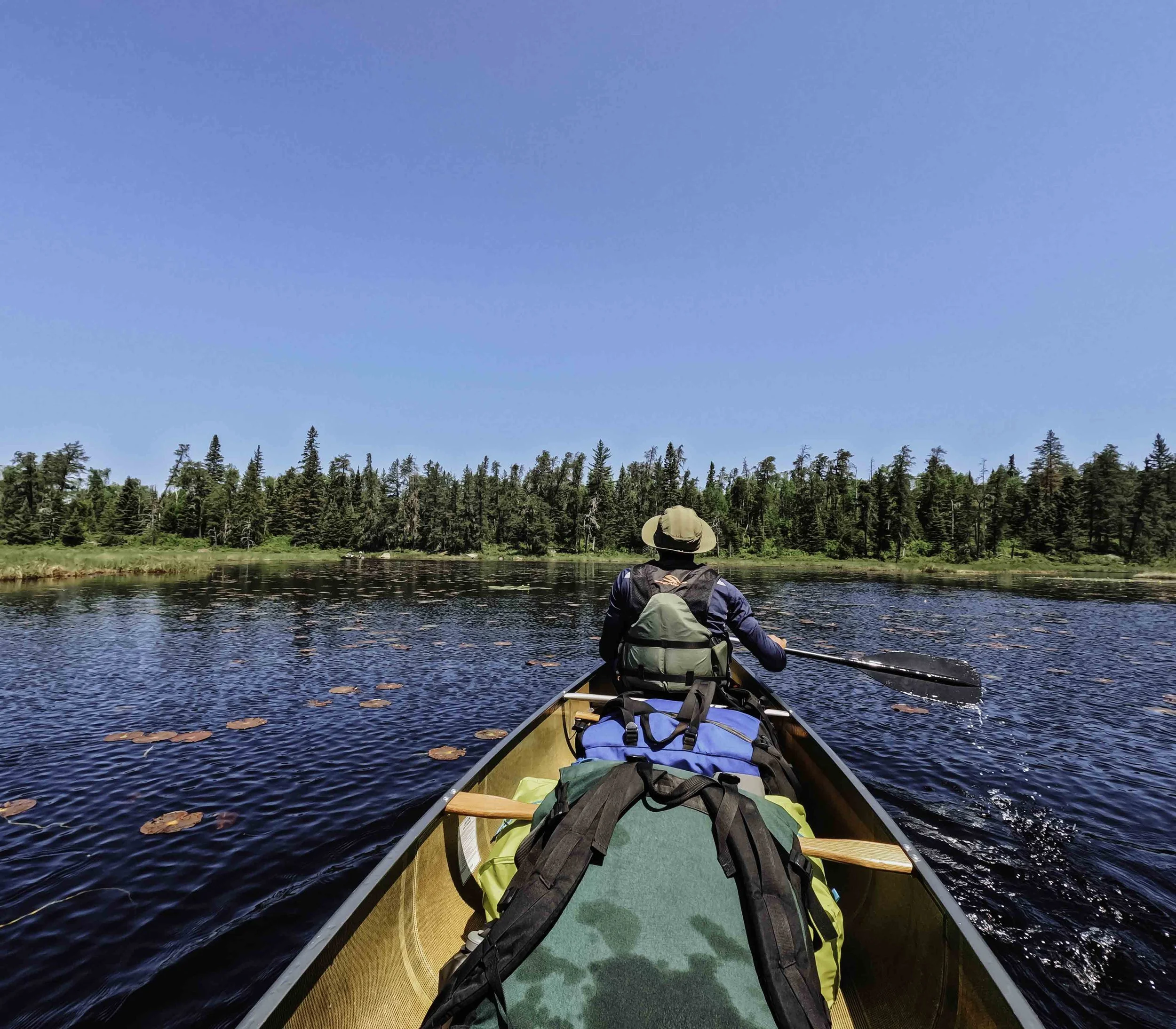
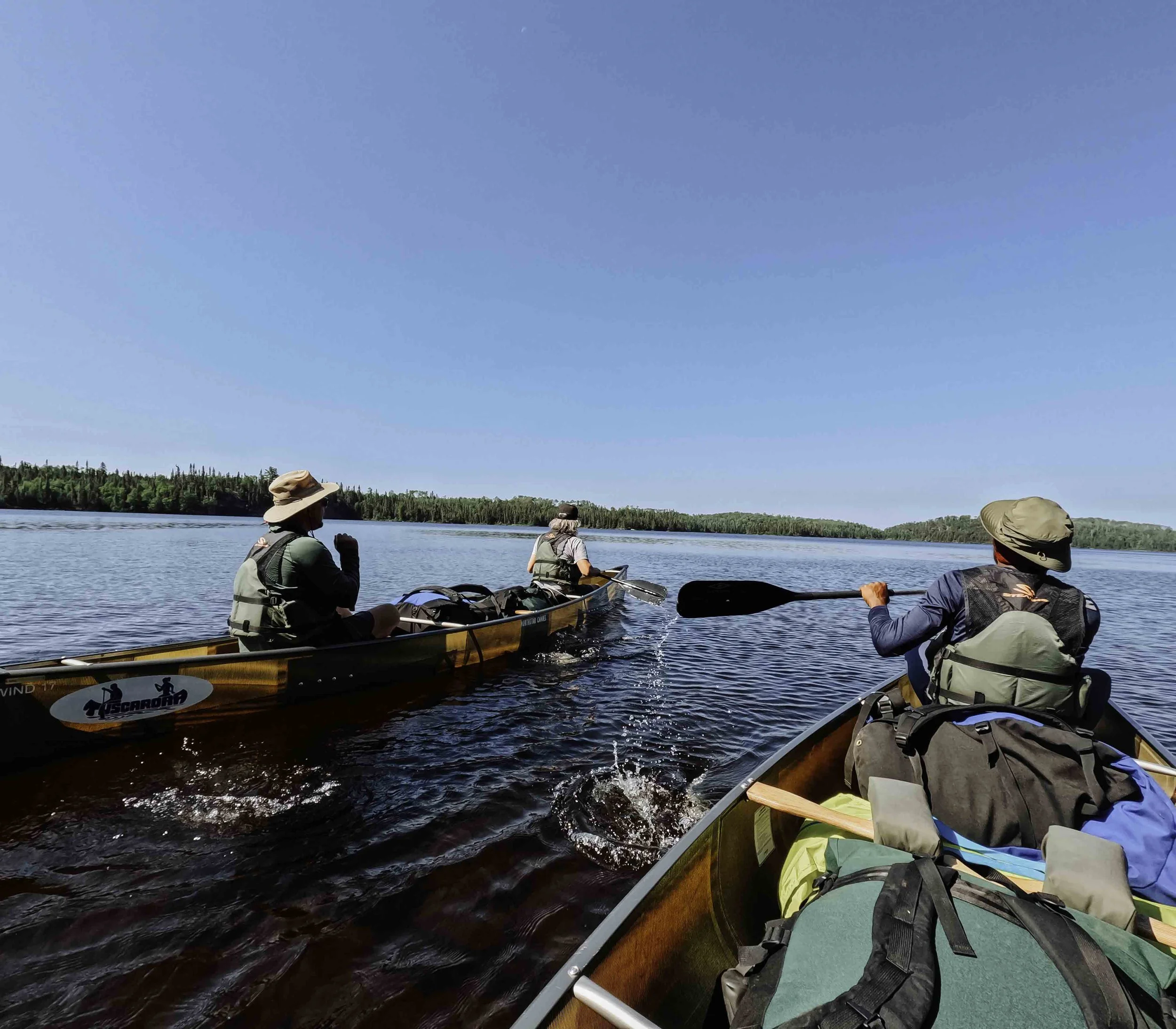
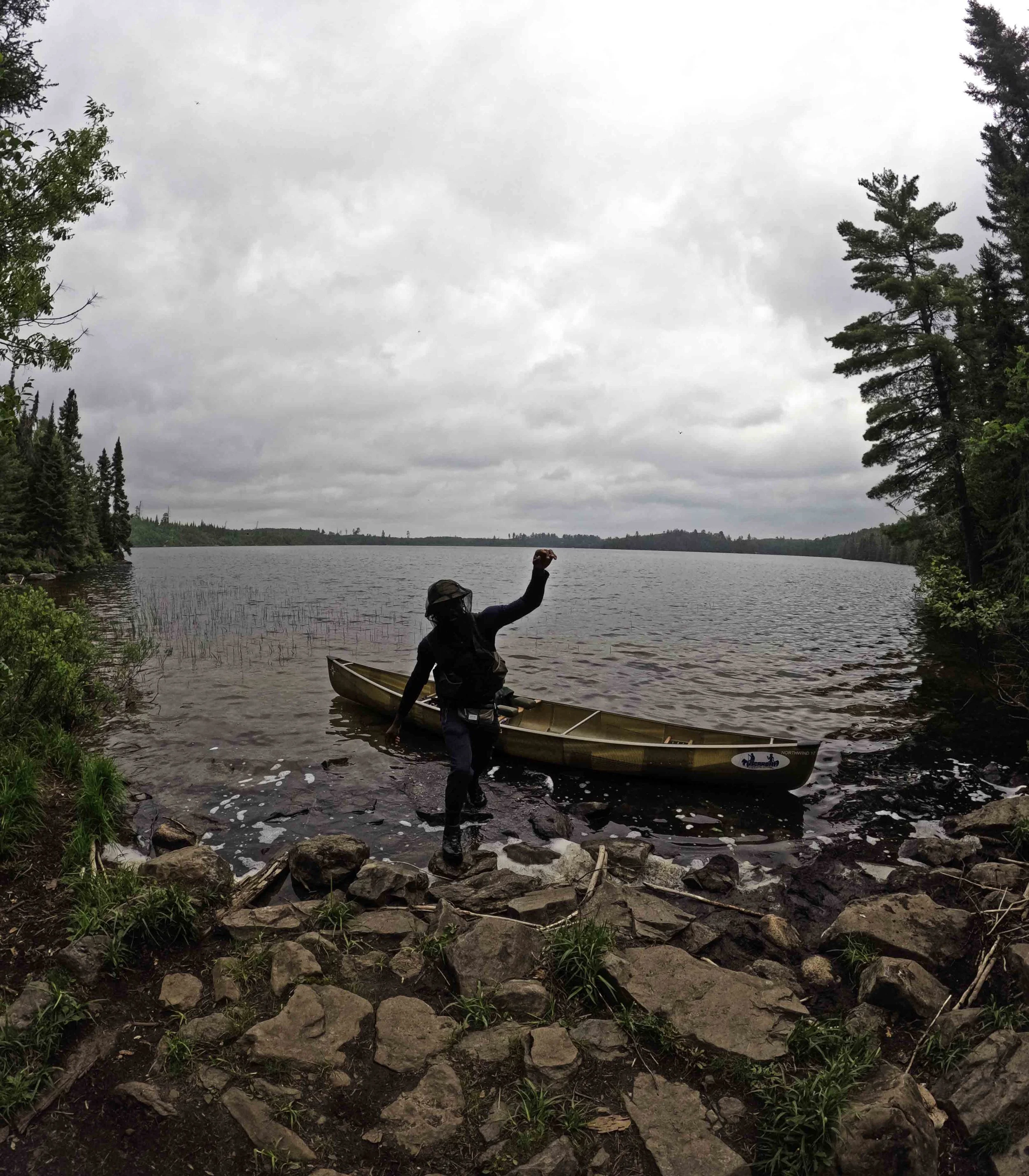
The hardest day. Mainly rivers and portages — Pencil Lake and then onto Frost River. Beavers are extraordinary engineers and Frost River is their masterwork. The narrow river snakes quietly through miles of hip-high grass, passing house after house, descending over dam after dam. We lost count somewhere after forty. The Kevlar canoes earned every scratch.
There is something humbling about watching nature's engineering up close like that. Every dam is a deliberate act of construction — and we were the ones being slowed down by it. You stop being annoyed somewhere around the twentieth dam and start just being impressed.
“The narrow river quietly snakes through miles of hip-high grass, passing beaver house after beaver house, descending over dam after dam. Nature at its best.”
Frost River · BWCA · Northern MinnesotaWhipped Lake gave us something none of us were ready for. A baby black bear swam across the lake ahead of us — quickly, powerfully, disappearing into the treeline on the exact side of the portage we were heading into. If you see a baby bear, you know the mama is close. One thought: stay quiet, move fast, get off that island. We did. No one said much until we were well clear.
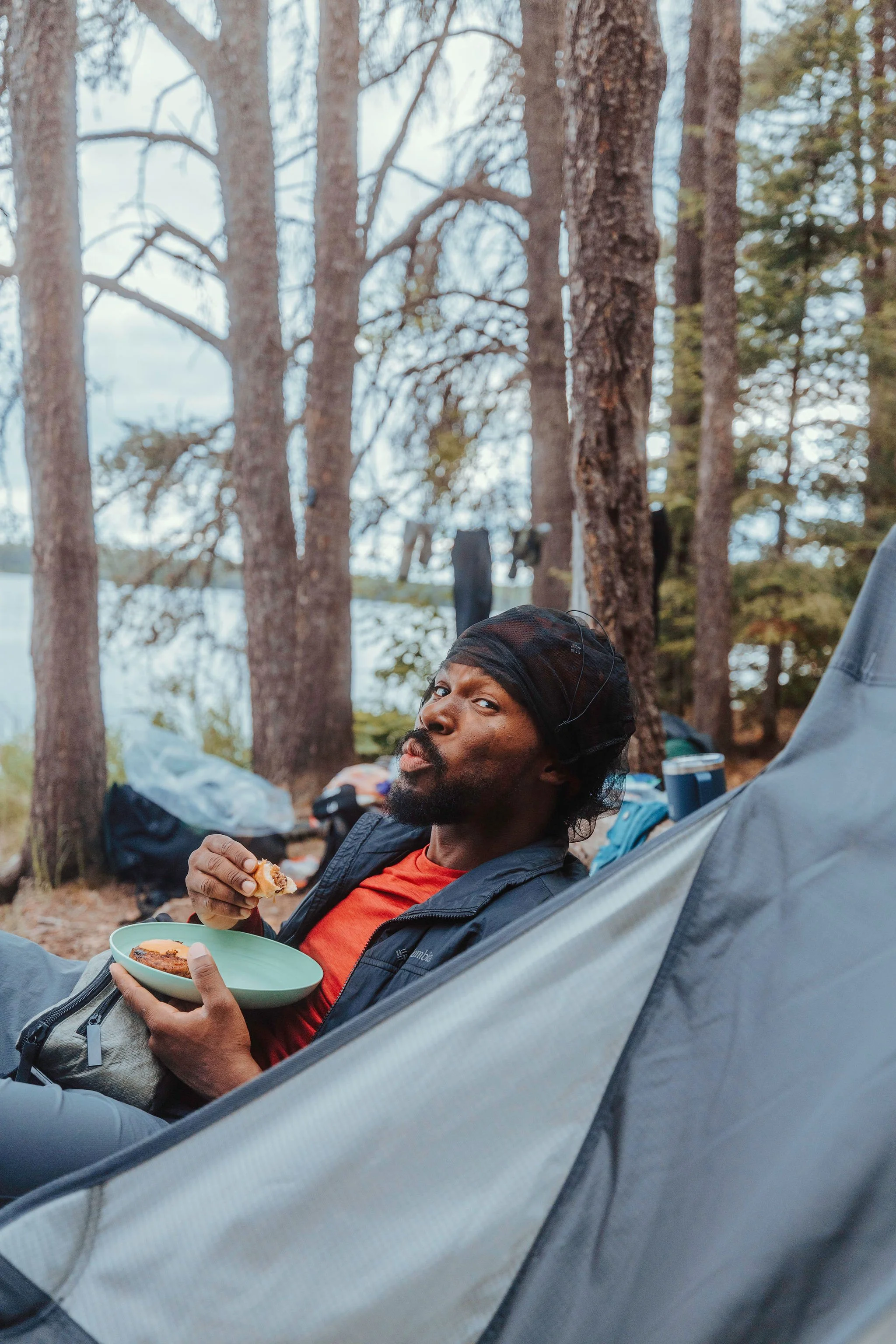
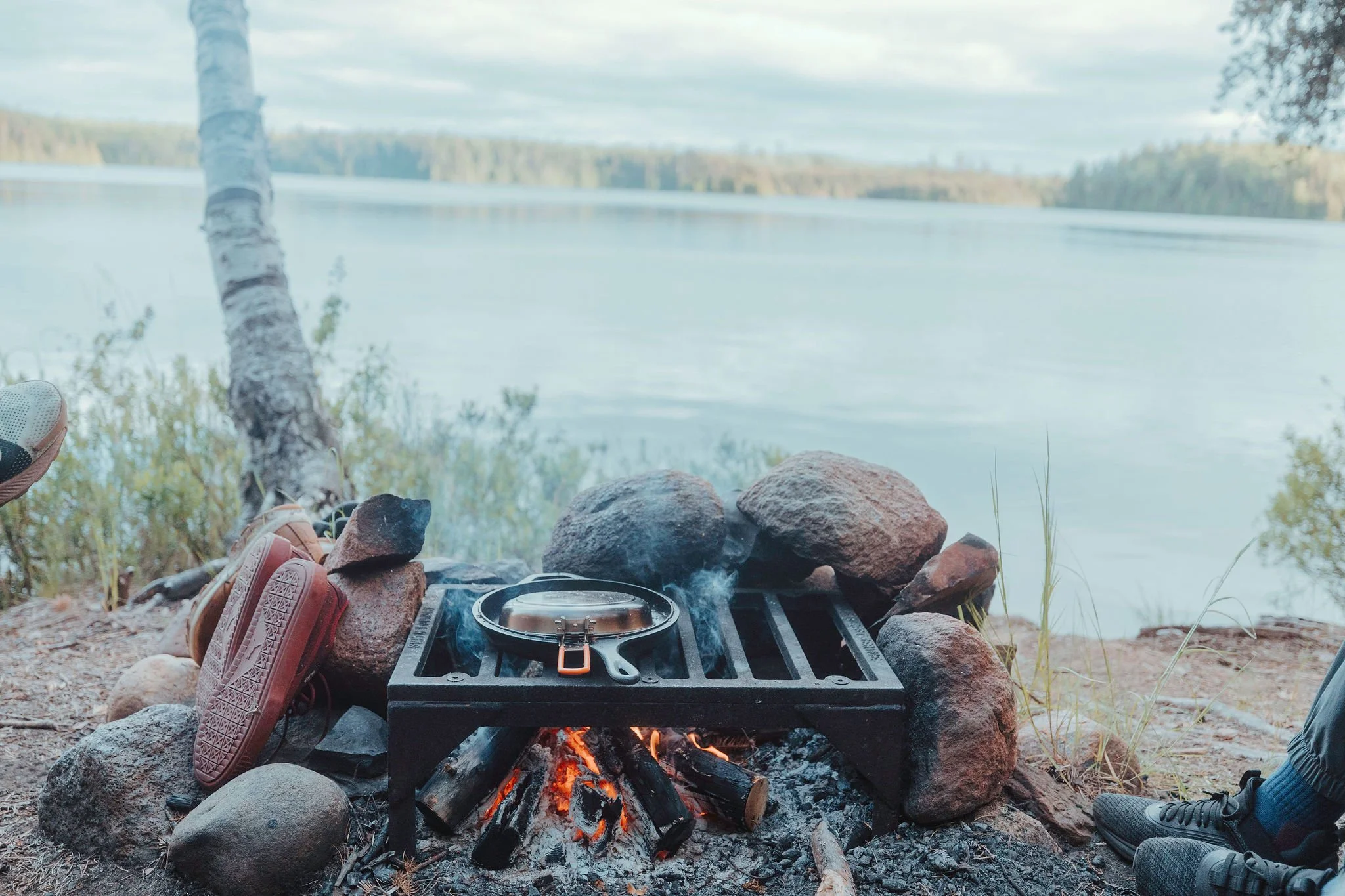
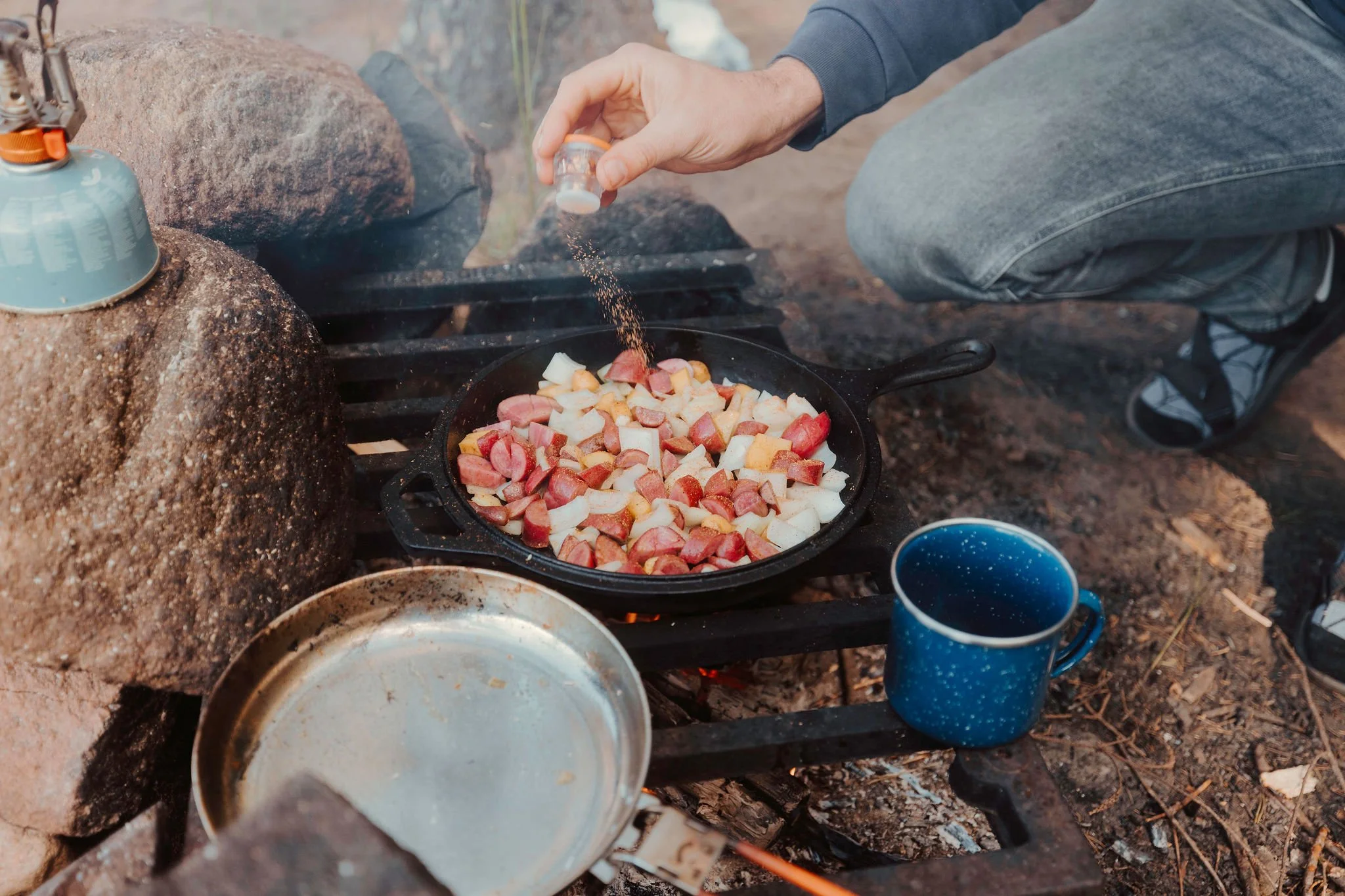
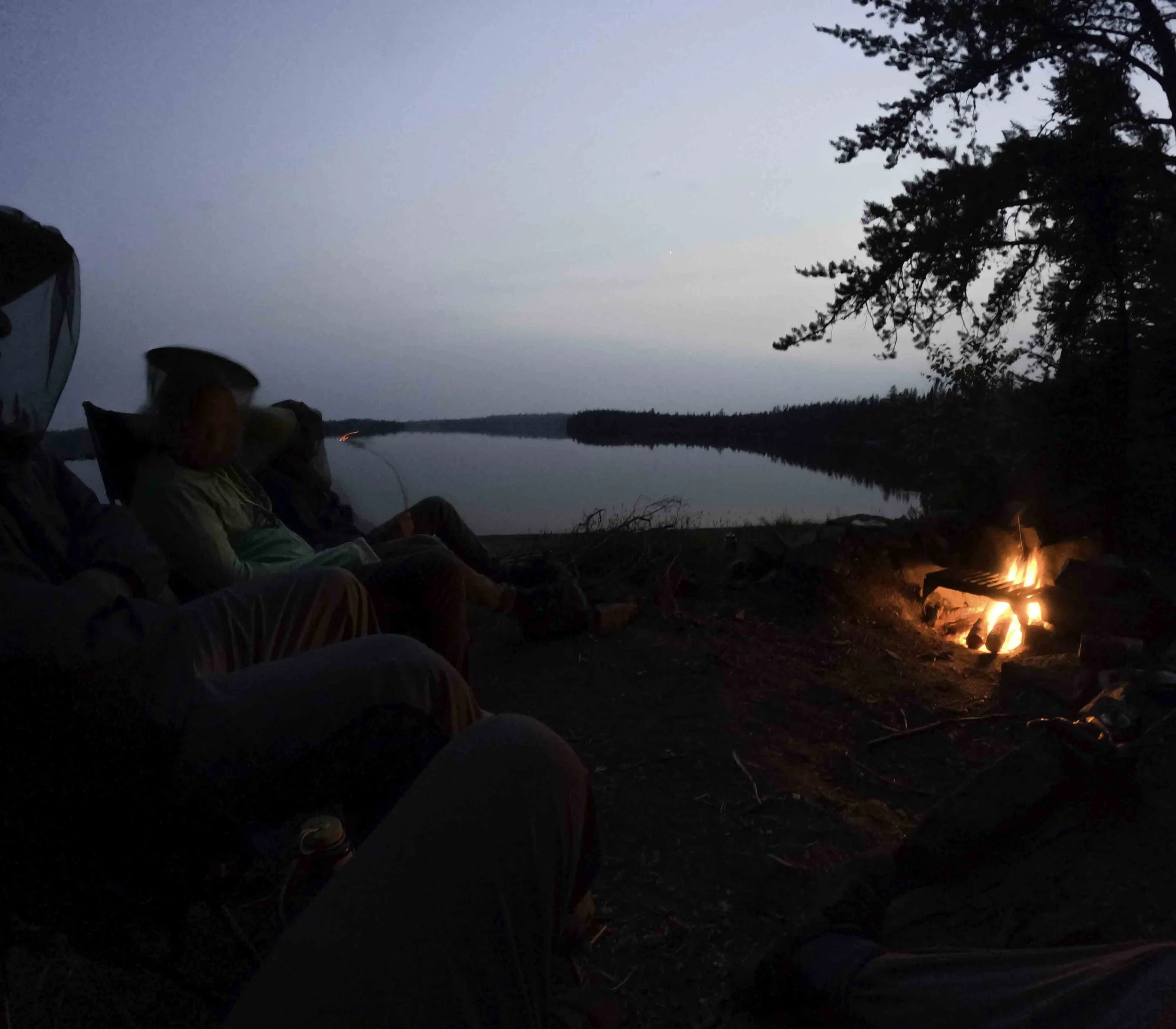
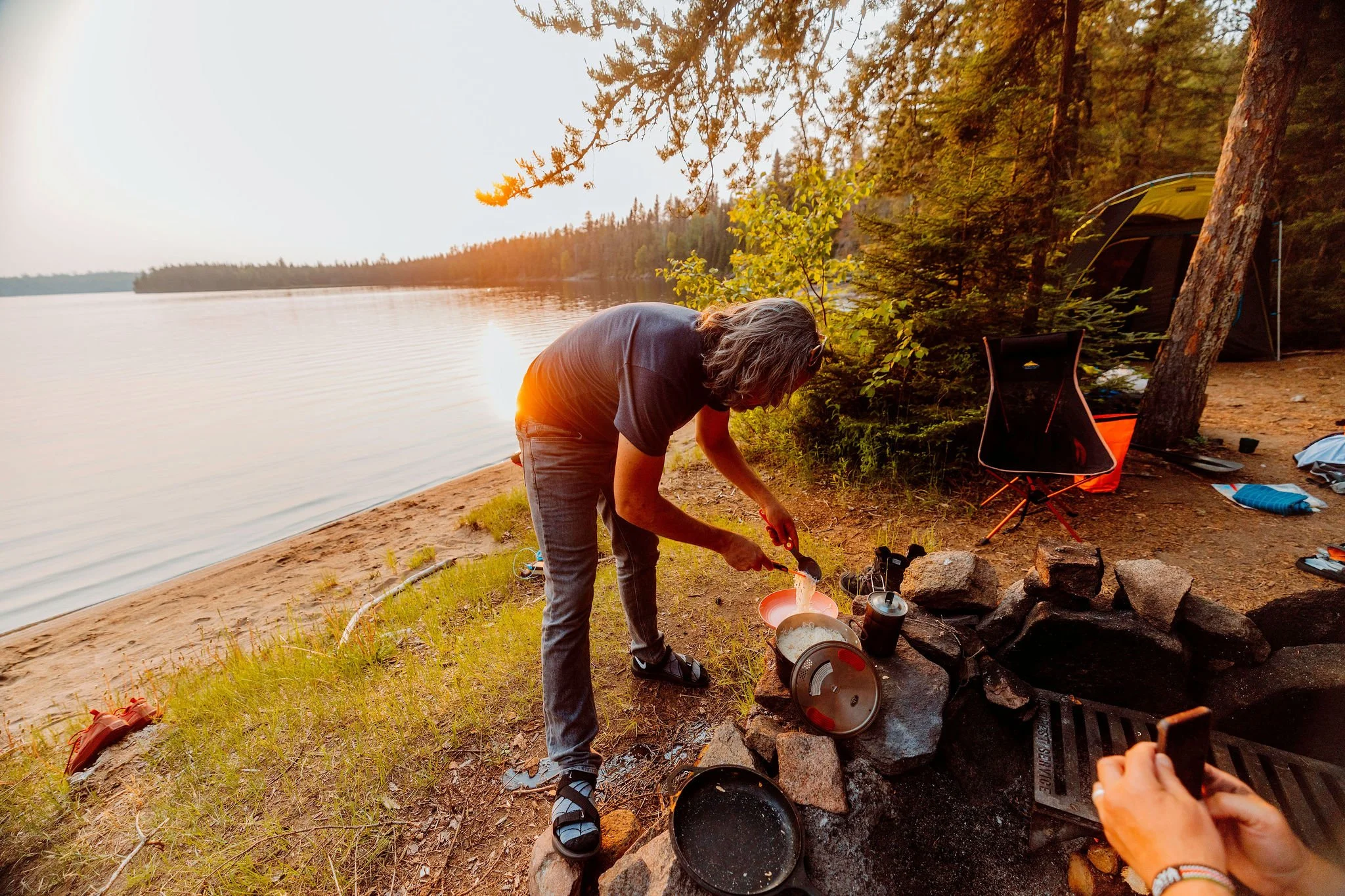
We made camp at Mora Lake as the day finally gave out. The site was right on the water and we were completely surrounded by Minnesota loons — the sound of them carrying across the lake in the dark is something you don't forget. Dinner was beans, onions, sweet potatoes, and lettuce. We sat by the fire and went back through every moment of the day until there was nothing left to say.
Day 4
Crooked Lake, Tuscarora Lake, and a wildfire sky
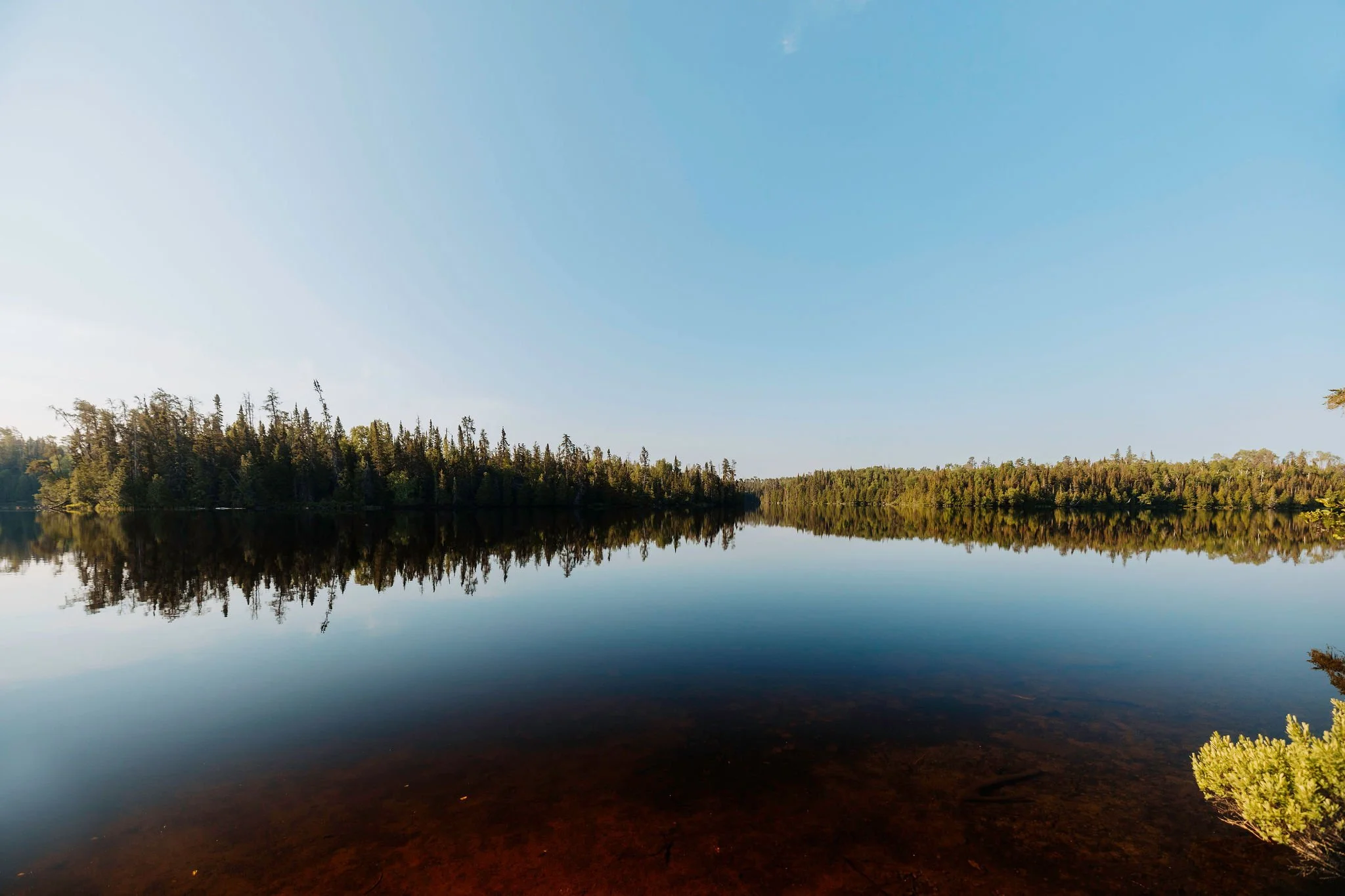
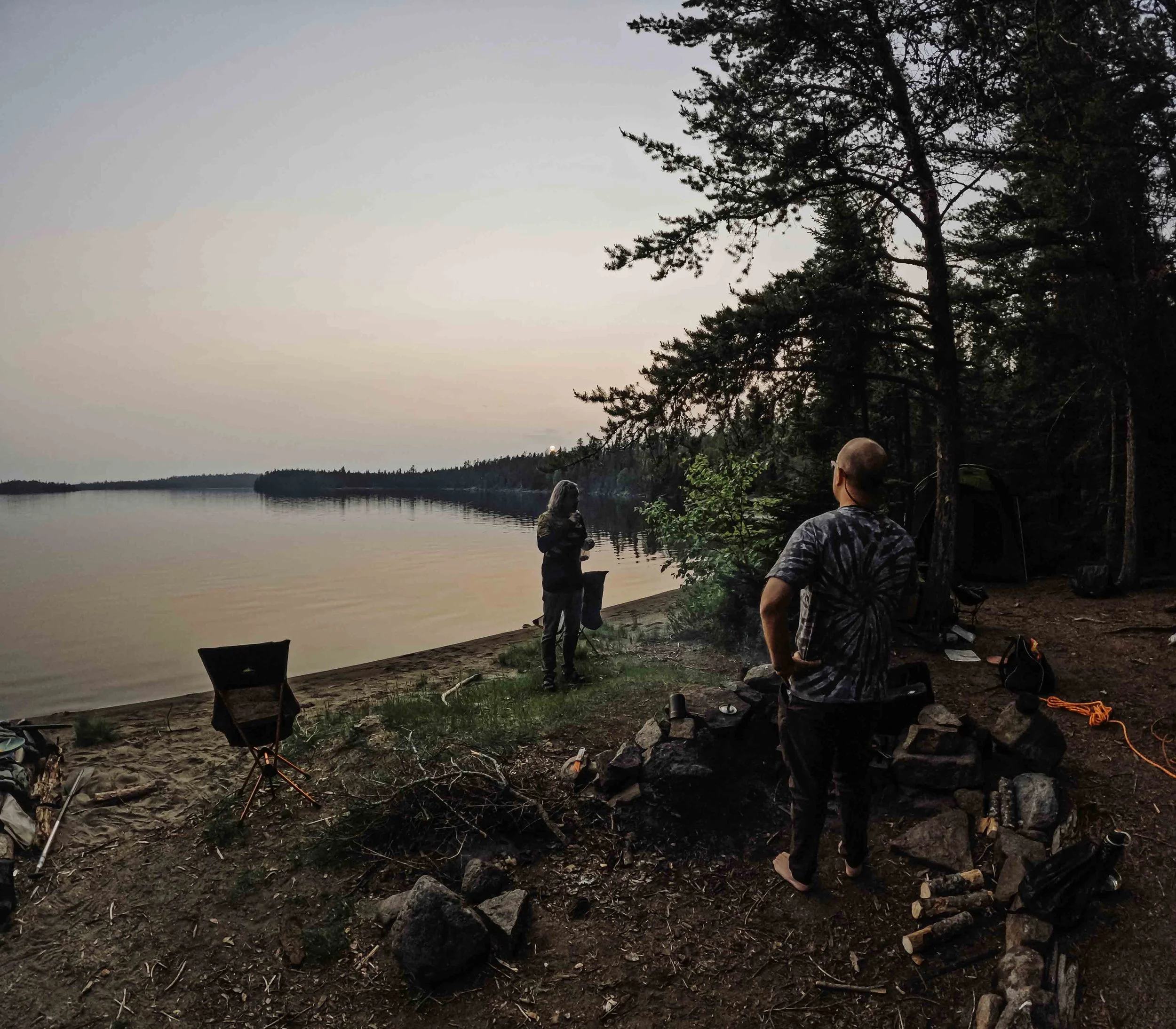
We moved through Crooked Lake and reached our campsite at Tuscarora Lake by around 1pm — early enough to actually stop and breathe. The afternoon was calm in a way the previous day hadn't allowed. We made pancakes at 3pm and earned every single one of them.
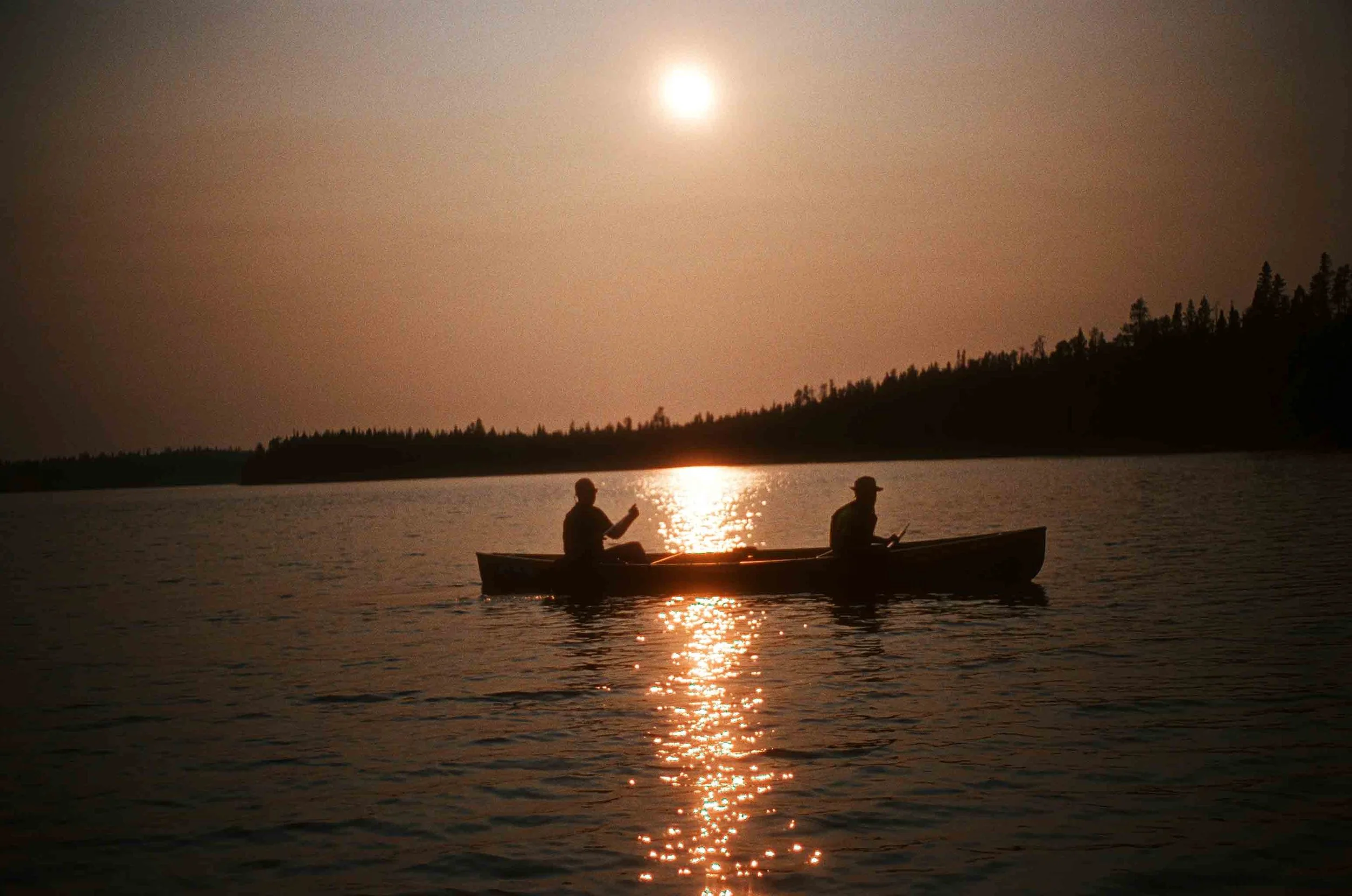
That evening the wildfire smoke moved in and turned the sky into something otherworldly — deep oranges and reds that had nothing to do with a normal sunset. We caught it anyway. Dinner was noodles. Nobody complained.
Last Day
Out through Round Lake, a moose, and Grand Marais
We packed up, paddled out through Boca, and finished on Round Lake — which brought us right back to Tuscarora Lodge and the car. The drive out of Boca gave us one final gift: a moose by the road, unhurried and enormous, completely unbothered by us. The perfect ending.
We stopped for food in Grand Marais at The Fisherman's Daughter at Dockside Fish Market. The meal was much needed. The kind of meal that tastes better because of everything you did to get to it.
Reflection
A new frontier, and it belongs to us too
There is something that needs to be said about what this trip meant for me and Daniel specifically. You don't often see African or African American people in the Boundary Waters. That absence is real, and we both felt it — not as exclusion, but as an opening. A new frontier. A reminder that these wild places belong to all of us, that the beauty of the BWCA is not reserved, that we have every right to be paddling Frost River at dusk, watching a beaver work, listening to nothing but loons.
The bugs were intense. The portages were hard on the body. Day 3 humbled us. And I would go back tomorrow.
The Boundary Waters Canoe Area Wilderness is one of the most visited wilderness areas in the United States and one of the most ecologically significant freshwater ecosystems on the continent. Over 1,000 lakes and streams, designated Wilderness under the 1964 Wilderness Act — no motors, no permanent structures, no extraction.
Allowing sulfide-ore copper mining in the surrounding watershed would be an irreversible mistake. Sulfide mining produces sulfuric acid when ore meets air and water — a process that cannot be fully contained and that would devastate the interconnected lake and river system that makes the BWCA what it is. Support Save the Boundary Waters and keep this place as it is.
What remained, and what stays
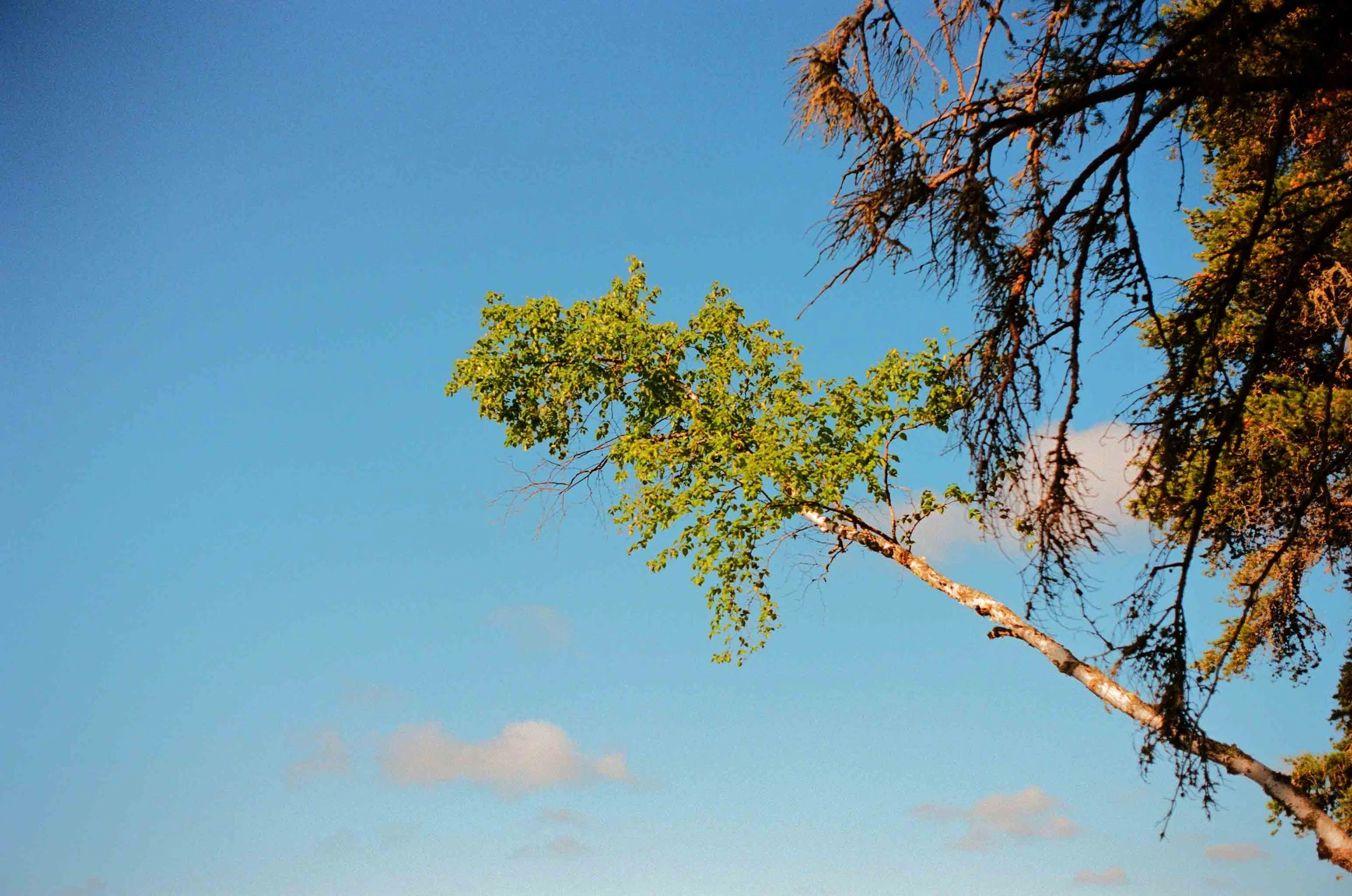
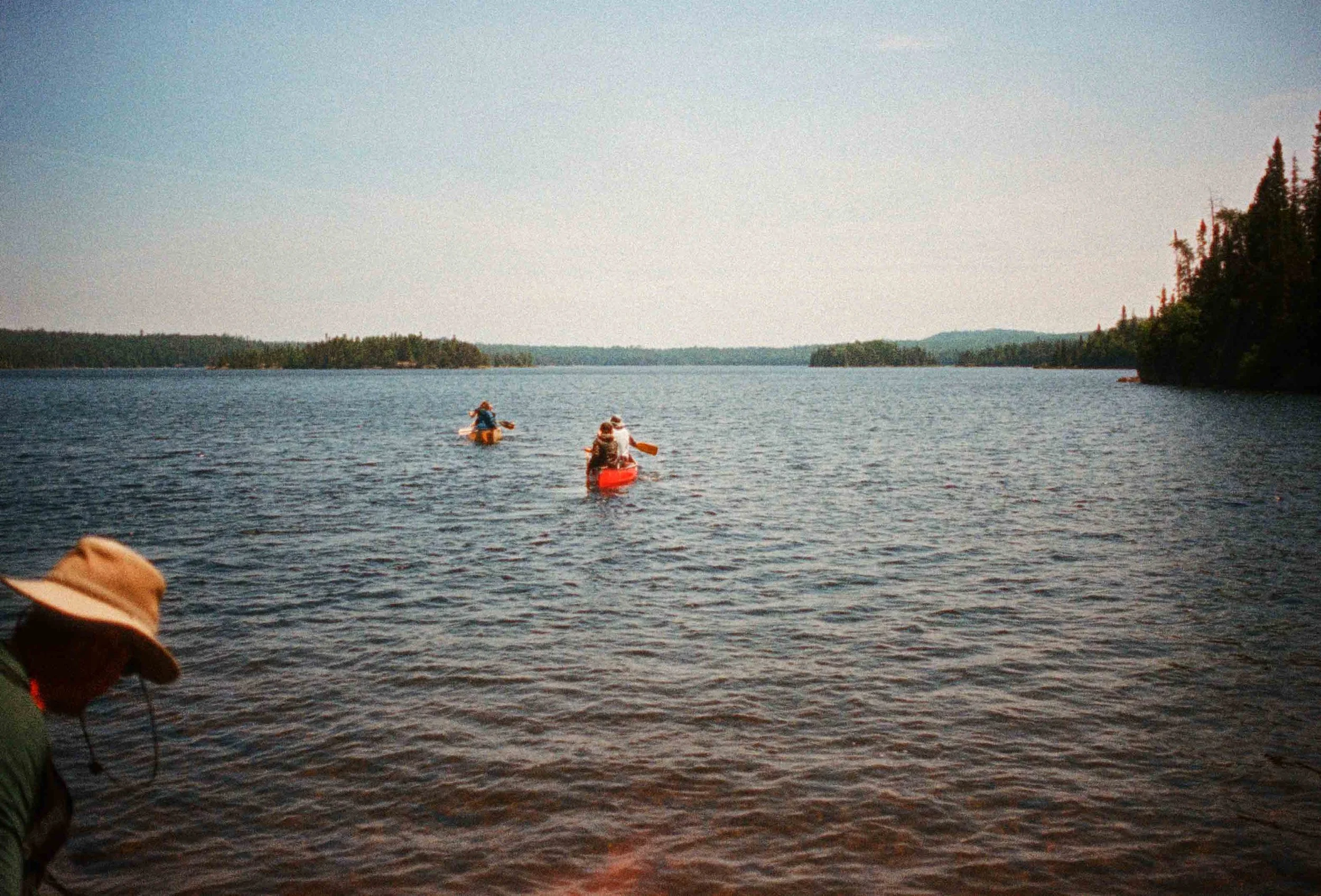
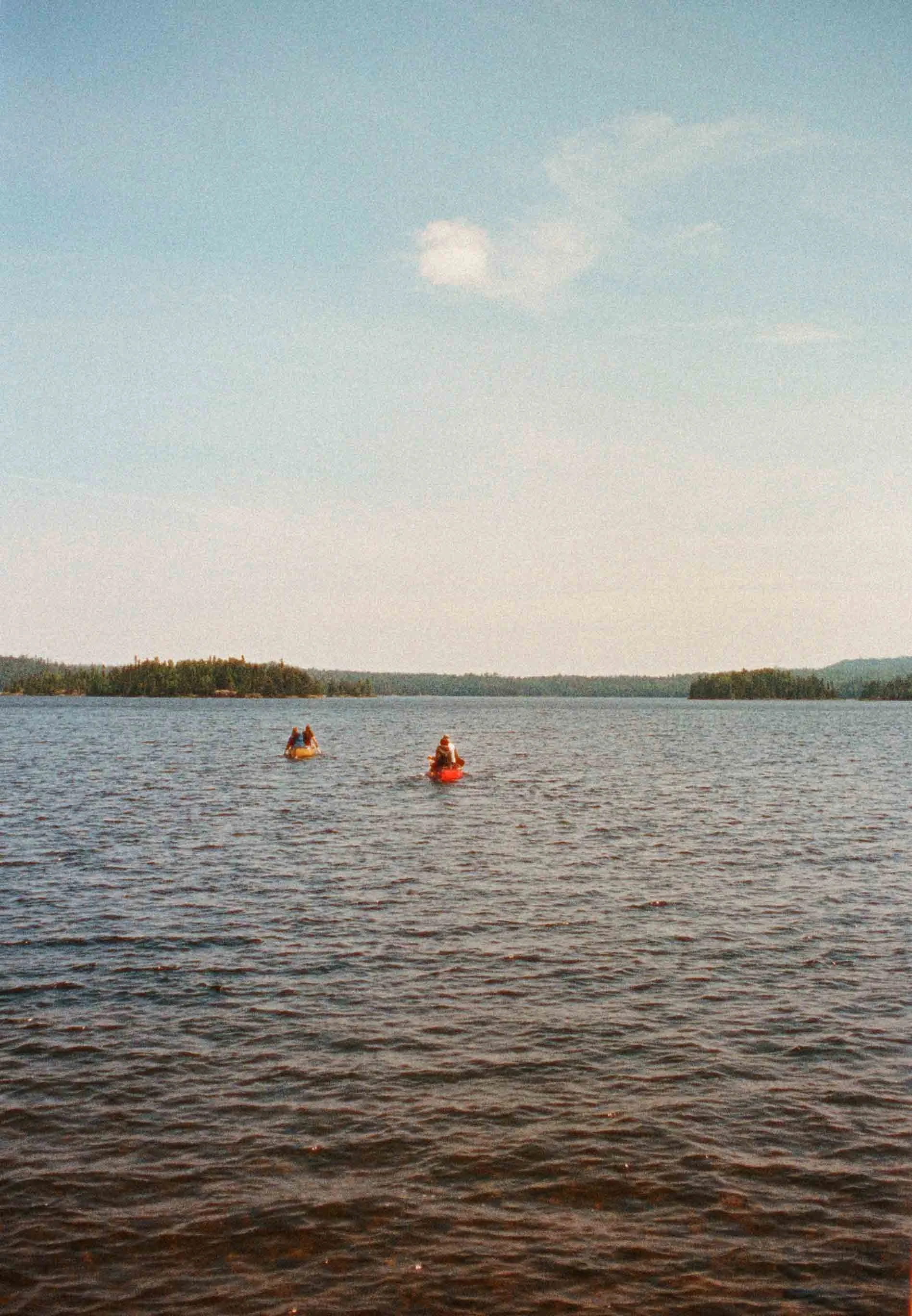
Shot across five days on both 35mm film and digital, from Tuscarora Lodge out through Long Island Lake, Frost Lake, Frost River, Mora Lake, Crooked Lake, Tuscarora Lake, and back out through Round Lake. The film has a quality that suits the BWCA, grain that feels right for a place without electricity, without roads, without anything that wasn't there a hundred years ago.
I went as someone who had always wanted to go. I came back as someone who will go again. Daniel too. And next time we'll know about the beaver dams, the loons at Mora Lake, and exactly what to order at The Fisherman's Daughter in Grand Marais.
About the Boundary Waters Canoe Area Wilderness
The BWCA is a 1.1-million-acre wilderness in Minnesota's Superior National Forest, containing over 1,000 lakes and streams along the Canadian border. It is the most visited wilderness area in the United States, designated under the 1964 Wilderness Act.
The Tuscarora Lodge route
This trip launched from Tuscarora Lodge and covered Long Island Lake, Frost Lake, Pencil Lake, Frost River, Whipped Lake, Mora Lake, Crooked Lake, Tuscarora Lake, and Round Lake. The hardest stretch was Frost River, a narrow tamarack bog river that descends over an extraordinary density of beaver dams. A baby black bear crossing Whipped Lake and the portage that immediately followed was among the most memorable wildlife encounters of the route.
More landscape and wilderness work
The full landscape portfolio includes the North Shore of Lake Superior and the Twin Cities. Travel and analog film work from East Africa is in the Film & Motion section.